In brief
When is the best time to visit the Caribbean?
December to April is the classic dry, busy, expensive high season, and September and October are the peak of Atlantic hurricane season, but every other month offers a distinct trade-off of weather, festivals, crowds and price. May and June, and late November, are the region's best-kept value windows.
Two seasons is the wrong map
Ask when to visit the Caribbean and you will usually get two answers: high season, when it is dry and expensive, and hurricane season, when it is not. Both are true and both are blunt. In reality the region runs on a dozen different months, and the differences between May and October, or between January and March, matter more to most travellers than the line between the two supposed seasons.
One fact first, because it shapes everything: hurricane season runs June to November across the Atlantic basin, but the risk is heavily concentrated between mid-August and late October, and islands south of the hurricane belt, Trinidad and Tobago, Aruba, Bonaire, Curaçao, sit largely outside the main track. Modern forecasting also gives days of warning, and flexible-booking policies are now standard.
With that mapped, here is each month on its own terms.
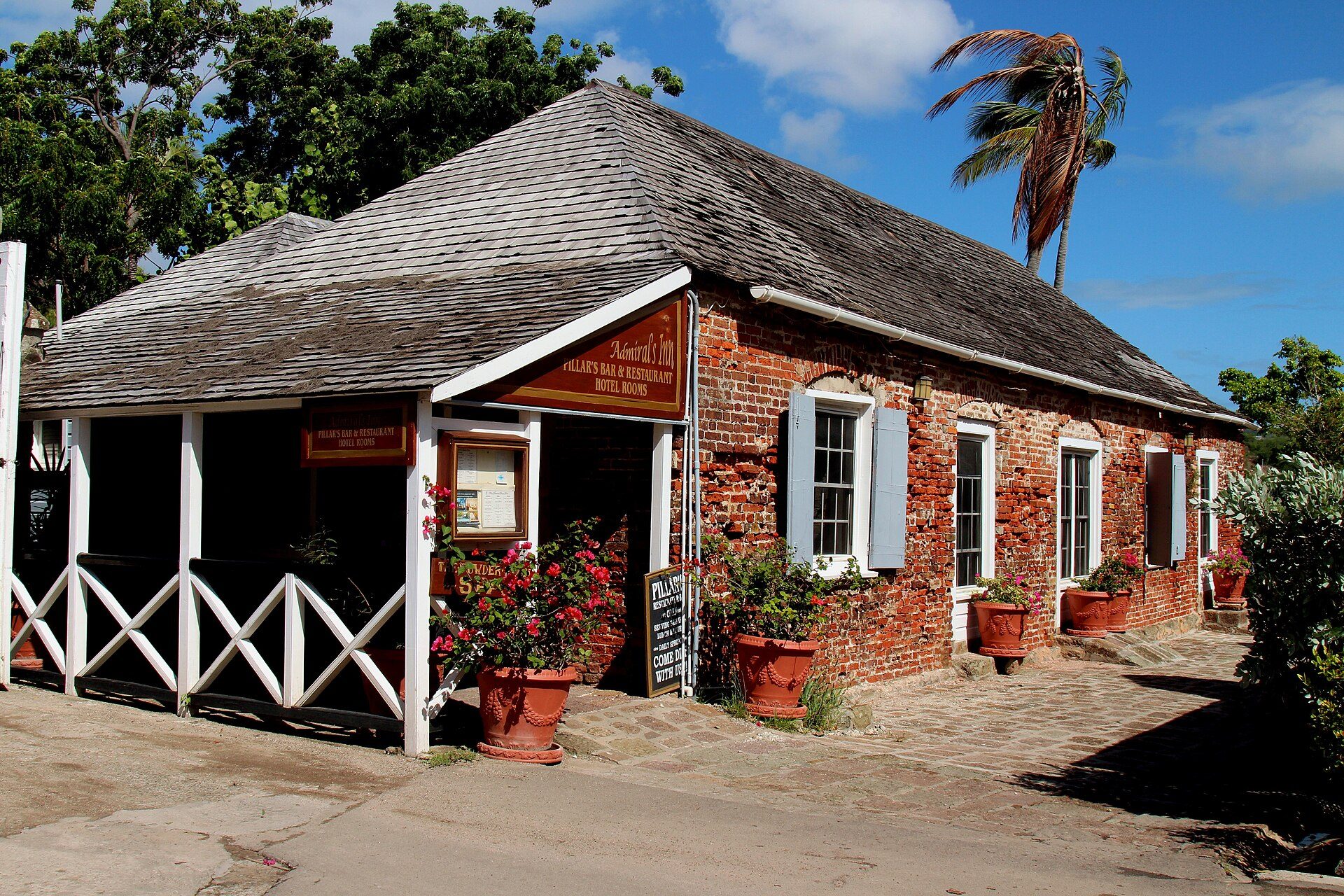
Photo: Thank You (23 Millions+) views, Wikimedia Commons, CC BY 2.0
The month by month
January, The classic: dry, fresh-traded-wind weather and the year's calmest seas, right after the holiday rush. Crowds ease in the second half of the month; prices follow. Best for: Barbados, Antigua, sailing the Grenadines.
February, Dry, breezy and buzzing. Trinidad Carnival lands in February most years (the region's biggest party, book a year out), while everywhere else is still peak-polished. Best for: Trinidad for Carnival; Saint Lucia and Turks & Caicos for beach weather at its most reliable.
March, The high season's best month: full dry weather, slightly thinner crowds as families head home. Best for: Antigua Sailing Week territory, Bequia, Anguilla. Easter can lift prices late in the month.
April, The hinge. Dry weeks give way to the first rains by month's end, crowds thin sharply after Easter, and rates fall fast. Best for: Barbados, Jamaica, the value window before the green season.
May, Green season begins, usually as short sharp showers in otherwise warm days. Seas stay calm in the south. Best for: Saint Lucia Jazz & Arts Festival, Grenada, Trinidad (outside the hurricane belt).
June, Warm, greener, quieter, with the season's first swells on eastern shores. Off-season rates and easy availability. Best for: Tobago, Grenada, dive-heavy itineraries where water clarity matters less than calm.
July, Carnival season ripens: Barbados Crop Over builds to Grand Kadooment in early August, Antigua Carnival runs late July into August. Expect heat, brief rains and rising energy. Best for: festival travellers; book far ahead for island Carnival dates.
August, Peak festival and peak hurricane vigilance together. Crop Over and Carnival bring the region's best parties; the season's weather risk is real. Book flexible rates, keep an eye on forecasts, and favour the southern islands for peace of mind.
September, The quietest and often the cheapest month, at the statistical peak of the hurricane season. Many small properties close. For travellers with flexible dates and firm nerves, it is the region's great gamble, best taken in the far south: Trinidad, Tobago, Aruba, Bonaire, Curaçao.
October, Still the heart of the season, but the light at the end is visible: autumn rains are often shorter, and the islands begin reopening. Best for: wellness retreats and slow stays in the southern islands; keep bookings flexible.
November, The reset. Rains taper, properties reopen with fresh paint and seasonal staff, and prices stay low until mid-December. Best for: early-season value, Barbados Food & Rum Festival, and travellers who want high season quality at green season prices.
December, The season arrives. The first three weeks are a genuinely lovely, quieter pre-Christmas window; from mid-month rates and crowds spike for the holidays. Best for: early December everywhere; book Christmas and New Year a year out.
How to choose your month
Start with the reason for the trip, not the weather chart. Festivals, diving, sailing, family visits and weddings each have their own calendar, and the best month is the one that serves the reason.
Then weigh the trade the month asks of you: May and June trade a chance of showers for quiet beaches and low rates; August trades weather risk for the region's greatest festivals; September trades reliability for emptiness. Most travellers find May, June and November the sweet spots, outside hurricane peak, outside high season, inside everything that makes the Caribbean the Caribbean.
Frequently asked questions
Which Caribbean islands are outside the hurricane belt?
Trinidad and Tobago sit at the southern edge of the hurricane belt and are rarely hit, while Aruba, Bonaire and Curaçao in the far south lie almost entirely outside it. They are the calmest choices for August-to-October travel.
What are the cheapest months to visit the Caribbean?
September and October are cheapest, followed by May, June and early November. Late November offers the best balance of low prices and improving weather.
When is Caribbean Carnival season?
Trinidad Carnival falls in February or early March; Barbados Crop Over peaks in early August; Antigua Carnival runs late July to early August; Jamaica Carnival is around Easter. Book accommodation for any of them many months ahead.
Is it safe to travel to the Caribbean in hurricane season?
With preparation, yes. Storms are forecast days in advance, airlines and hotels offer hurricane waivers, and travellers who choose southern islands or book flexible rates face a modest and manageable risk.
Independent CTT editorial. Not sponsored. Photo: Coolcaesar, Wikimedia Commons, CC BY 4.0. Details such as schedules and prices change, please confirm with a CTT specialist before travelling.