In brief
Why visit Costa Rica, Caribbean Coast?
Costa Rica's Caribbean coast combines Tortuguero's wildlife-rich canals with Cahuita's coastal forest and the Afro-Caribbean food and atmosphere of Puerto Viejo. Small hotels, community-led cacao visits and jungle-backed beaches make it a rewarding alternative to a resort-led holiday.
Top sights
Think of this coast as two journeys that fit together. In the north, Tortuguero is a world of waterways, rainforest and wildlife, reached by boat or small aircraft rather than a road into the village. A naturalist makes the difference between looking at a green riverbank and beginning to understand it.
In the south, Cahuita National Park puts a coastal walking trail beside forest and sea. Continue through Puerto Viejo de Talamanca to Cocles, Playa Chiquita, Punta Uva and Manzanillo, where the road gives way to a wilder coastal landscape.
Limón is the region's port city and an important part of its Afro-Caribbean identity, not simply a name to pass on a road sign. Allow time for local food if your route takes you through.
- Wildlife
- Tortuguero waterways
- Coastal forest
- Cahuita National Park
- Beach bases
- Puerto Viejo, Cocles and Playa Chiquita
- Far south
- Gandoca-Manzanillo Wildlife Refuge
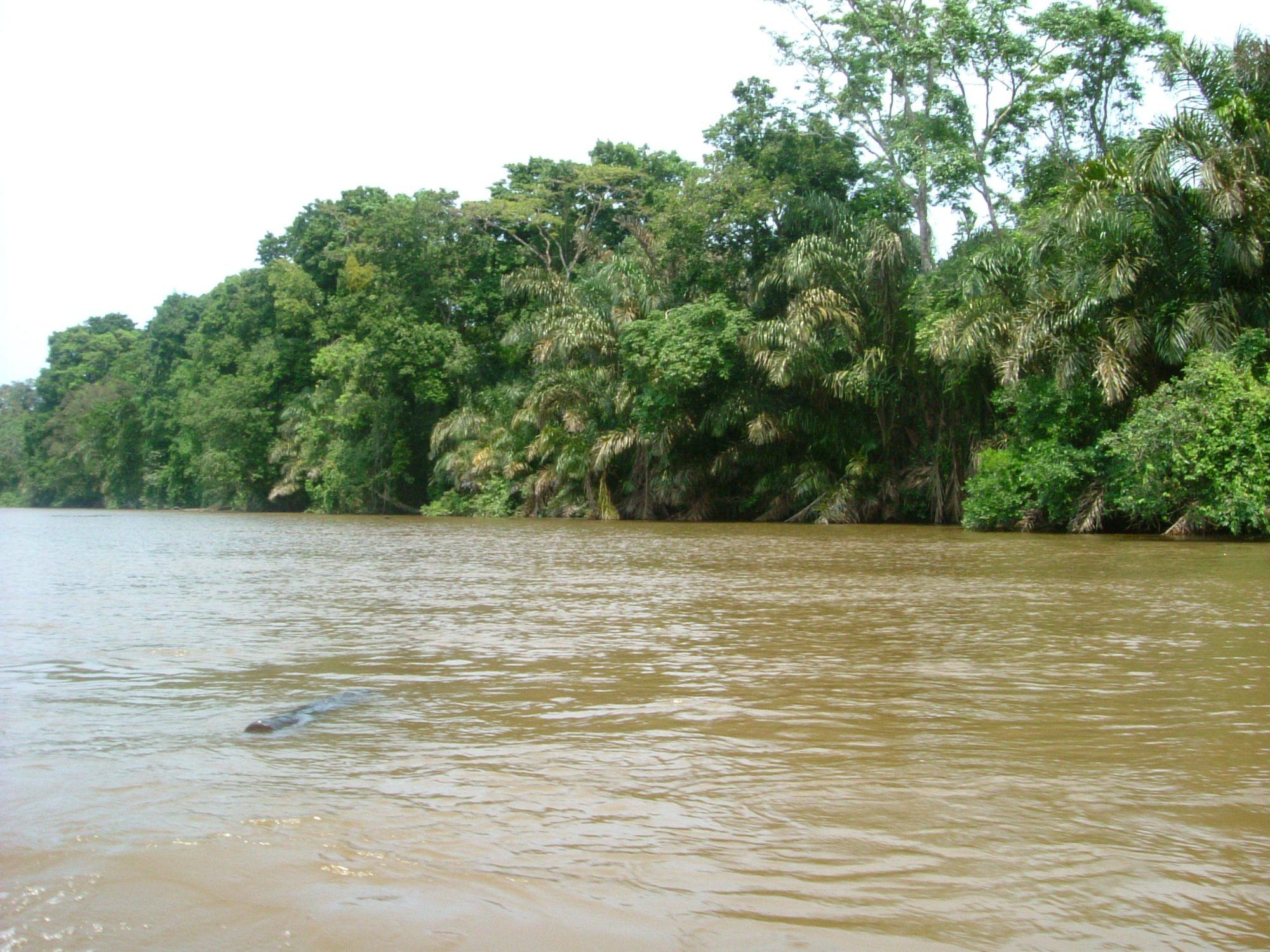
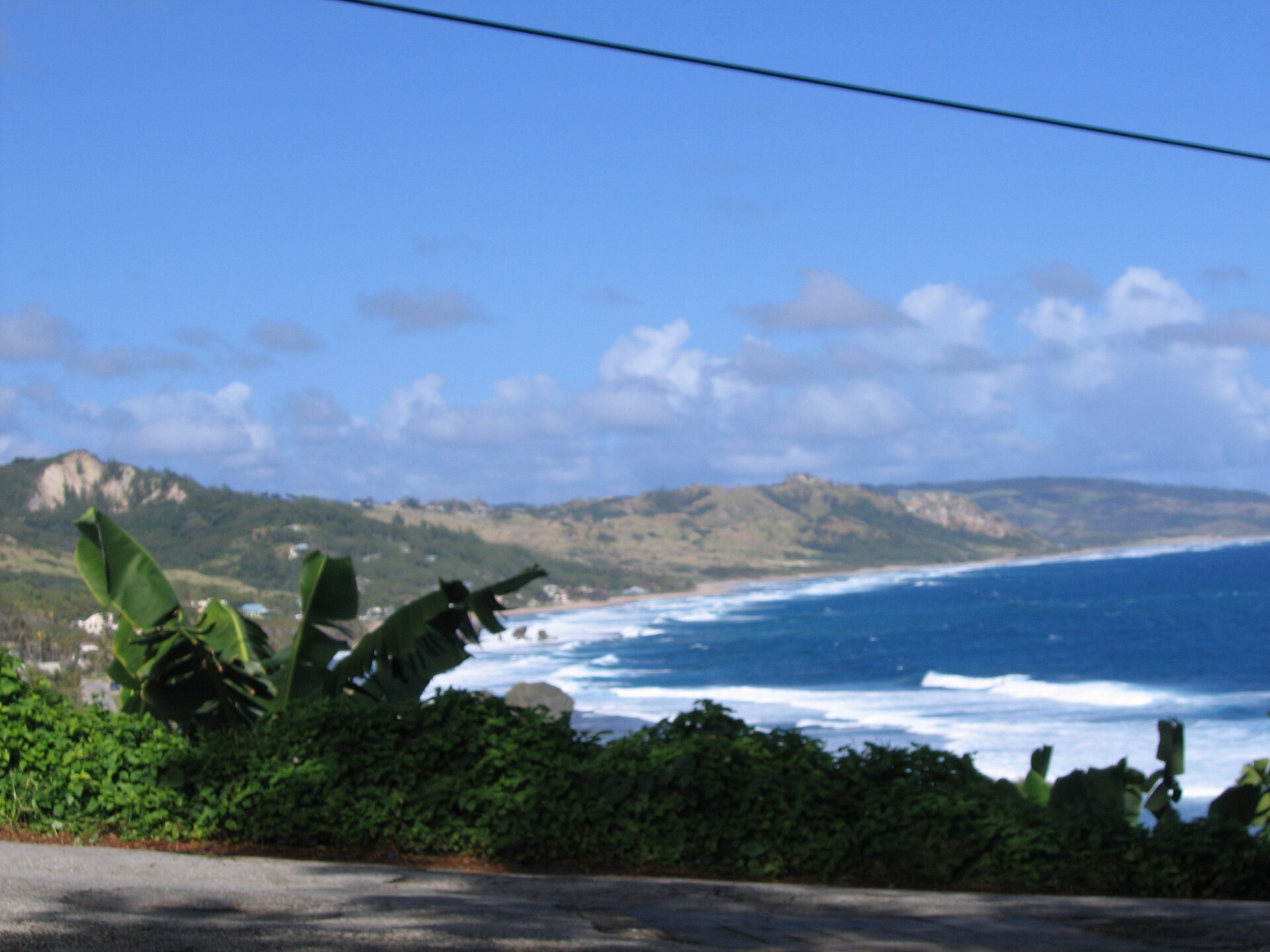
Photo: S. Rae from Scotland, UK, Wikimedia Commons, CC BY 2.0
Independent boutique hotels
Hotel Aguas Claras at Playa Chiquita pairs Caribbean-style architecture with art, colour and garden paths. It suits travellers who want an individual small-hotel experience rather than a conventional tropical resort.
Banana Azul, on Playa Negra near Puerto Viejo, is an adults-only alternative with tropical gardens and a beachfront setting. Its wood-built rooms and informal atmosphere make sense for people who like their hotel connected to the landscape.
Eco-minded stays
Tortuga Lodge, on the river at Tortuguero, gives you guided nature outings and a private reserve alongside comfortable rooms. Choose it for time with naturalists and the waterways, not for a sea-swimming holiday.
Aguas Claras publishes concrete measures including solar water heating and local food sourcing. We prefer that level of detail to a generic eco label, while still asking hotels to demonstrate how their practices work day to day.
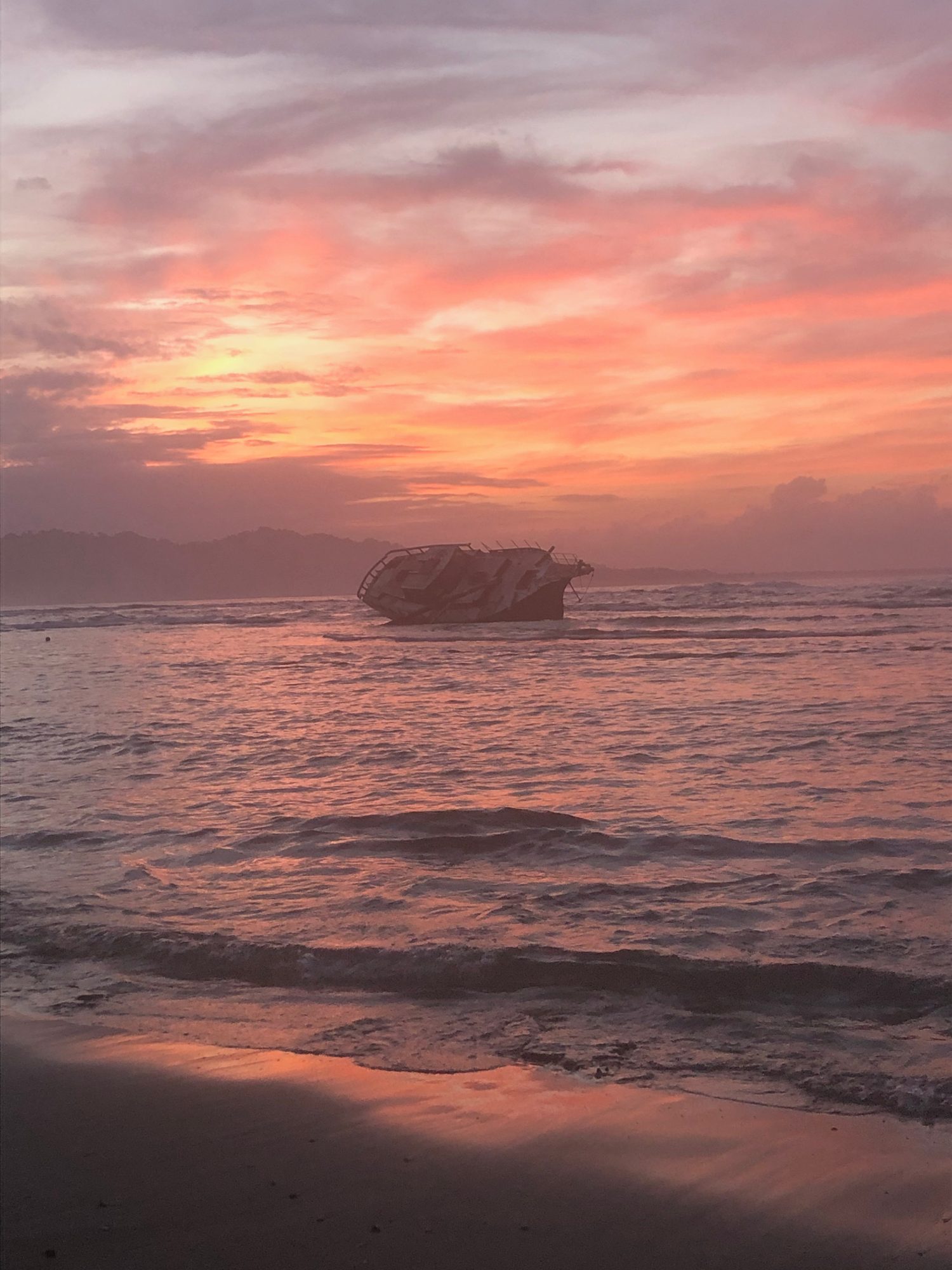
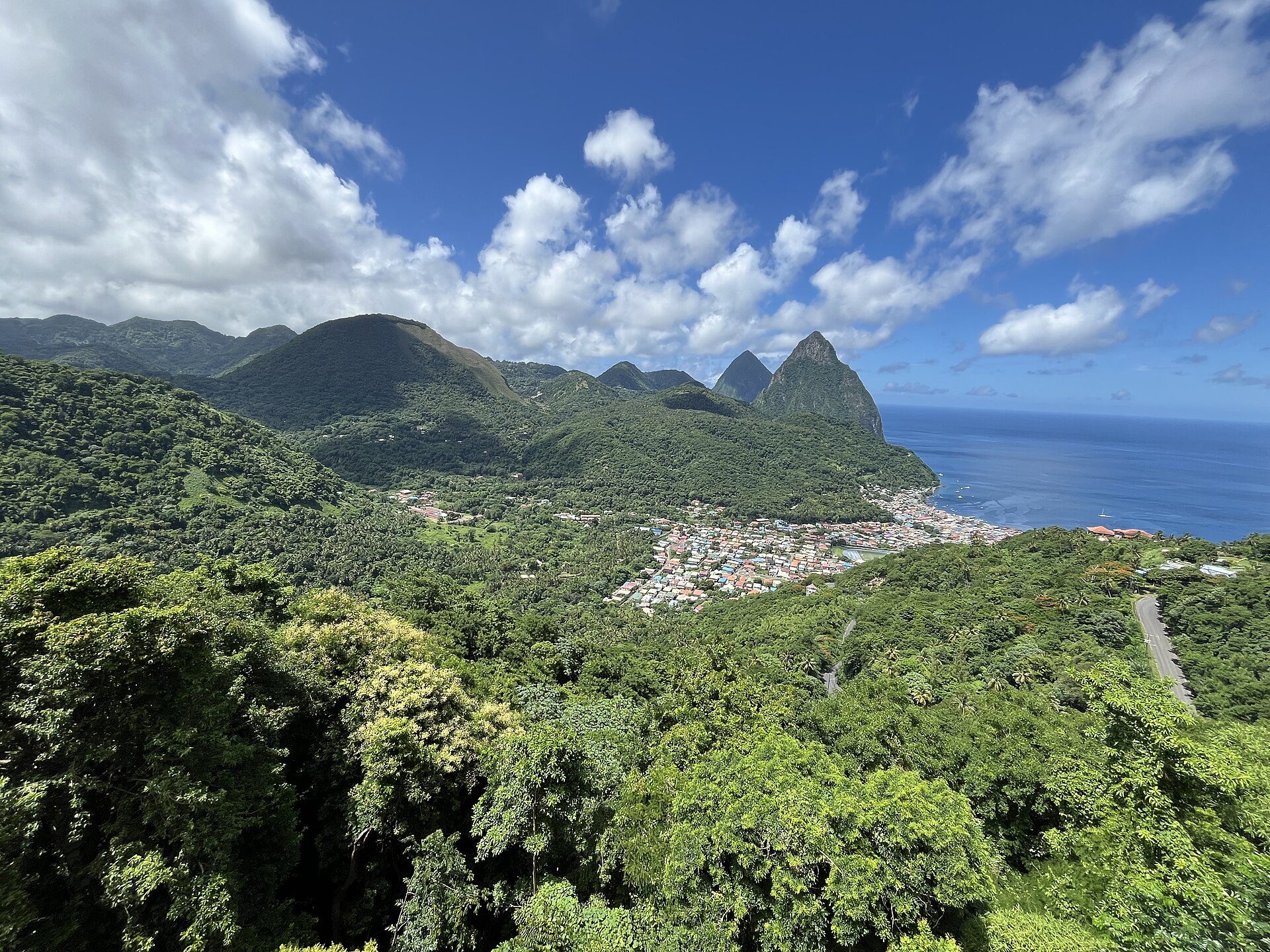
Photo: Z3lvs, Wikimedia Commons, CC0
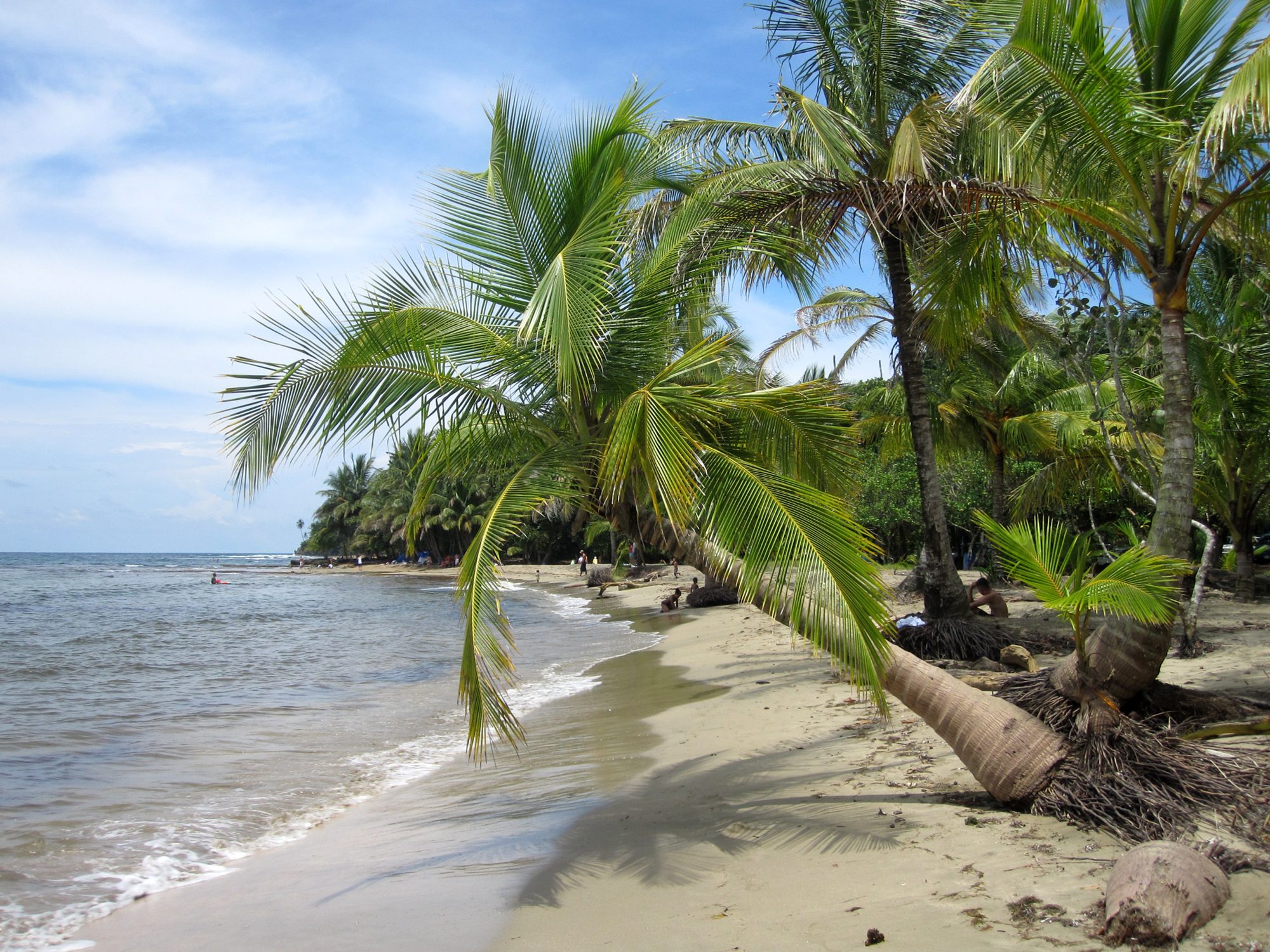
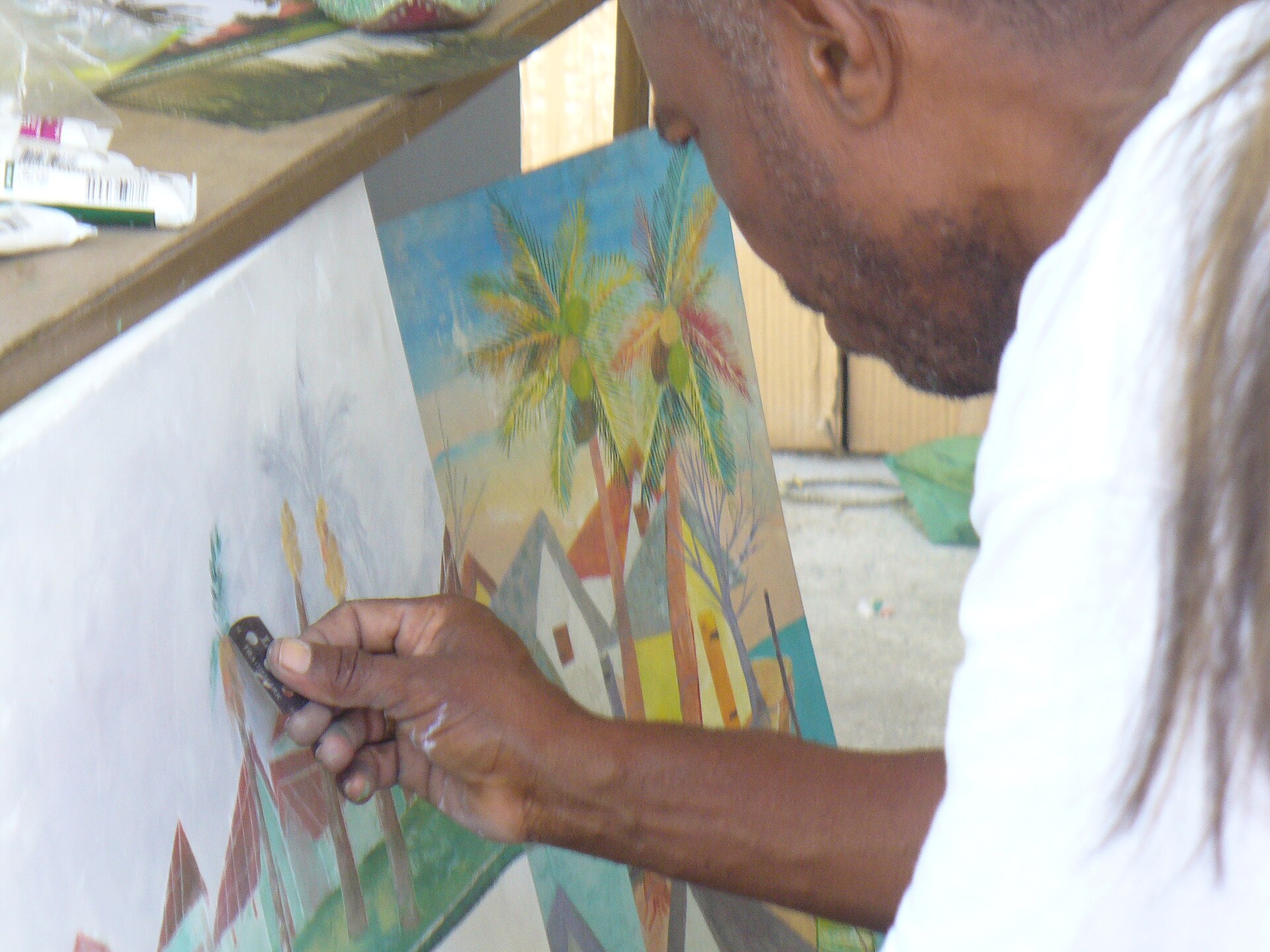
Photo: Haakon S. Krohn, Wikimedia Commons, CC BY-SA 3.0
Luxury
Luxury here is smaller and more nature-facing than on Costa Rica's major resort coasts. Aguas Claras is the artful, intimate choice; Le Cameleon at Cocles offers a more contemporary hotel style, with rooms, suites and a beach-club element.
Tortuga Lodge belongs on the shortlist when comfort and guided wildlife time matter equally. None of these is a substitute for a sprawling all-inclusive, and that is precisely the point of choosing this coast.
The bar-hotel scene
At Aguas Claras, DaLime Beach Club brings food and drinks to the Playa Chiquita setting, while Papaya is the hotel's garden-and-pool restaurant. Banana Azul's Azul Bar & Grill is another place where the hotel and its social spaces work together.
For more evening choice, base yourself within easy reach of Puerto Viejo. This is an informal coast, not a grand-hotel cocktail circuit, and we would not sell it as one.
Best experiences
Take an early guided boat or canoe outing in Tortuguero and let the conditions determine the route. Birds, monkeys and reptiles are possibilities, not a checklist your guide can promise to complete.
In the south, arrange a Bribri-led cacao experience through a community-run operator. The value is in the conversation and the context, not simply watching chocolate being made. Ask who hosts the visit and how payment reaches the community.
Walk Cahuita with a local guide and consider a reef outing only when visibility and sea conditions allow. Turtle watching at Tortuguero is a seasonal, regulated experience: use an authorised guide and follow every instruction about light, distance and photographs.
Food you must try
Order Caribbean rice and beans, cooked with coconut milk and often served with chicken, fish and plantain. It is not the same dish as the gallo pinto you may know from elsewhere in Costa Rica.
Look for rondón, a coconut-based stew whose ingredients depend on the kitchen and the day's supply. Patí, a savoury filled pastry, makes a good snack. Cacao and local chocolate add another layer to the region's food story, especially when tasted with the people who grow and process them.
Top five local restaurants
These are Caribbean kitchens to build a relaxed coastal itinerary around, rather than a list imported from San José.
- Lidia's Place
- Puerto Viejo, informal Caribbean cooking
- La Nena
- Cocles, seafood and Caribbean dishes
- Maxi's Restaurant
- Manzanillo, traditional Caribbean cooking
- Soda Shekiná
- Puerto Viejo, local Caribbean plates
- Restaurante Bananas
- Cahuita, Caribbean specialities and seafood
Top five fine-dining restaurants
This coast has good restaurants, but we won't pretend it has five conventional fine-dining rooms. Start with these two for a more considered evening: one Italian, one contemporary Caribbean in a small hotel. Neither requires you to abandon the coast's relaxed mood.
- Pecora Nera
- Cocles, Italian cooking and an extensive wine list
- Papaya Restaurant
- Playa Chiquita, contemporary Caribbean dining at Aguas Claras
Hidden gems
Playa Chiquita rewards a slower day rather than a beach-hopping schedule. Ask your hotel about the safest access and current water conditions, then leave time simply to sit beneath the trees.
Manzanillo is the place to linger over lunch before a guided introduction to the refuge. Around Limón, Playa Piuta offers another perspective on the coast and its food culture. These are lived-in places, not empty tropical backdrops: ask before photographing people and keep wildlife encounters hands-off.
CTT tips: why visit
Come for the combination of nature and a strong Caribbean identity. Give Tortuguero and the southern beaches separate stays rather than trying to commute between them, and leave gaps in the itinerary for weather and chance wildlife sightings.
Frequently asked questions
When is the best time for the Caribbean coast?
September and October often bring a relatively drier spell, unlike much of the Pacific coast. There is no guarantee of dry weather, so keep nature outings flexible.
Can I drive to Tortuguero?
Not into Tortuguero village. Road transfers connect with boats, and small-aircraft services are another option. Organise the whole transfer rather than just a hire car.
Does the coast have fine dining?
There are thoughtful hotel restaurants and established international kitchens, but not a broad formal fine-dining circuit. Local Afro-Caribbean cooking is one of the strongest reasons to come.
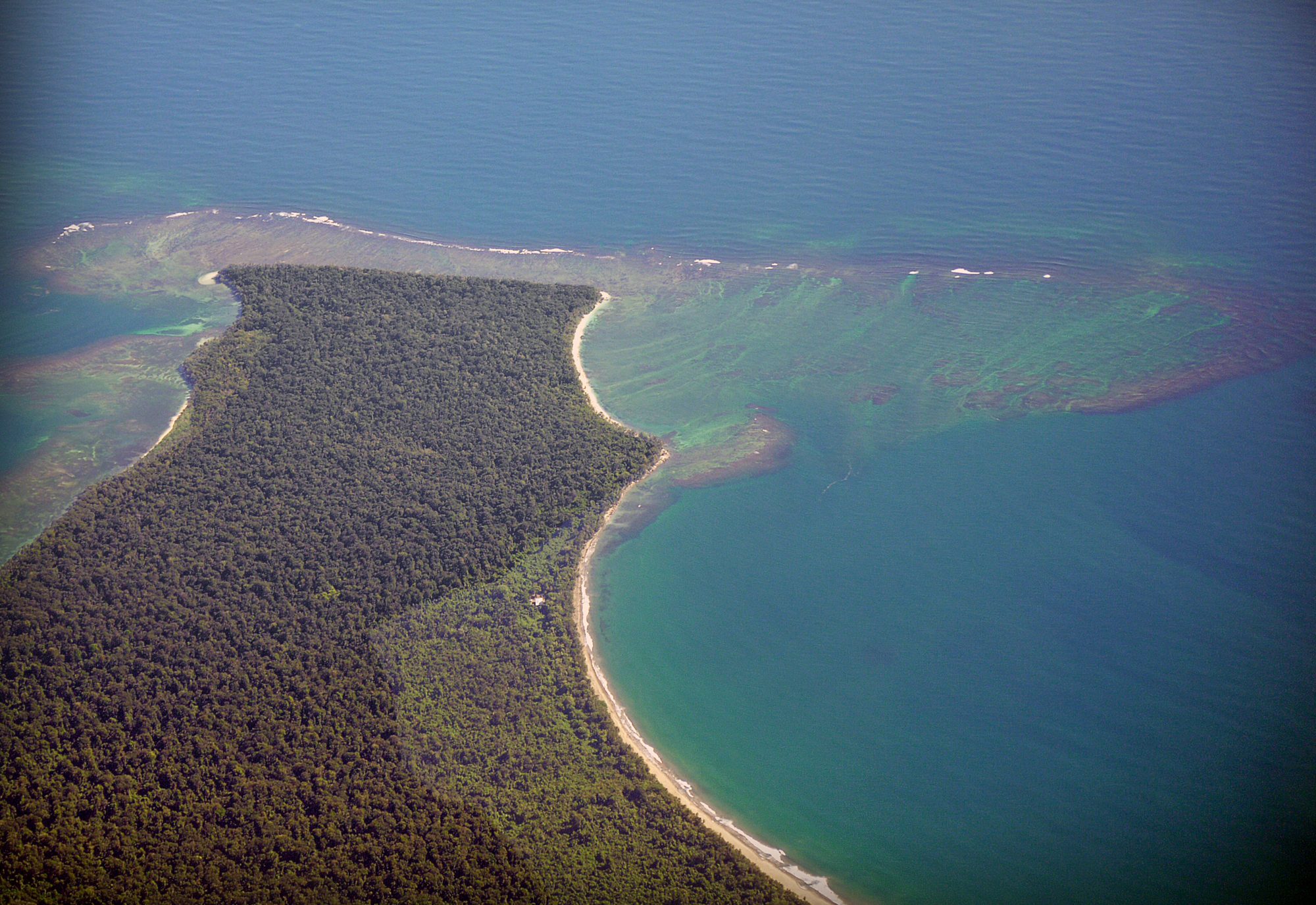
Independent CTT editorial. Not sponsored. Photo: Bernal Saborio from Costa Rica, Wikimedia Commons, CC BY-SA 2.0. Details such as schedules and prices change, please confirm with a CTT specialist before travelling.