In brief
Why visit Panama?
Panama combines a cosmopolitan capital with very different Caribbean experiences: Bocas del Toro for islands and rainforest, Portobelo for Afro-Congo heritage, and Guna Yala for community-run island stays. The reward is variety, provided you give transfers and local customs proper attention.
Top sights
Start in Panama City, which stands on the Pacific side but makes the natural introduction to this Caribbean-focused journey. Walk Casco Viejo with a guide for its plazas, churches and complicated trading history, then give the Panama Canal a separate visit rather than squeezing it between airport transfers.
On the Caribbean coast, Portobelo brings Spanish fortifications and living Afro-Congo culture into the same small town. Its history deserves more than a quick look at the cannons.
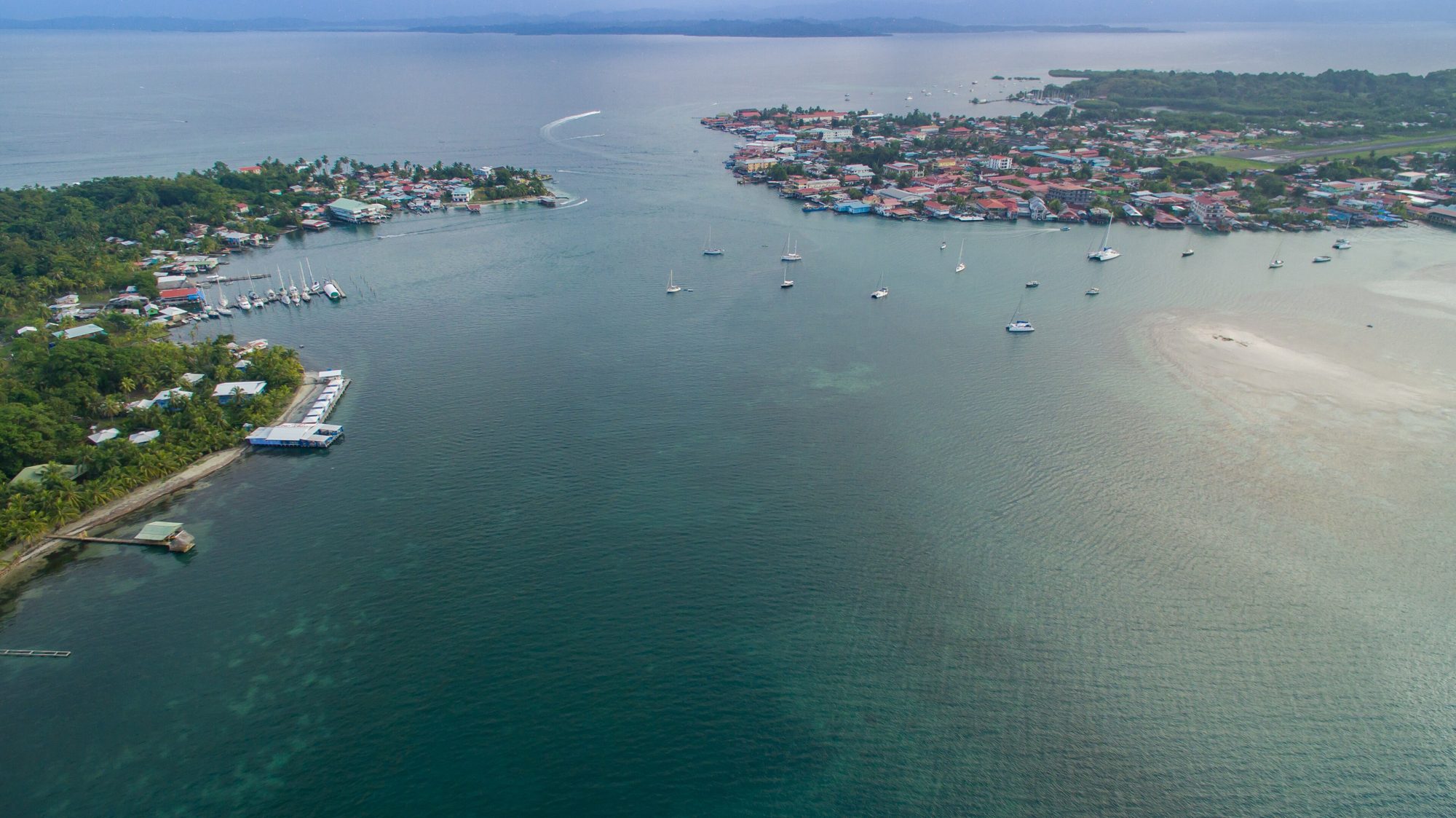
Bocas del Toro is an archipelago, not one beach resort. Isla Colón is the transport hub, while Bastimentos and the surrounding islands offer rainforest, boat journeys and beach time. Guna Yala, also called San Blas, is a separate Indigenous territory with its own rules and hosts.
- Capital
- Casco Viejo and the Panama Canal
- Heritage
- Portobelo forts and Afro-Congo culture
- Islands
- Bocas del Toro archipelago
- Community-led coast
- Guna Yala
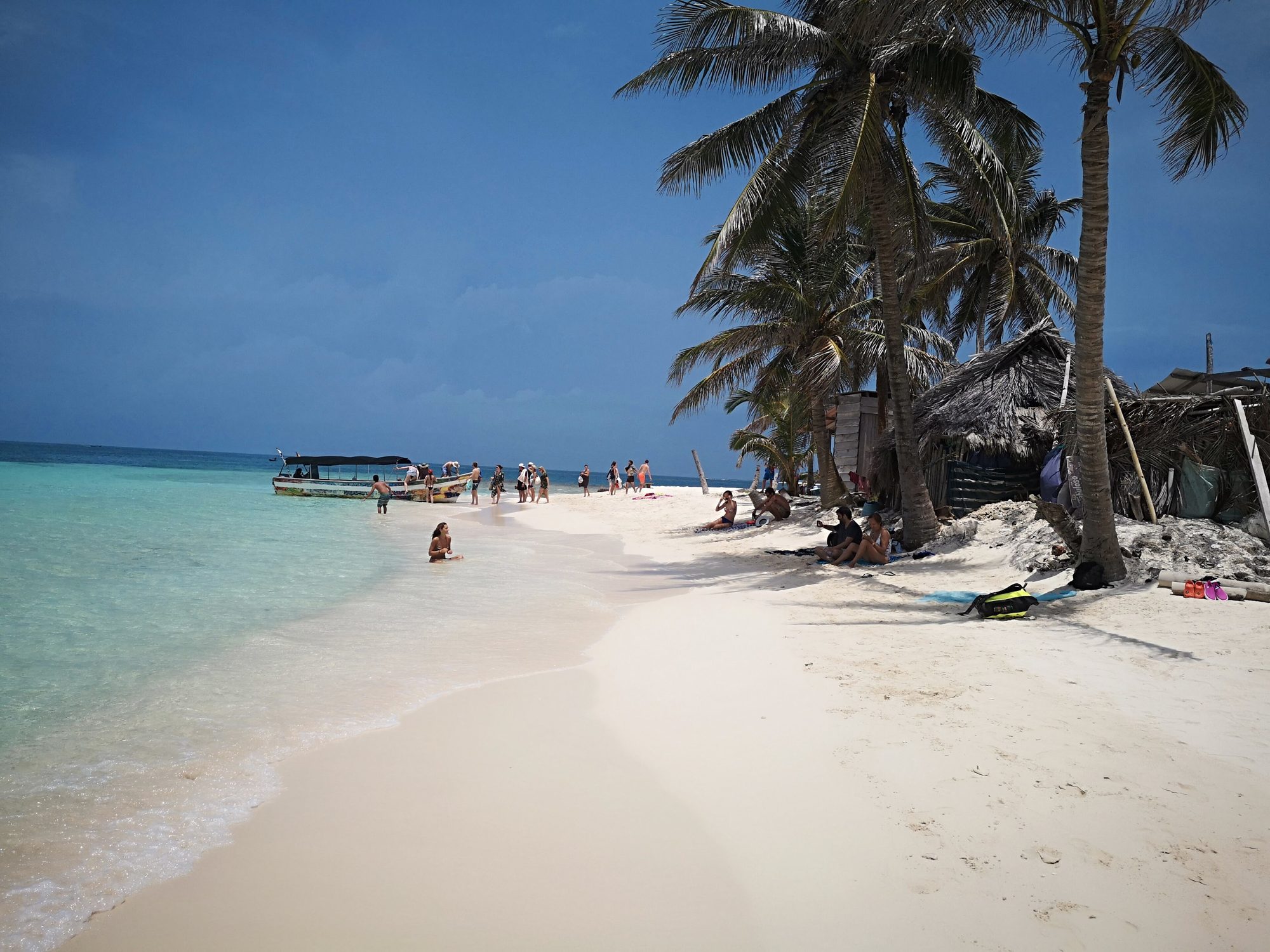
Photo: Panama Tours and Scuba SA, Wikimedia Commons, CC BY-SA 4.0
Independent boutique hotels
In Casco Viejo, Amarla Boutique Hotel suits travellers looking for an intimate base in the historic quarter. American Trade Hotel offers a larger but still characterful alternative on Plaza Herrera, with the neighbourhood on your doorstep.
In Bocas, Hotel Bocas del Toro gives you a waterfront base in town rather than a secluded island retreat. Decide which experience you want before choosing a hotel: restaurants within walking distance and total seclusion rarely come in the same package.
Eco-minded stays
La Loma Jungle Lodge on Bastimentos combines a rainforest reserve with a cacao and permaculture farm. Access is by boat, the lodges are open to their surroundings, and hillside paths and steps are part of the experience.
This is a strong choice for travellers who want to understand the landscape rather than simply look at it. Ask how the lodge manages waste, food sourcing and community relationships. An eco-minded stay should be judged on its working practices, not the amount of greenery in its photographs.
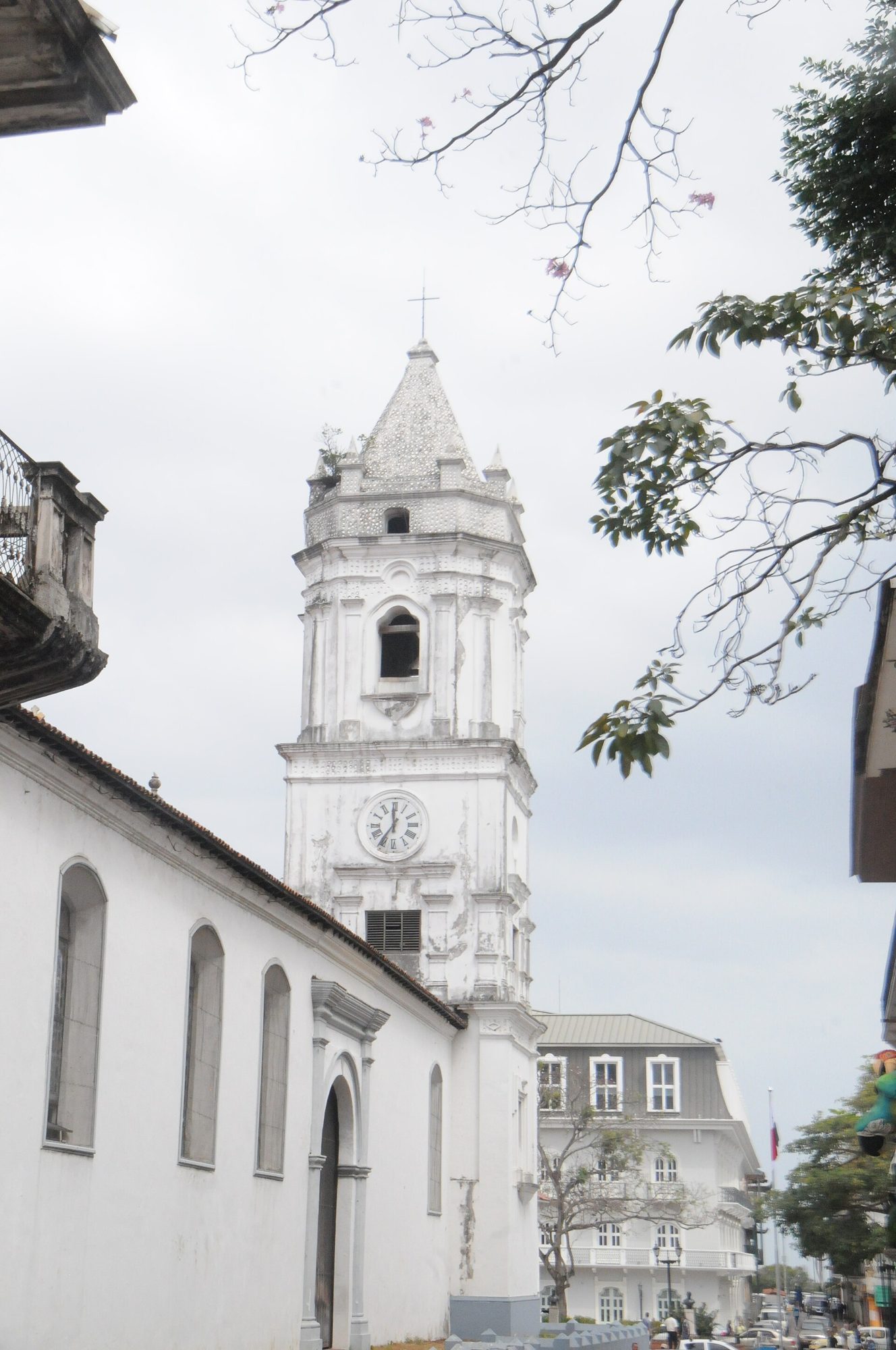
Photo: David Broad, Wikimedia Commons, CC BY 3.0
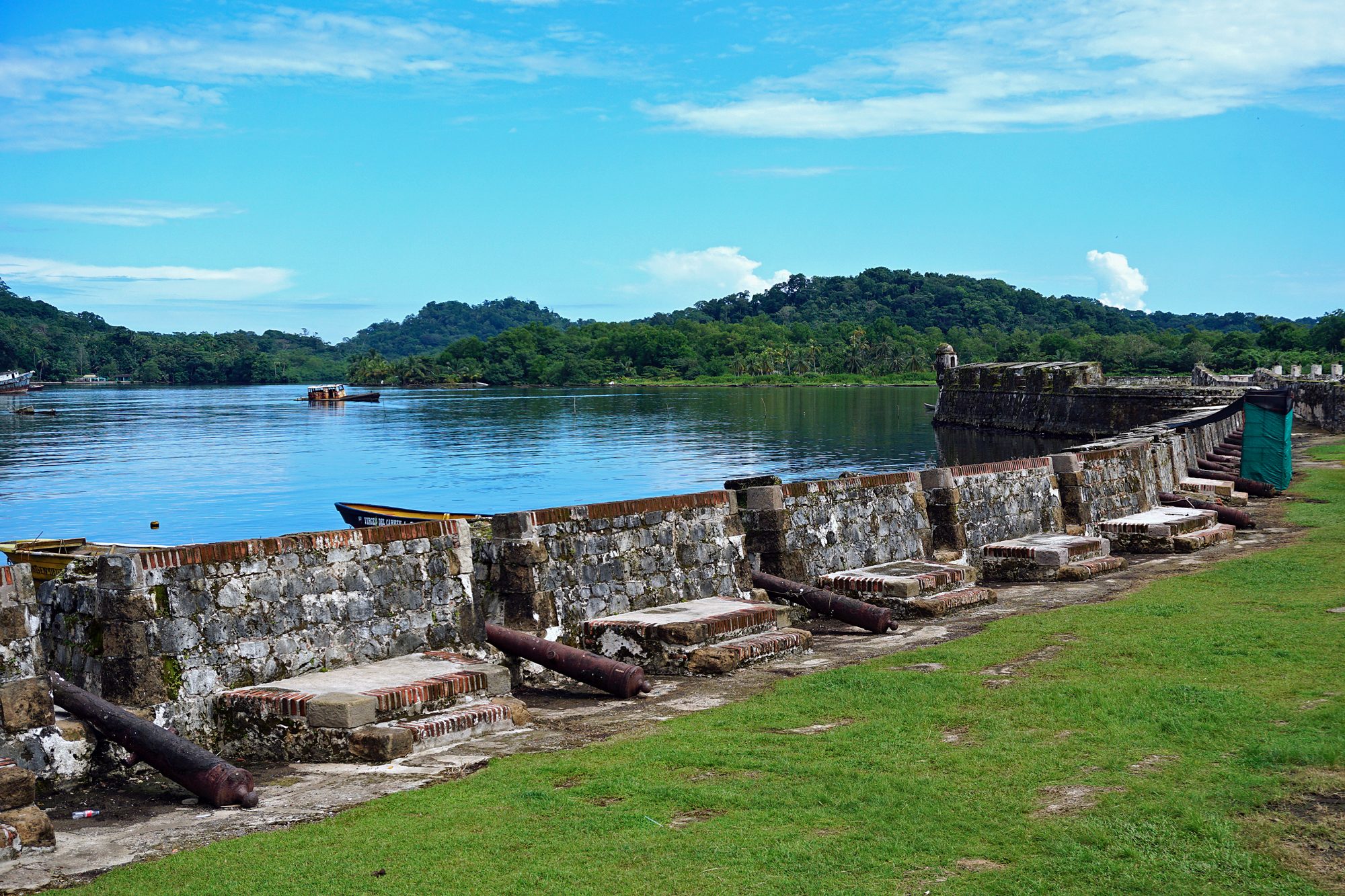
Photo: Mariordo (Mario Roberto Durán Ortiz), Wikimedia Commons, CC BY-SA 4.0
Luxury
Sofitel Legend Casco Viejo provides the polished city chapter, with waterfront views, a spa and restaurants close to the old quarter's streets. Hotel La Compañía offers another full-service heritage-led stay in Casco Viejo.
For Caribbean seclusion, Nayara Bocas del Toro has overwater villas on a private island. This is a different proposition from staying in Bocas Town: meals, excursions and transfers become part of a hotel-centred rhythm.
Guna Yala is not the place to expect international resort infrastructure. Choose it for Guna hospitality, water and island life, and be clear about the simplicity of the accommodation before committing.
The bar-hotel scene
Panama City's hotel bars can be a reason to stay in the historic quarter. Sofitel Legend Casco Viejo brings a rooftop perspective to the skyline, while American Trade Hotel offers a more neighbourhood-facing base for an evening in Casco.
The island chapter is usually more informal. In Bocas, choose between being near town's restaurants and bars or needing a boat back to your lodge. Confirm the last practical transfer before ordering another drink.
Best experiences
Take a small-boat outing in Bocas with a guide who treats the marine park as a protected place, not an open playground. The Zapatilla cays are a classic excursion when conditions permit. Never lift starfish for photographs or ask a skipper to chase dolphins.
In Guna Yala, book through Guna hosts or an operator who works transparently with them. Buy molas from makers where possible, ask permission for photographs and let the community set the terms of a village visit.
Portobelo adds another kind of encounter: Afro-Congo art, music and food within a landscape shaped by the Atlantic trade. Use a local guide and ask what can genuinely be arranged, rather than expecting a performance on demand.
Food you must try
Start with sancocho, the comforting chicken soup found across the country, and carimañolas, filled yuca fritters that make a satisfying breakfast or snack. Patacones are flattened fried plantains, an ideal companion to fish.
On the Caribbean side, seek out rondón, coconut-based seafood cooking and rice with coconut. Afro-Panamanian kitchens are central to the country's food story, not an optional footnote. In the capital, that heritage meets Chinese, Indigenous and other influences in both everyday meals and inventive restaurant cooking.
Top five local restaurants
These five are in Panama City, where most travellers have time before or after the islands. They range from traditional cooking to energetic contemporary interpretations, not five versions of the same neighbourhood fonda.
- El Trapiche
- El Cangrejo, traditional Panamanian dishes
- El Caribe
- Vía Argentina, Caribbean cooking
- Fonda Lo Que Hay
- Casco Viejo, creative Panamanian comfort food
- La Tapa del Coco
- San Francisco, contemporary Afro-Panamanian cooking
- Cantina del Tigre
- San Francisco, informal seafood-led cooking
Top five fine-dining restaurants
Plan your special-occasion dinners in the capital rather than assuming a remote island lodge has an independent restaurant circuit. These rooms cover contemporary Panamanian cooking, Japanese dining and polished hotel restaurants.
- Maito
- Coco del Mar, contemporary Panamanian cooking
- Kaandela
- Casco Viejo, fire-led cooking at Amarla
- Makoto
- Obarrio, contemporary Japanese dining
- Caleta
- Casco Viejo, seafood at Sofitel Legend
- Azahar
- Avenida Balboa area, contemporary international cooking
Hidden gems
Portobelo is too often reduced to a day trip between other places. Stay curious about its galleries and Afro-Congo heritage, and build in time for a proper Caribbean meal. The fortifications make more sense when you hear the human history alongside them.
In Bocas, ask about a guided cacao visit rather than adding another hurried island stop. La Loma's farm is one route into that story. There is also value in doing less: a long morning around your lodge can reveal more birds and forest life than a packed boat itinerary.
CTT tips: why visit
Panama works best as a deliberate combination of city and one Caribbean region. Bocas and Guna Yala are not interchangeable, and trying to fit both into a short trip often gives you more transfers than island time.
Frequently asked questions
Is Panama City on the Caribbean coast?
No, it is on the Pacific side. It is included as a cultural and transport gateway to the Caribbean coast, with a substantial food scene of its own.
Should I choose Bocas del Toro or Guna Yala?
Choose Bocas for a wider range of hotels, restaurants and rainforest excursions. Choose Guna Yala for community-run island hospitality and simpler facilities, respecting local rules.
Can I visit the Caribbean islands as a quick city day trip?
Some Guna Yala excursions operate as long day trips, but they involve significant road and boat travel. We prefer an overnight stay where appropriate, and Bocas deserves a separate stay rather than a rushed detour.
Independent CTT editorial. Not sponsored. Photo: dronepicr, Wikimedia Commons, CC BY 2.0. Details such as schedules and prices change, please confirm with a CTT specialist before travelling.