In brief
What makes Caribbean cuisine distinctive?
Caribbean cuisine is shaped by the region's Indigenous, African, European and Asian histories, then made local through island-grown produce, daily catches, preservation techniques, seasoning traditions and knowledge passed between generations.
The morning catch
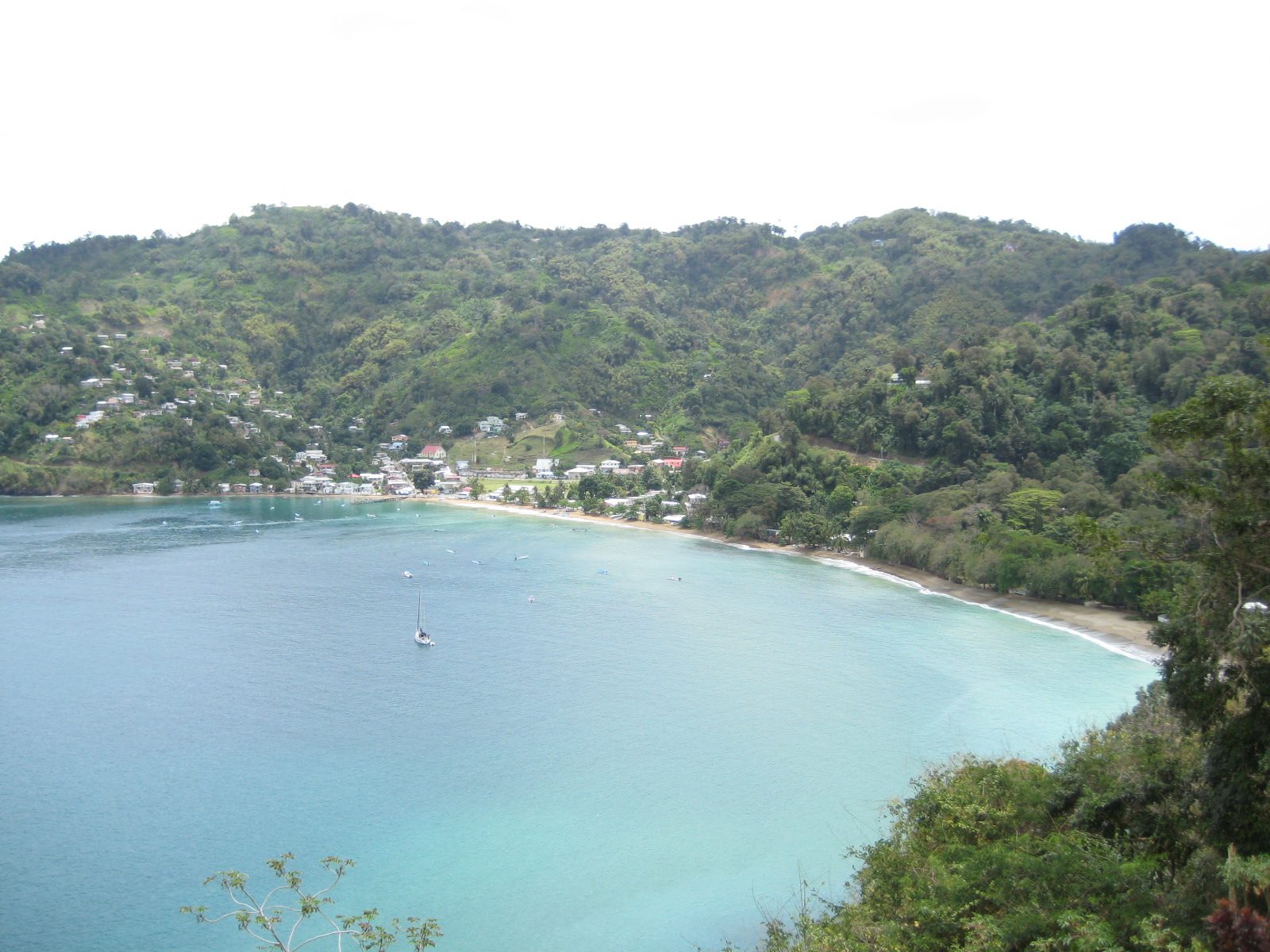
In fishing communities across the region, the day's menu often begins at the landing site. Fishers return with what the sea has offered, while cooks and buyers assess the catch for grilling, stewing, frying or salting. That direct relationship between boat and kitchen is one reason the same dish can taste different from one bay to the next.
Flying fish in Barbados, conch in The Bahamas and Turks and Caicos, lobster in the Grenadines and shark in Trinidad are closely associated with particular places. Yet seasonality matters. Responsible kitchens work with legal seasons, local regulations and what is genuinely available rather than treating every ingredient as permanent.
The growers behind the flavour
The Caribbean kitchen is also rooted in small farms, kitchen gardens and hillside plots. Breadfruit, plantain, cassava, dasheen, callaloo, pigeon peas, citrus and hot peppers form a vocabulary shared across the region, but each island speaks it differently.
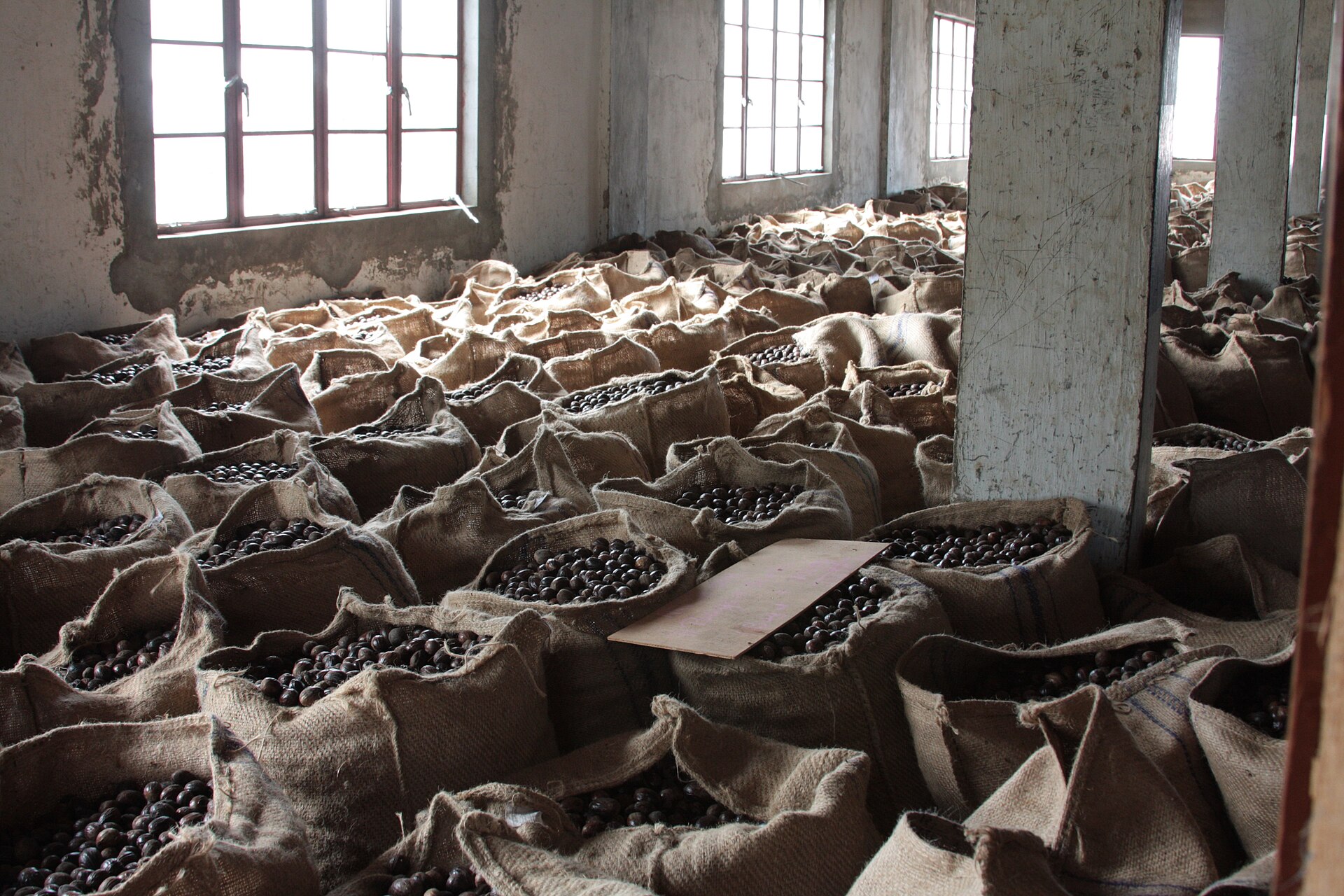
Grenada's nutmeg and cocoa, Saint Lucia's green figs, Jamaica's pimento and Guyana's cassareep show how an ingredient can become part of a national story. Farming knowledge, when to plant, how to select, what to preserve and what to cook together, is as important as any written recipe.
Markets as living archives
A Caribbean market is more than a place to shop. It is where visitors can see what is in season, learn the local names for familiar produce and understand the ingredients that rarely appear on hotel menus. Vendors are often the best interpreters of what is ripe, how it should be prepared and which seasoning belongs with it.
Go early, ask before taking portraits and buy something if someone has spent time explaining their produce. A spice blend, small bag of fruit or locally made preserve becomes a more meaningful souvenir when you understand who produced it and how it is used.
The cooks who keep recipes alive
Many of the region's defining foods were developed through adaptation: making something sustaining from what was available, preserving a catch, stretching a harvest or transforming an overlooked cut. The knowledge lives in proportions judged by hand, in the order ingredients enter a pot and in the patience to wait until texture and flavour are right.
That knowledge is carried by home cooks, roadside vendors, bakery teams, restaurant kitchens and community groups. Their work connects celebration food with everyday food, from pepperpot and oil down to cou-cou, callaloo, roti, bake and saltfish, and countless island variations.
How to travel through food with respect
The most rewarding food experiences are not necessarily the most formal. Visit a public market with a local guide, choose an independently run lunch stop, tour a working cocoa or spice estate and make time for a community festival where food is part of the occasion rather than a performance staged for visitors.
Pay fairly, ask questions with curiosity and avoid describing unfamiliar food as exotic. Caribbean cuisine is contemporary as well as traditional: chefs and producers are continually adapting local ingredients, reducing waste and creating new expressions of familiar flavours.
- Start
- At a market or fishing village
- Ask
- What is fresh and in season?
- Support
- Independent local producers
Frequently asked questions
Which Caribbean island is best for food?
There is no single best island. Trinidad and Tobago is known for its Indian, African, Chinese, Creole and Middle Eastern influences; Grenada for spices and cocoa; Barbados for fish and rum traditions; and the French Caribbean for Creole cooking shaped by French technique.
How can visitors support local Caribbean food communities?
Buy from markets and independent producers, choose locally owned restaurants and guides, order seasonal seafood, pay fair prices and ask permission before photographing people at work.
Are Caribbean food tours suitable for vegetarians?
Often, yes. The region has deep traditions around ground provisions, pulses, rice, callaloo, plantain, breadfruit and fresh fruit, though it is best to explain dietary needs when booking because stocks and seasonings may contain meat or seafood.
Independent CTT editorial. Not sponsored. Photo: wikifurn, Wikimedia Commons, Public domain. Details such as schedules and prices change, please confirm with a CTT specialist before travelling.