In brief
Why see the Caribbean by boat?
Sailing restores the region's original logic: the sea is what connects the islands, not what separates them. You see coastlines and anchorages no road reaches, change islands by the hour rather than by the flight schedule, and settle into a pace set by wind and tide rather than itineraries.
A different geography
Seen from land, the Caribbean is a set of separate holidays separated by airports. Seen from the water, it becomes what it has always been: one sea with islands strung across it, close enough that the horizon is almost always holding another shoreline.
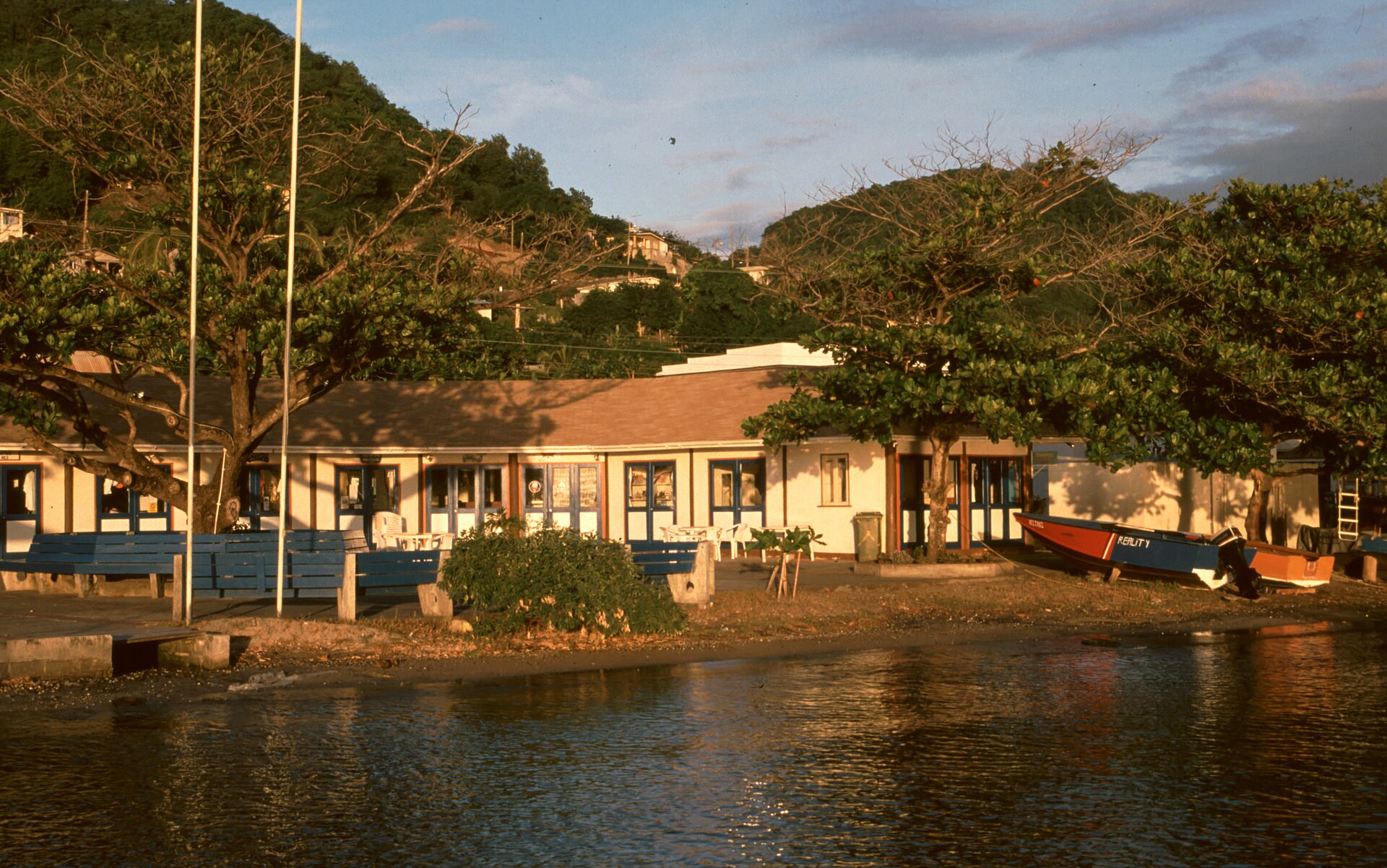
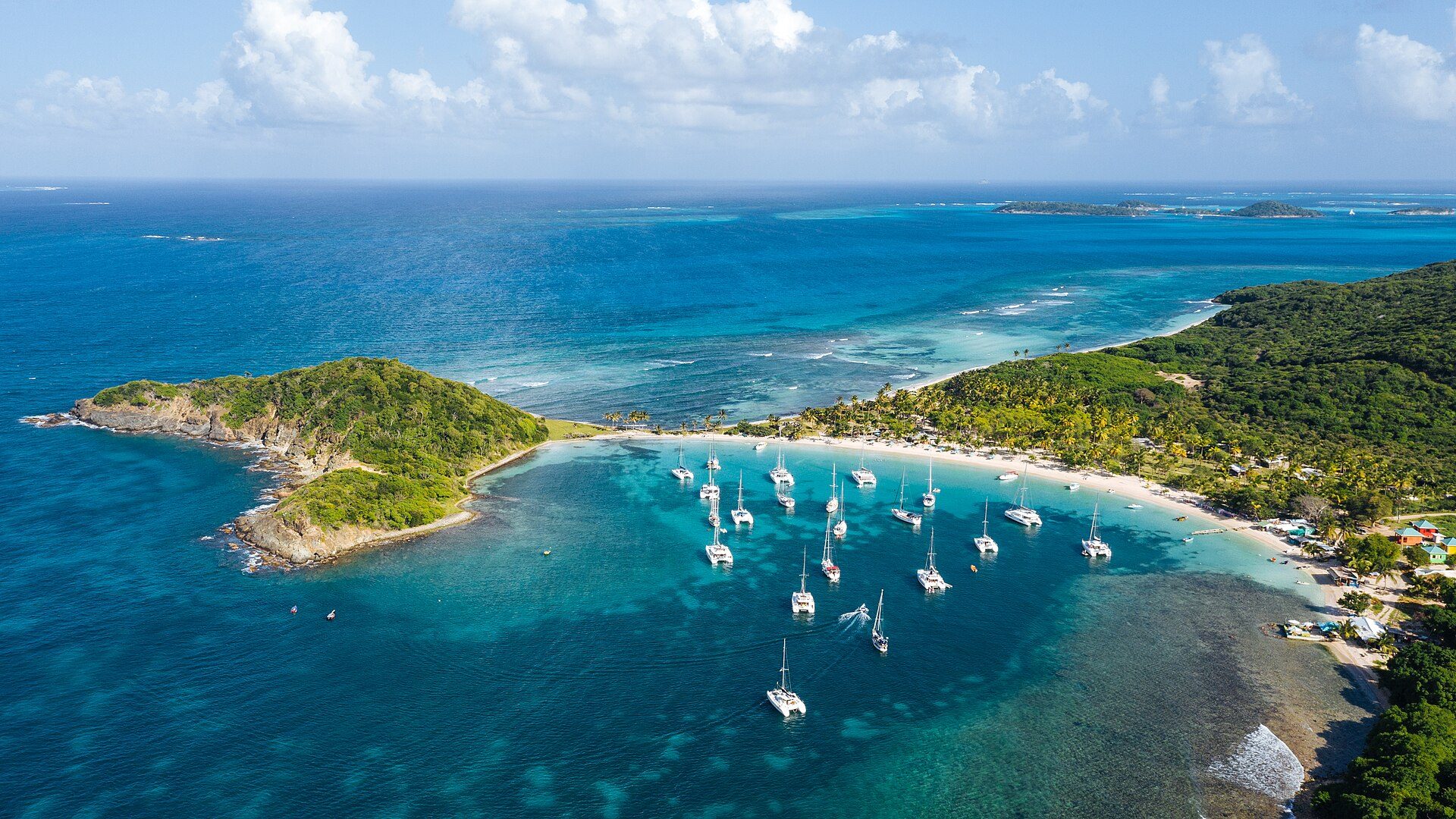
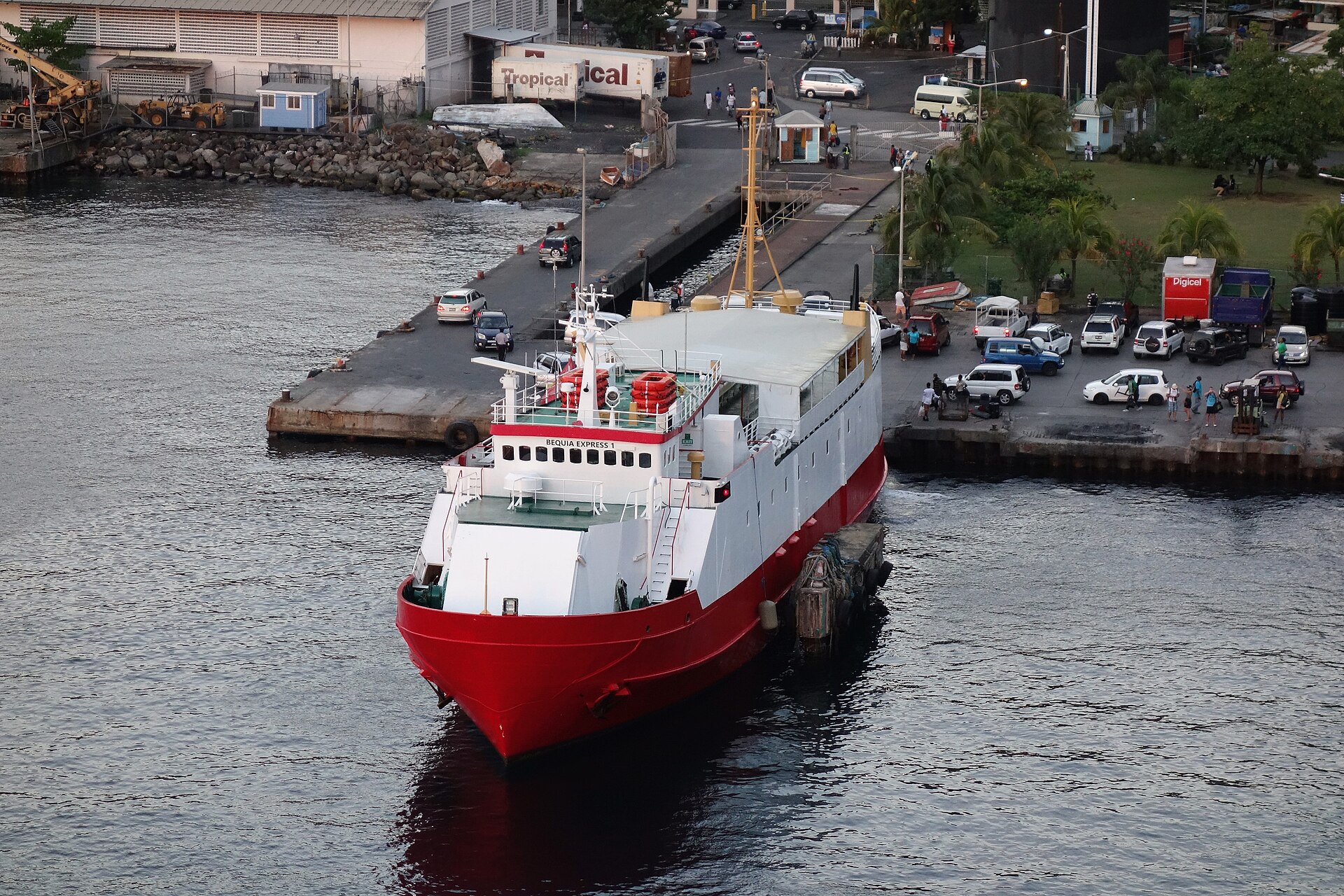
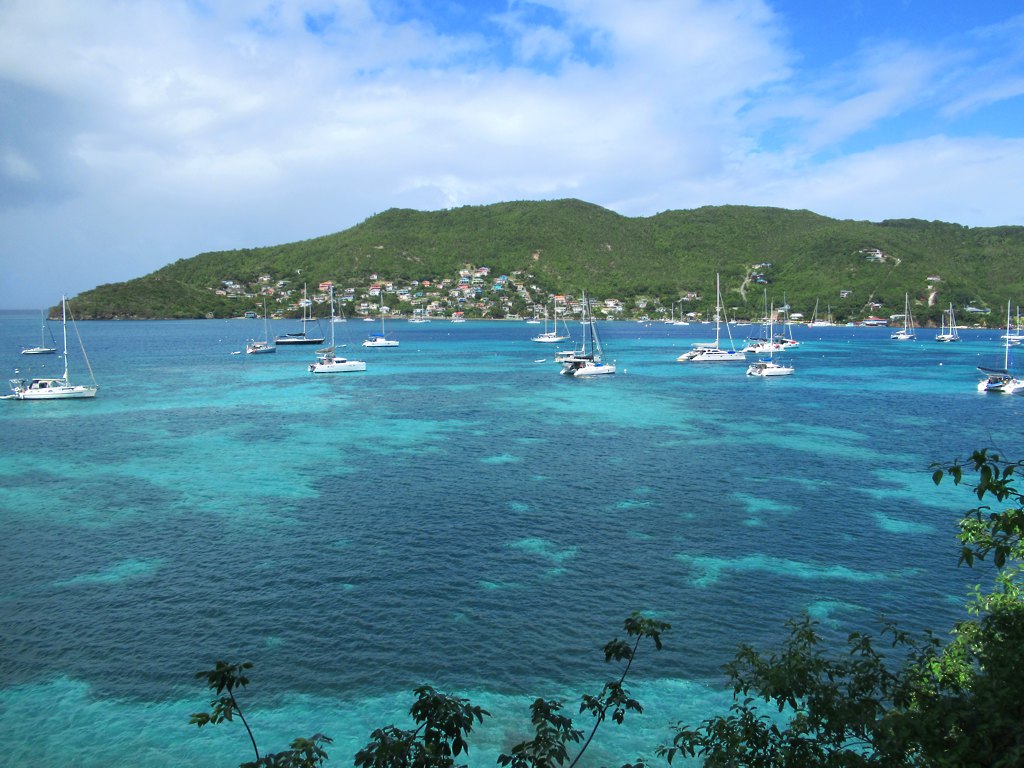
Distances that look theoretical on a map become practical. In the Grenadines, Bequia, Mustique, Canouan and the Tobago Cays are short hops of an hour or two. In the BVI, you can anchor off a different island every night of a week without ever repeating a view.
The perspective changes too. Resorts face the sea; sailing starts from it. You approach each island the way ships have approached it for five centuries, coastline first, detail later, and you begin to read hills, reefs and towns the way residents do.
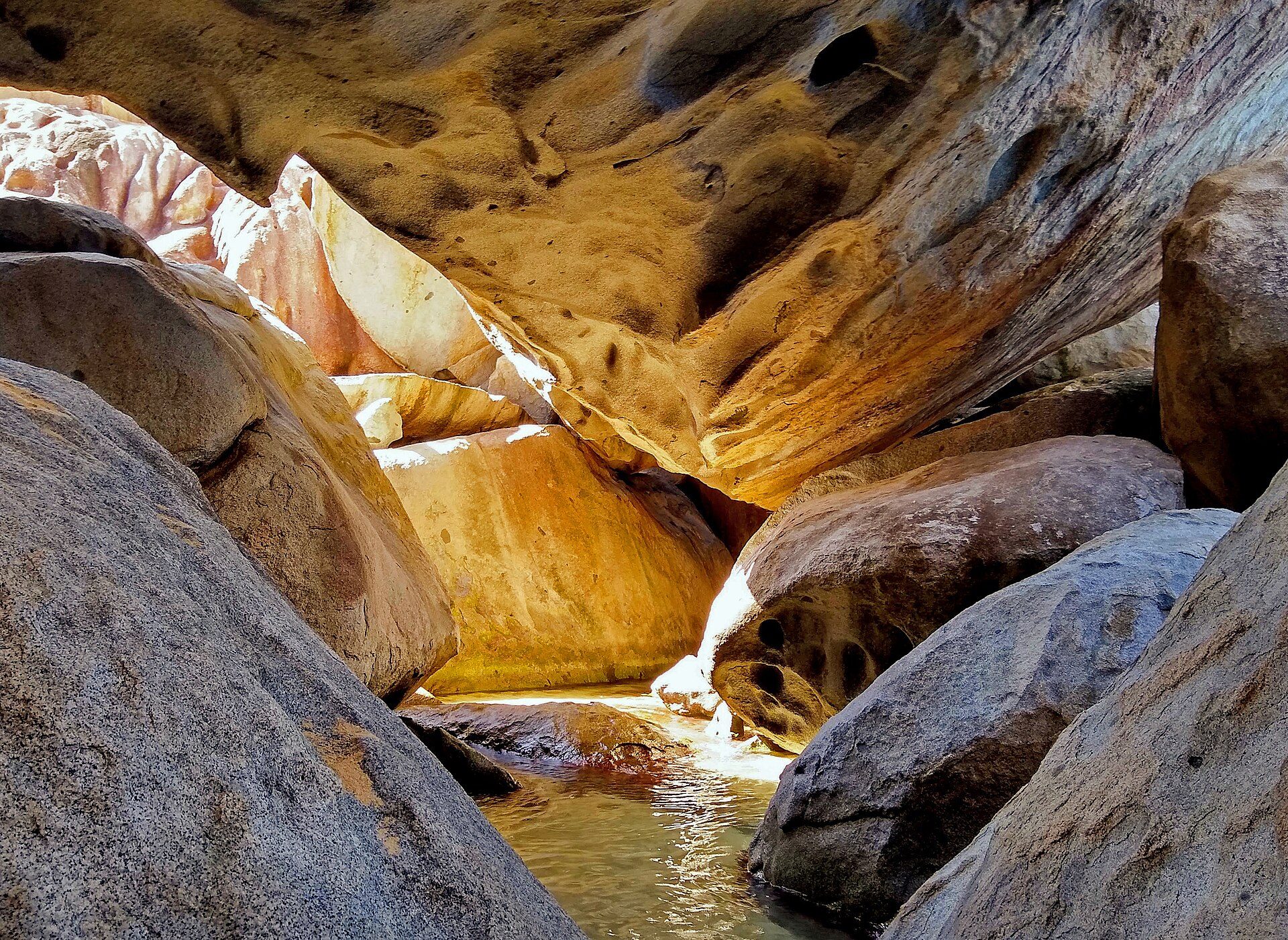
Photo: P. Hughes, Wikimedia Commons, CC BY-SA 4.0
The places boats reach
Some of the region's most memorable places are simply unreachable by land. The Tobago Cays' reef-sheltered anchorage, Anegada's low coral horizon in the BVI, the quiet bays of Bequia and the west coast of Saint Lucia beneath the Pitons are all, first and last, arrivals by water.
This is where the sailing Caribbean earns its reputation: a beach you share with a handful of boats, a beach bar that exists because an anchorage exists, a snorkel over coral you reached by dinghy before breakfast.
It also reshapes the islands you thought you knew. Approaching Saint Lucia by sea, the Pitons are a landmark rather than a backdrop; arriving in Grenada's capital by water explains why the Carenage is the town's front room.
Life at the pace of the tide
A sailing day has a rhythm that has nothing to do with itineraries: a morning passage, an early-afternoon anchor, a swim, a slow evening ashore. Plans bend to weather windows, as they always have, and the result is a holiday that feels spacious rather than full.
Evenings are the part travellers remember. On deck, in an anchorage, with islands dark around you, the region feels less like a destination and more like a neighbourhood.
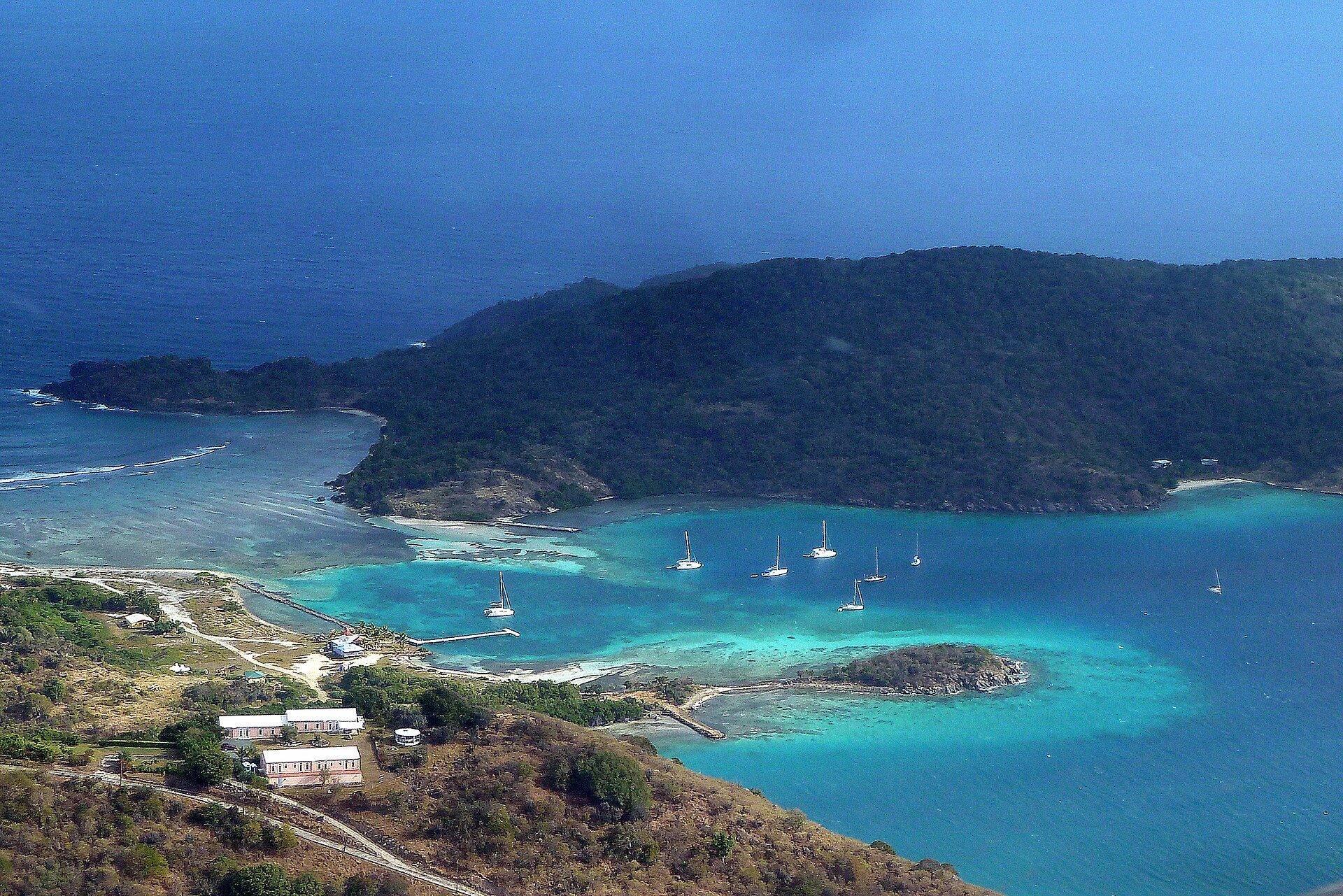
Photo: giggel, Wikimedia Commons, CC BY 3.0
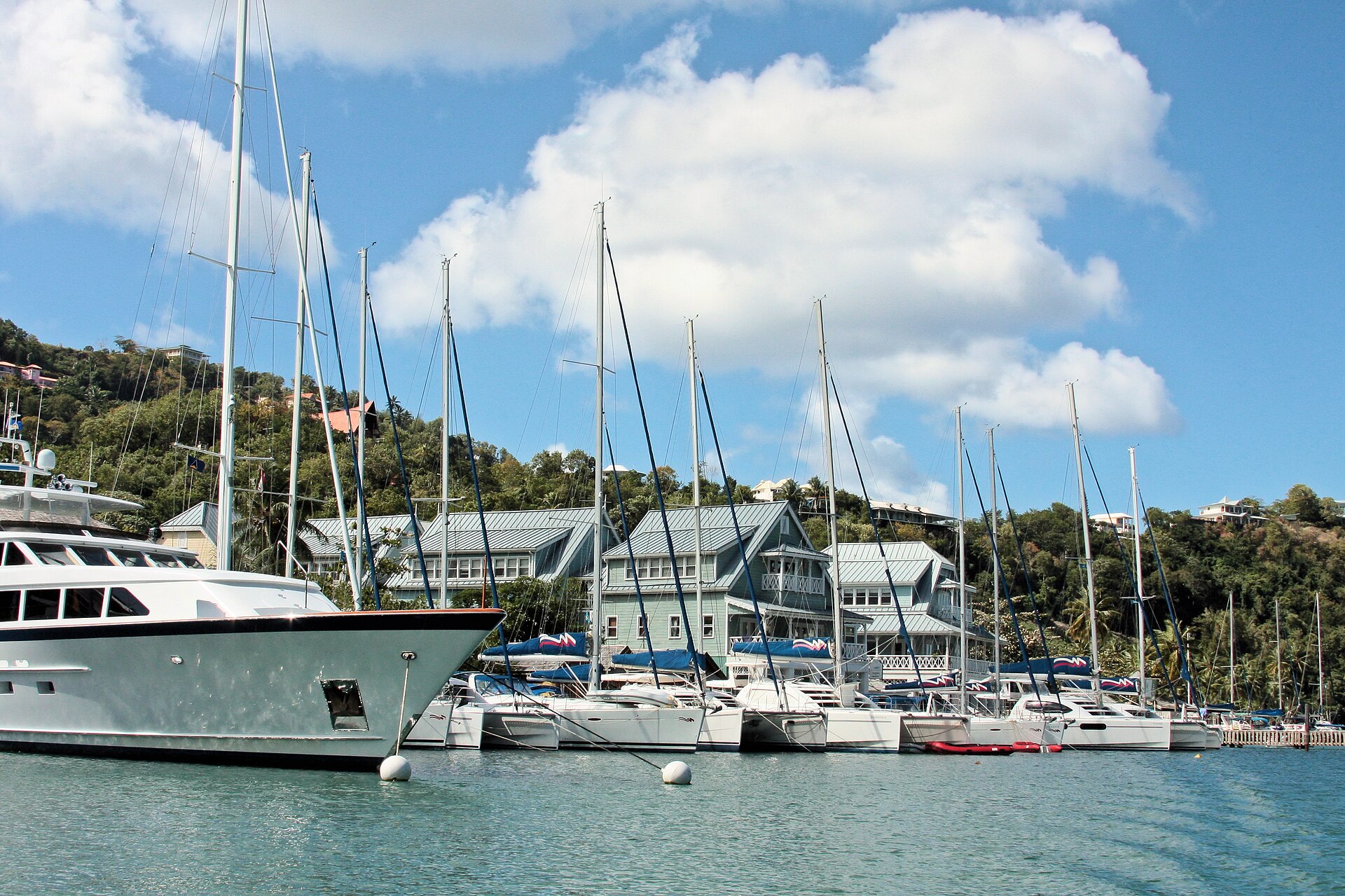
Photo: Paul Harrison, Wikimedia Commons, CC BY-SA 4.0
How to do it
There are three ways in. A crewed charter puts a captain, and often a cook, aboard, so no experience is needed. A cabin charter places you on a shared yacht with a fixed route, such as our Caribbean Yacht Week. Bareboat charter suits qualified sailors who want command of their own week.
Timing matters more than most travellers expect. The steady trade-wind months from December to April are the classic season; the summer months bring calmer crowds and greener islands, with routes chosen around weather.
Start with the islands whose passages suit your ambition, the Grenadines and the BVI for short, protected hops; Saint Lucia, Martinique and the Windwards for longer, more openwater legs.
Frequently asked questions
Do I need sailing experience for a Caribbean charter?
Not if you choose a crewed or cabin charter, where a professional captain handles the boat. Bareboat charter requires recognised qualifications and proven experience.
What is the best time of year to sail the Caribbean?
December to April offers the most reliable trade winds and driest weather. May to July can be quieter and warm, with routes adjusted around weather patterns.
Is sailing the Caribbean suitable for families?
Yes, crewed charters in particular suit families, with short passages, protected anchorages and swimming off the boat built into most days. Calm island chains such as the Grenadines and BVI are the usual starting point.
Independent CTT editorial. Not sponsored. Photo: David Stanley, Wikimedia Commons, CC BY 2.0. Details such as schedules and prices change, please confirm with a CTT specialist before travelling.