In brief
What does white-glove travel mean?
White-glove travel is service planned around one traveller rather than sold to many: preferences known in advance, details resolved before they become requests, and people on the ground accountable when something changes. Its best work happens before arrival, the flight, the transfer, the table, the weather plan, not during it.
The term, and what it is not
"White-glove" started as a description of handling, staff so careful they wore white gloves to touch the silver. In travel it has drifted into marketing shorthand, pinned to everything from a welcome cocktail to a chauffeured transfer, until it risks meaning nothing at all.
So it is worth being precise about what it is not. It is not uniformed theatrics, not champagne for its own photo, and not a tier you buy rather than a standard you receive. Genuine white-glove service is quieter than its stereotype: it is what happens when the trip has been studied, prepared and personally owned by someone who will be answerable for how it goes.
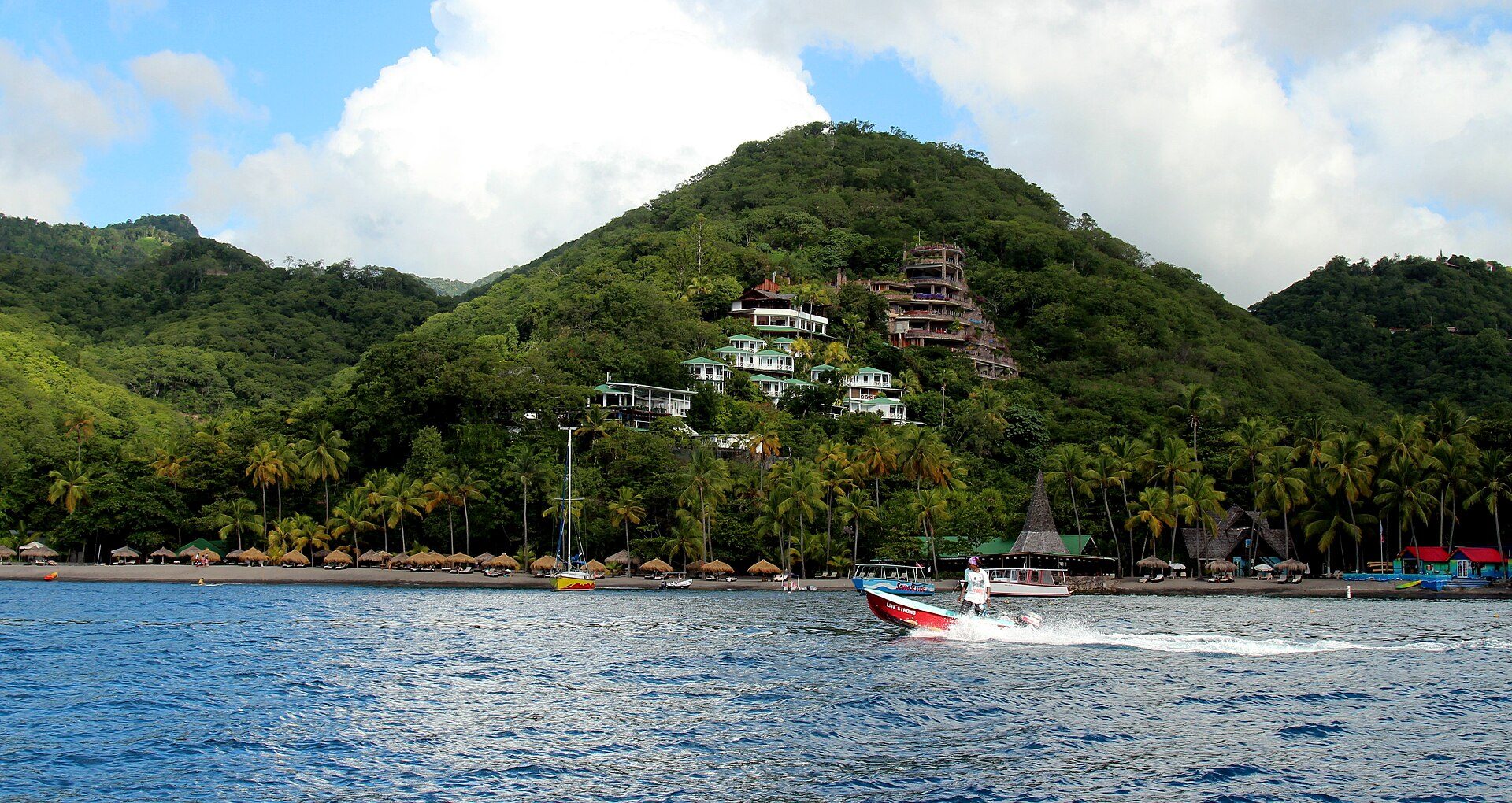
Photo: Prayitno / Thank you for (12 millions +) view from Los Angel, Wikimedia Commons, CC BY 2.0
Exceptional service begins before arrival
The defining feature of true white-glove travel is timing: the best of it happens before the traveller lands. The chef briefed on a shellfish allergy weeks ahead. The villa provisioned with the coffee a guest actually drinks. The boat booked for the calm-water day the forecast predicted, not the day the itinerary assumed.
This is why the term belongs to planning as much as to hospitality. A specialist who knows the traveller, party sizes, anniversaries, the way the children sleep, the reason for the trip, resolves a hundred small matters invisibly, so that on arrival nothing needs to be asked for. Service that begins on arrival is already reacting; service that begins before arrival is prepared.
The before-arrival work is also where problems are prevented: flight changes re-planned in an afternoon, a weather window rescheduled, a doctor confirmed for a trip with elderly guests. The traveller usually never learns what almost went wrong, which is precisely the point.
What it looks like on the ground
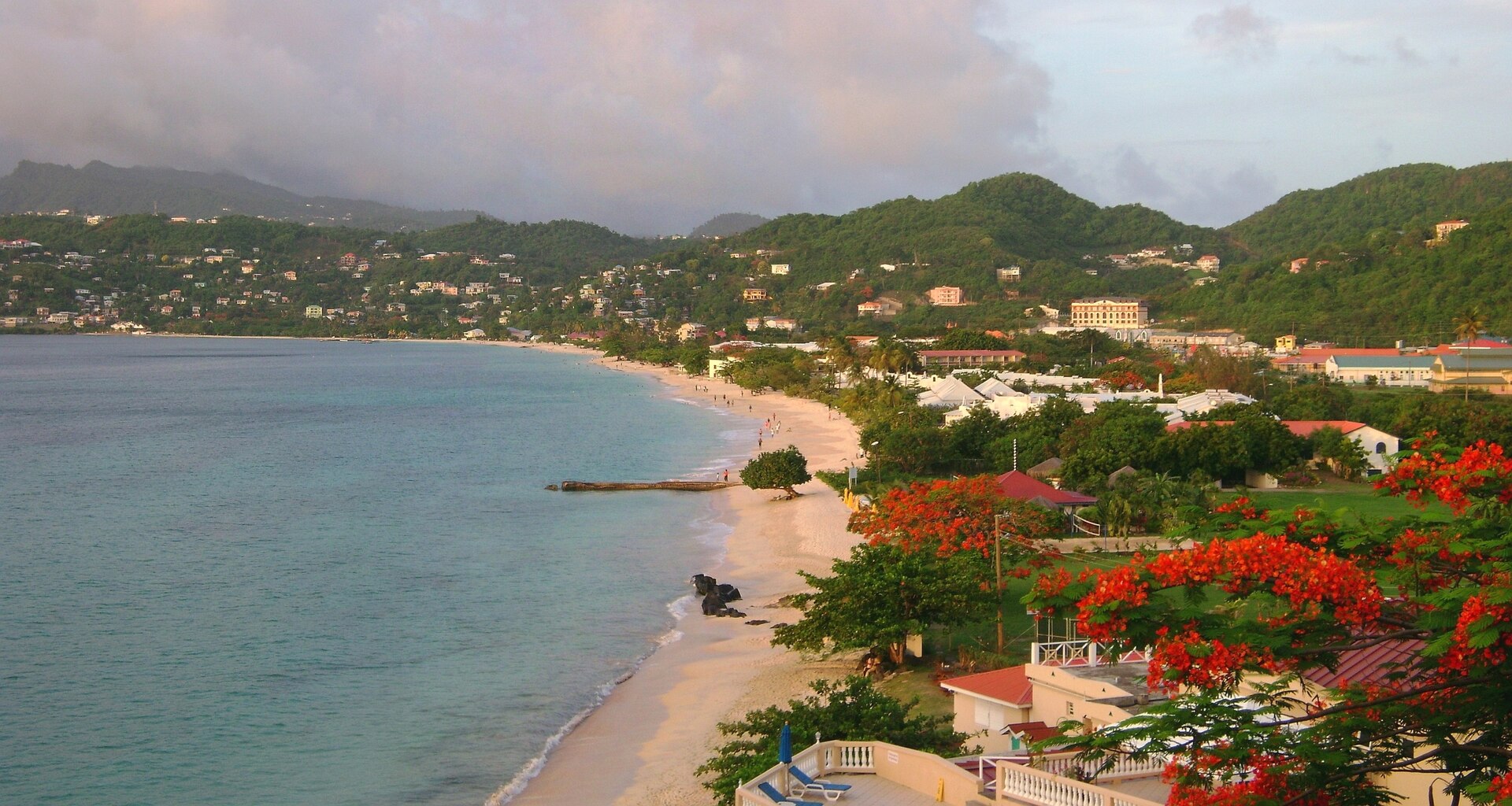
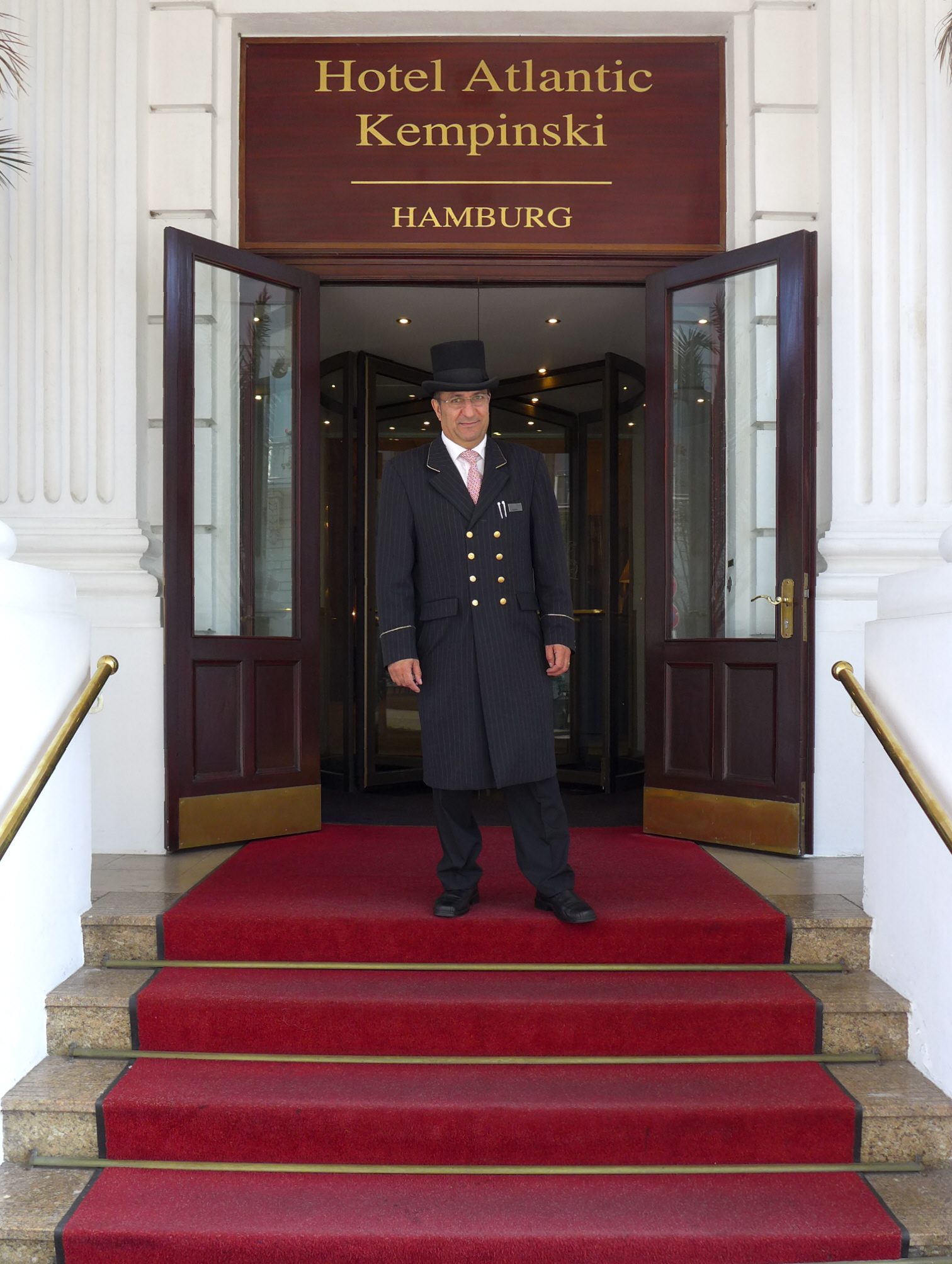
On island, white-glove service shows itself in recognition and accountability. The driver knows the name. The chef at the beach dinner knows the request made three weeks ago. The villa manager walks the property each morning and calls the boatman before you wonder about the wind.
It shows itself in the follow-through, too: a single person accountable when anything changes, rather than a chain of departments. In a region built on relationships, captains, chefs, guides and estate owners who work with the same handful of people for years, that web of trusted names is the real product, and it cannot be assembled by a stranger in a week.

Photo: CROIX, Wikimedia Commons, CC BY-SA 4.0

Photo: Jason Boldero, Wikimedia Commons, CC BY 2.0
How to receive it
White-glove service is earned in both directions. Travellers who share the reason for the trip, the preferences that matter and the dates that are fixed give the planning something to work with; the more the trip's purpose is understood, the more personal the result.
Then hand over the details. The value of specialist planning is not just access, it is that a hundred decisions are made well, in advance, by someone who will still be reachable when the trip is underway. That is what the term was always meant to describe: handling, done with care, before anyone arrives.
Frequently asked questions
Is white-glove travel only for luxury budgets?
No. Its core, advance planning, known preferences, one accountable contact, improves trips at any budget. The premium buys more staff and more exclusivity, but the standard itself is a way of planning, not a price point.
What is the difference between a concierge and white-glove service?
A concierge responds to requests; white-glove service anticipates them. The distinction is when the work happens, before the guest thinks to ask, and who is accountable when plans change.
How far in advance should a fully planned trip be arranged?
Ideally three to six months for peak-season travel. Advance planning is what allows preferences to be briefed, provisioning arranged and contingency plans made before arrival, the substance of the standard.
Independent CTT editorial. Not sponsored. Photo: Oxfordian Kissuth, Wikimedia Commons, CC BY-SA 3.0. Details such as schedules and prices change, please confirm with a CTT specialist before travelling.