In brief
What is Caribbean chic, and where did it come from?
Caribbean chic is the region's signature blend of ease and elegance, light clothes, natural materials, indoor-outdoor living and saturated colour. It emerged from the islands' own answer to the tropics, was popularised by the mid-century jet set and Caribbean music and film, and now shapes global resort design, fashion and the modern idea of effortless luxury.
The origin: an answer to the tropics
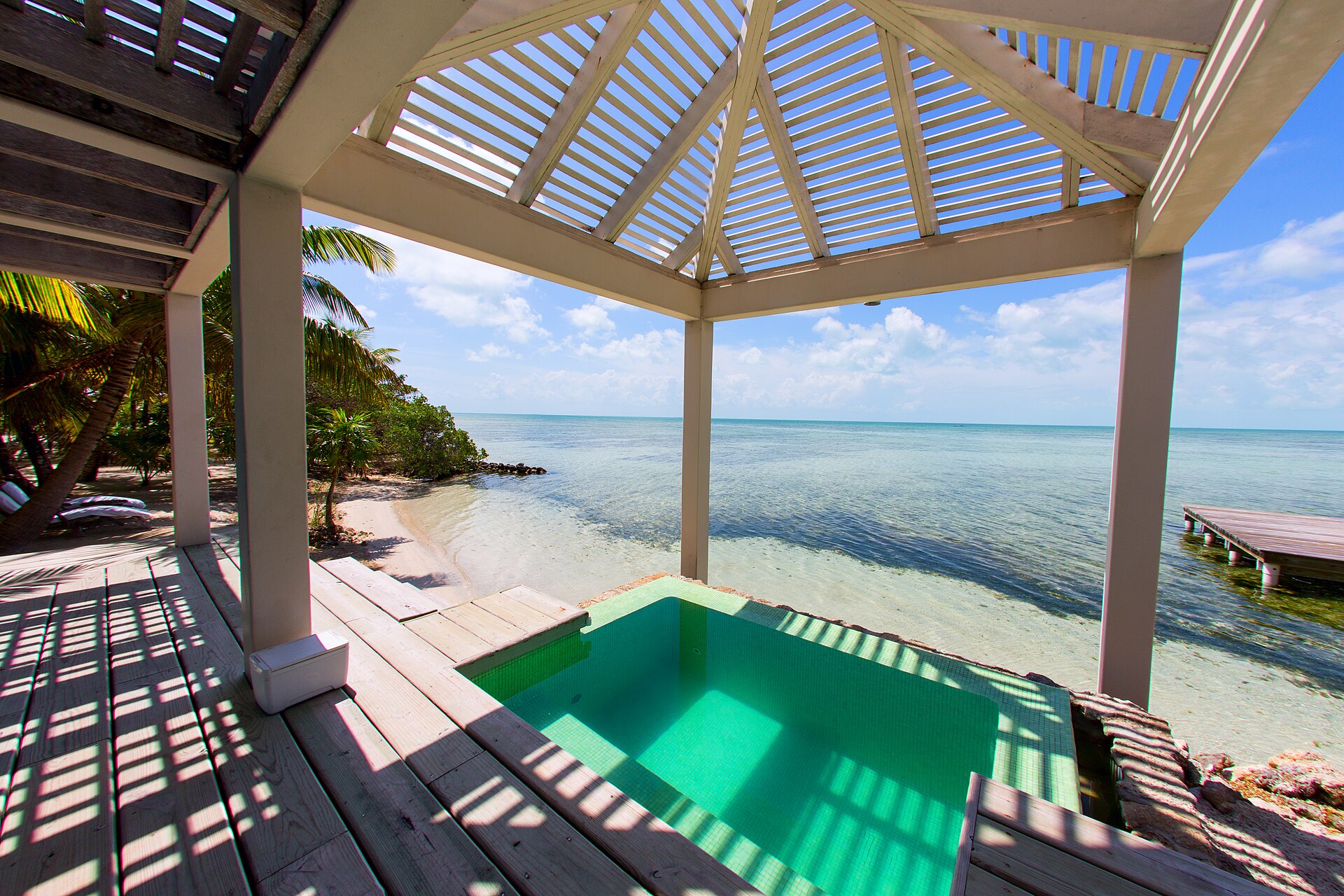
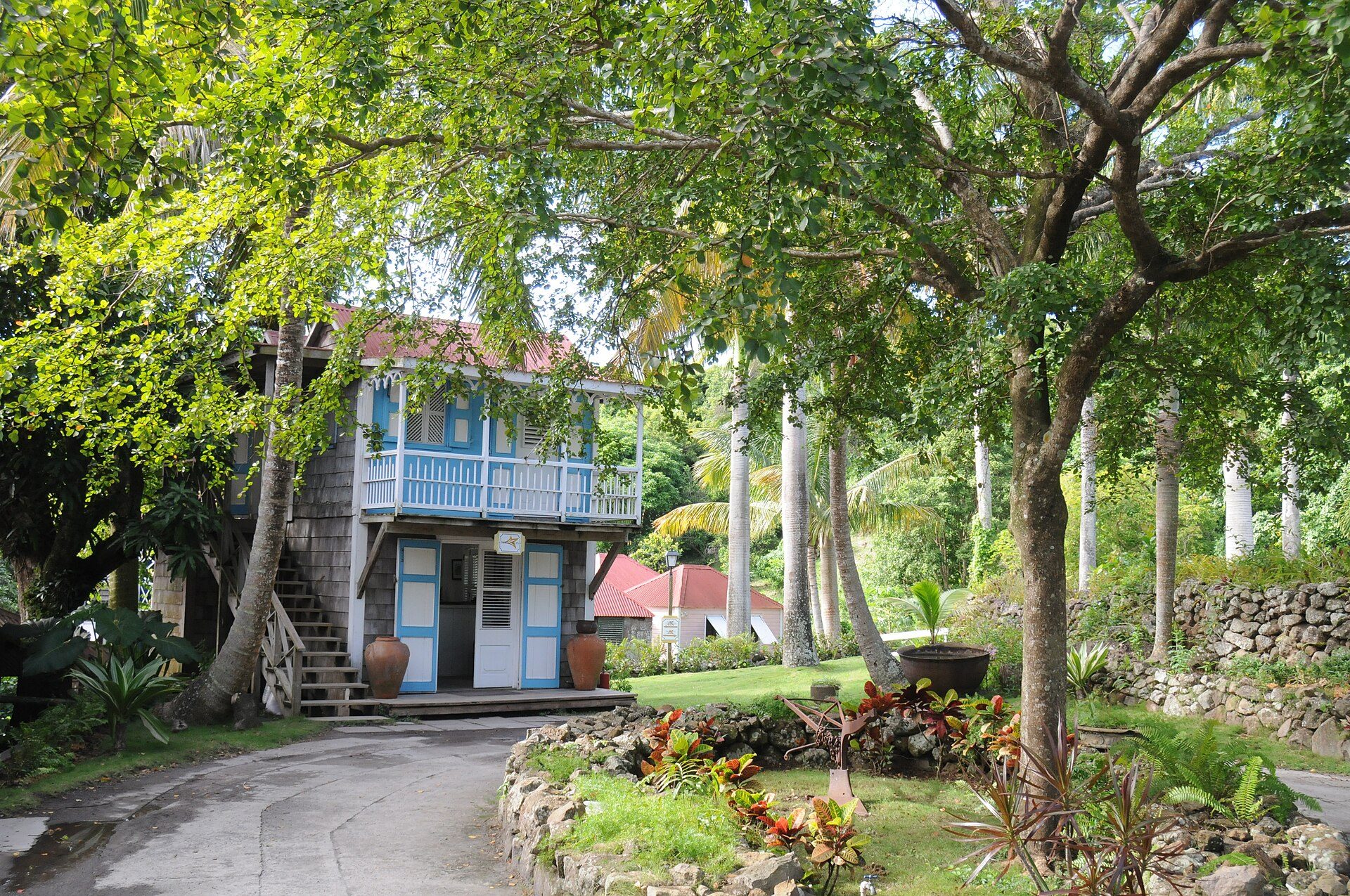
Caribbean chic began as a practical culture, not a brand. Long before the phrase existed, island life had solved the problem of heat and beauty at once: houses that opened to the breeze, verandas between indoors and out, shutters instead of curtains, furniture of cane and hardwood, clothes of cotton and linen that tolerated both noon and evening.
The qualities that define the look, whitewash and bright paint, dark wood against white cloth, ceiling fans, the deliberate mixing of grand and simple, were island vernacular first. What the outside world later called effortless was, at home, simply how you lived.
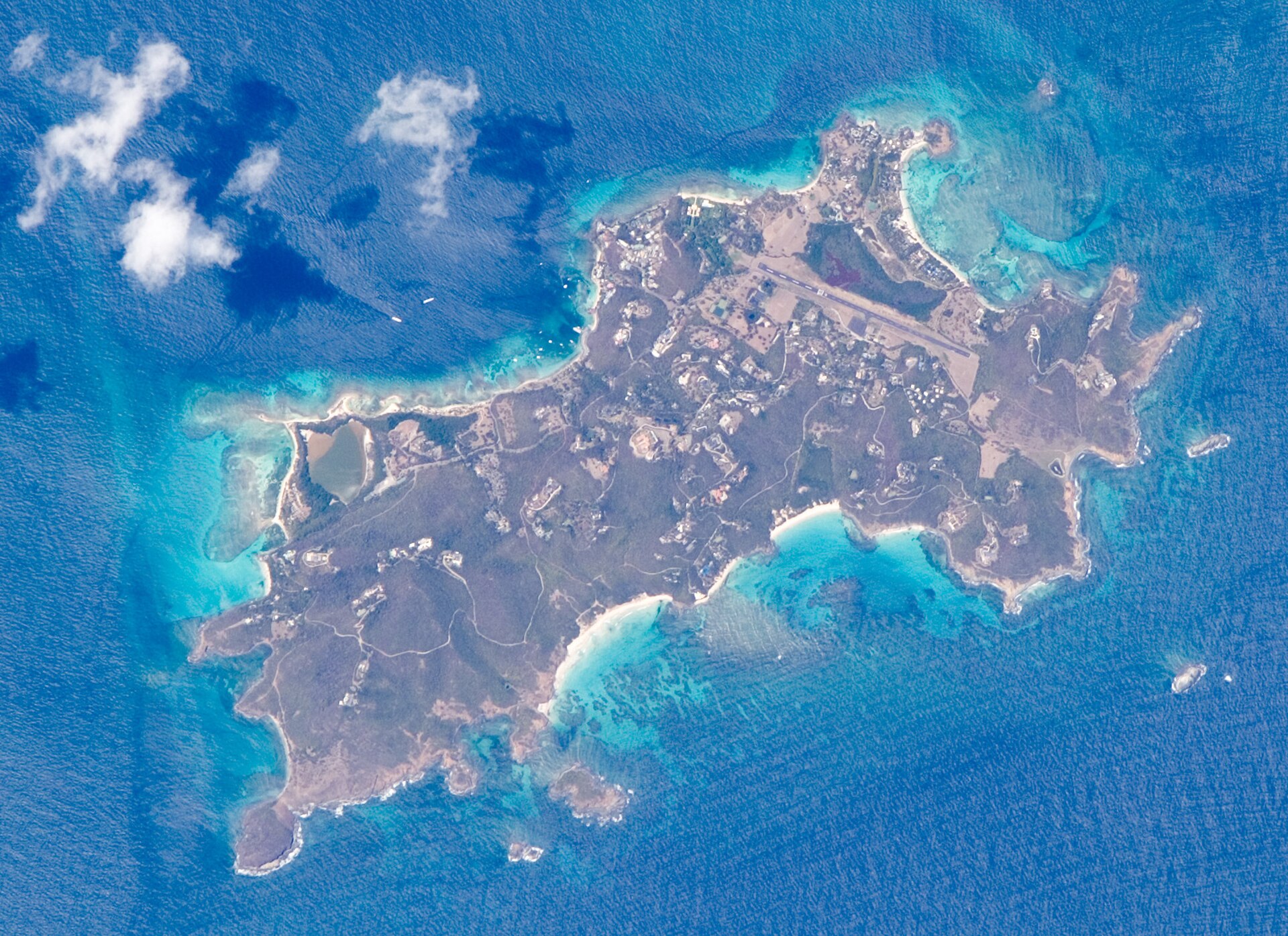
Photo: NASA/Tim Kopra, Wikimedia Commons, Public domain
The story: from hideaway to image
Mid-century, the region's private corners became a byword for a certain kind of escape: musicians, writers, film stars and aristocracy arriving in the small islands, photographed at ease in their lightest clothes, renting entire houses rather than hotel floors. The imagery travelled, private islands, barefoot dinners, straw hats, plain gold, and 'Caribbean' became shorthand for a style of escape rather than a place on a map.
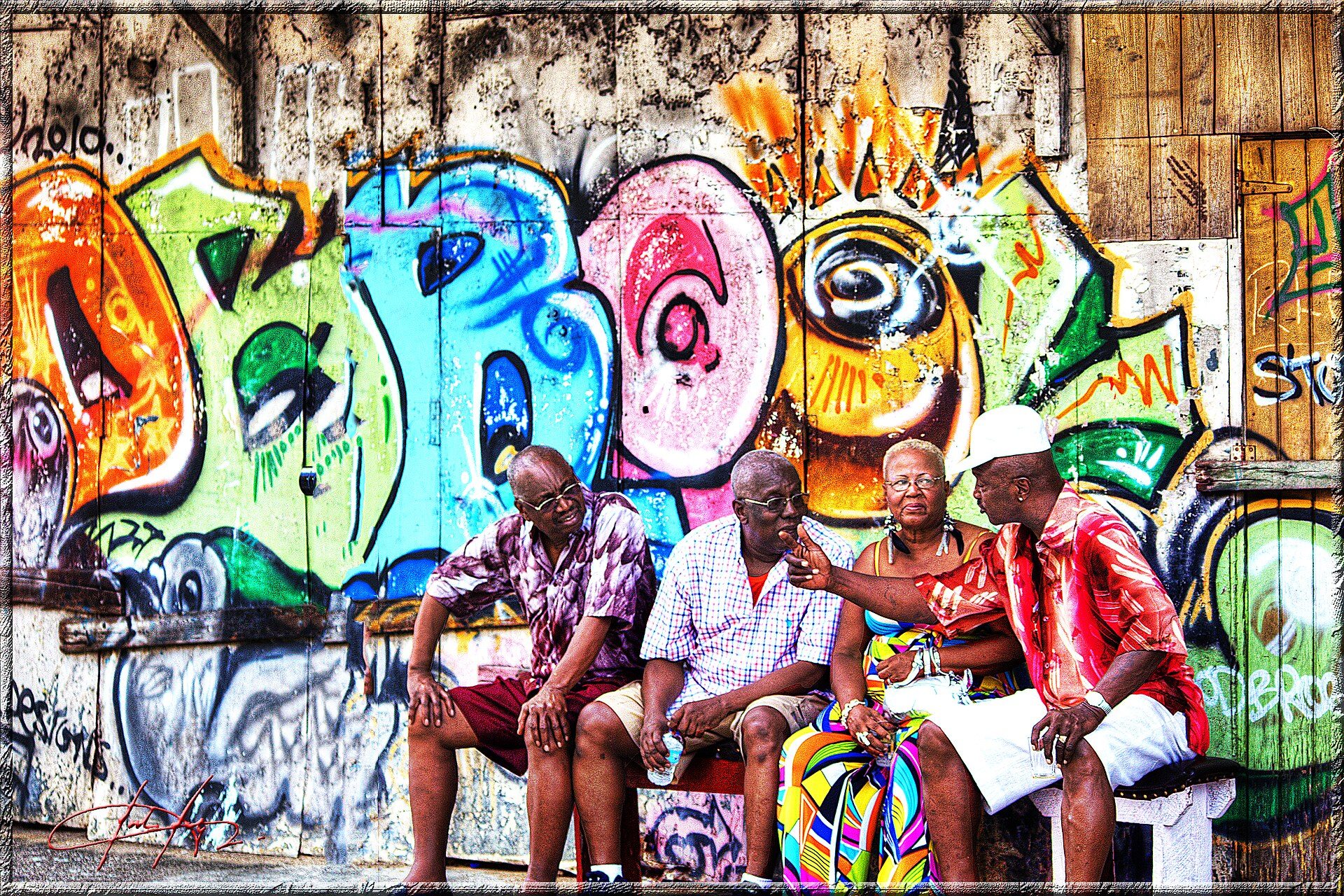
At the same time the region was exporting its own image through music and culture: carnival costume, dancehall and steelpan aesthetics, the colour and posture of island street style. The tension between those two threads, the quiet hideaway and the loud, joyful street, is exactly what makes Caribbean chic recognisable: restraint with rhythm underneath.
The impact: a design language the world adopted
Look at contemporary luxury travel and the region's fingerprints are everywhere. The indoor-outdoor villa, the boutique hotel with a rum bar and no lobby, linen as formal wear, rattan and teak in city apartments, all circulate now as global design language, and all were articulated in the Caribbean first.
Its deeper impact is on the idea of luxury itself. The region helped shift prestige from opulence to ease: from what is shown to what is unhurried. The modern premium, space, privacy, authentic local material, staff who feel like family, was prototyped in island houses and small hotels decades before the rest of the industry wrote it into its brochures.
And the influence runs back the other way. The contemporary Caribbean design scene, architects, hoteliers and makers across the islands, now reclaims the vocabulary on its own terms, building a chic that is regional by origin and authorship, not just by borrowing.
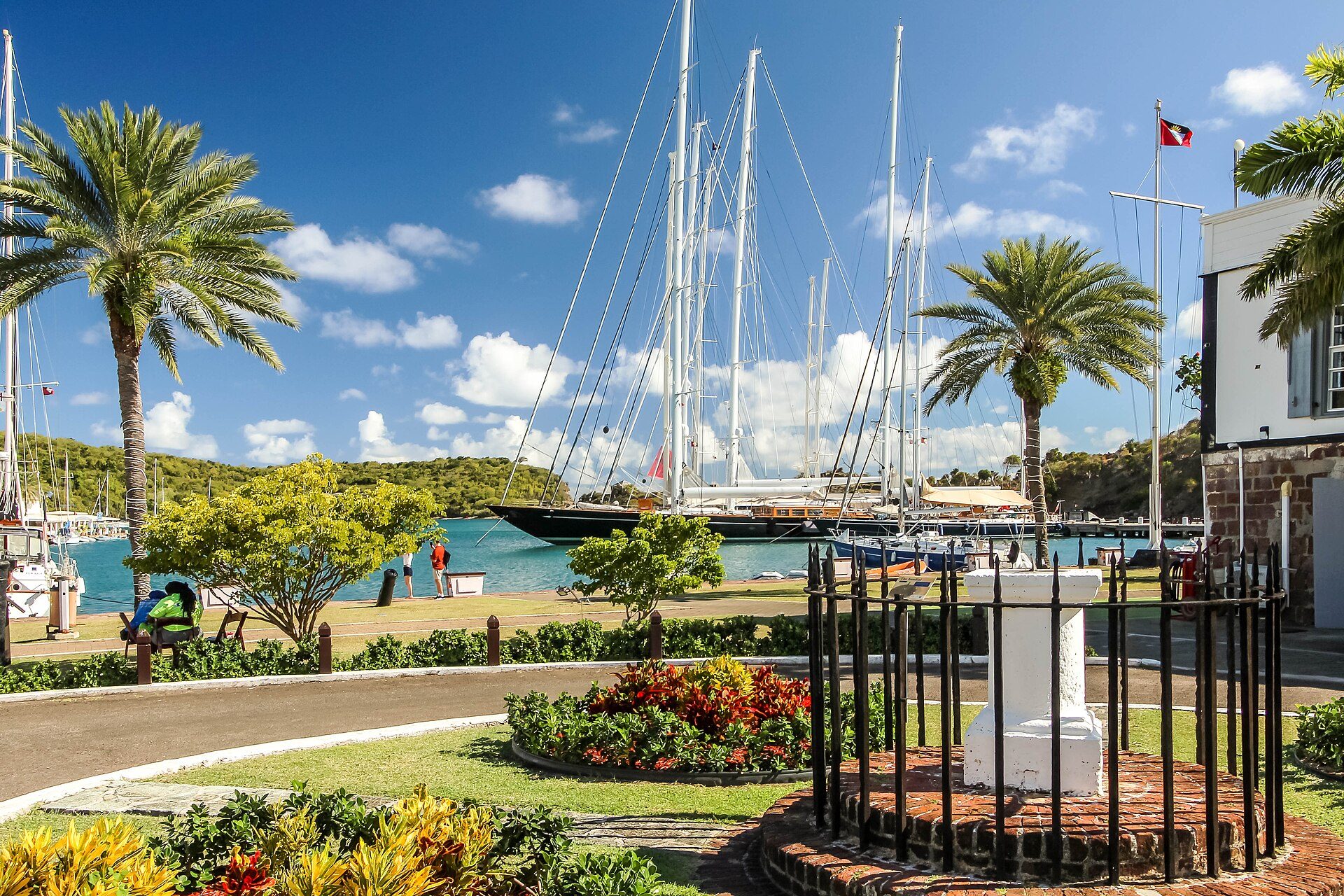
Photo: Dr. Thomas Liptak, Wikimedia Commons, CC BY 4.0

Photo: CaribDigita, Wikimedia Commons, Public domain
How to experience it properly
Caribbean chic is best consumed as it was made: in houses rather than hotels, at tables rather than through windows. Stay where the building breathes, eat where the island eats, wear the fabrics the climate asks for, and let the region's own designers, makers and hosts supply the detail.
The look was never the point, the ease was. Do the ease, and the chic arrives on its own.
Frequently asked questions
What defines Caribbean chic?
Ease and elegance combined: natural materials, light breathable clothing, indoor-outdoor living, whitewash and saturated colour, and a relaxed confidence that values unhurried time over display.
When did Caribbean chic become influential?
Its roots are the region's own architecture and dress, but its global influence grew from the mid-twentieth century, when the islands' private escapes and cultural exports, music, carnival, film, carried the aesthetic into worldwide imagery and design.
How can travellers experience Caribbean chic today?
Stay in properties built in the region's own idiom, great houses, breezy villas, small design-led hotels, dress in light natural fabrics, and favour local makers and hosts. The style is about how you spend the day, not what you display.
Independent CTT editorial. Not sponsored. Photo: David Broad, Wikimedia Commons, CC BY 3.0. Details such as schedules and prices change, please confirm with a CTT specialist before travelling.