In brief
What is Caribbean fashion inspiration?
Caribbean style is built for heat and life outdoors: breathable linen and cotton, saturated colour, madras and batik prints, gold jewellery with history, and carnival's costume art pushing the region's design onto global runways. Travellers borrow it by dressing for the climate in quality natural fabrics and one or two pieces made on-island.
Style built for the climate
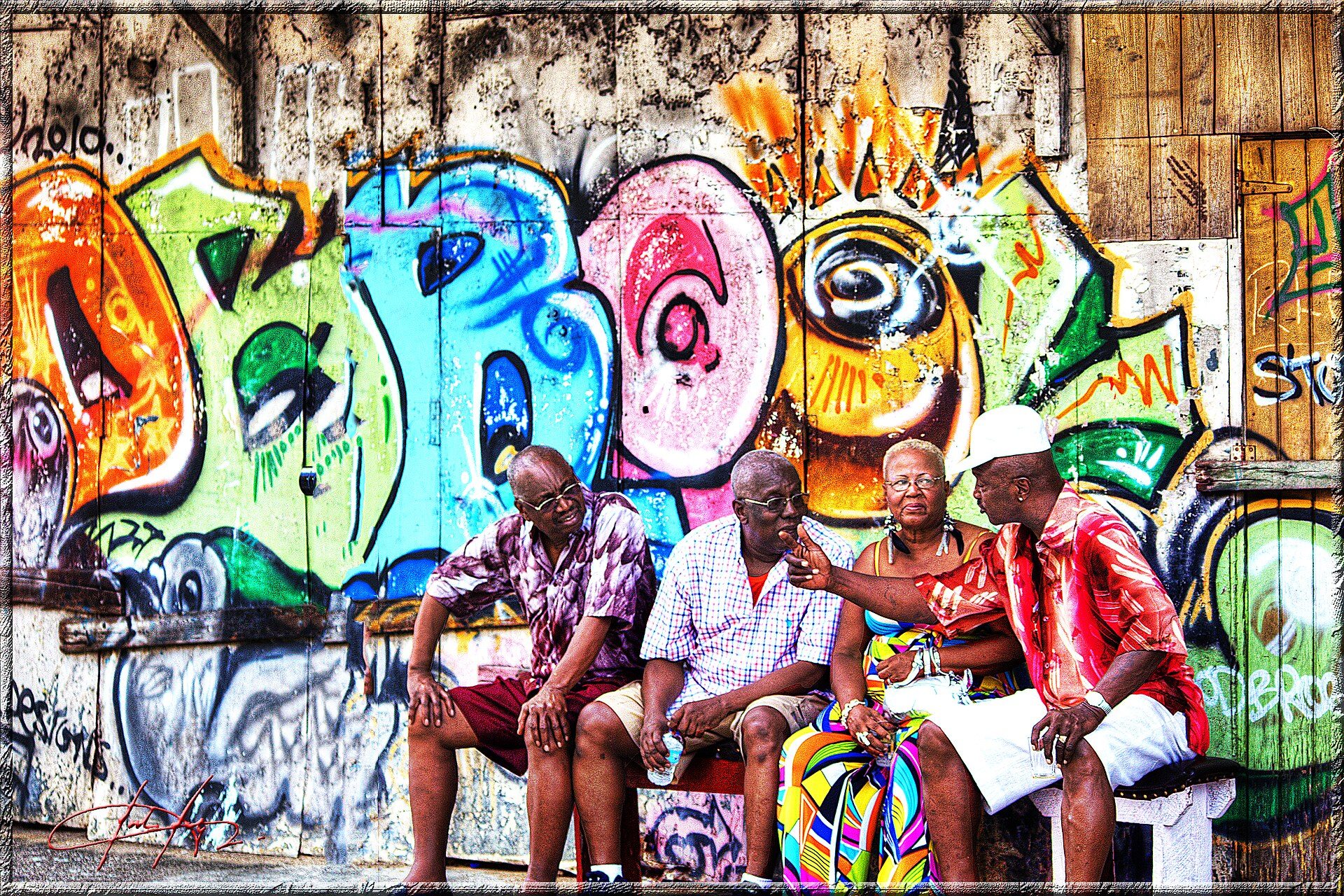
Caribbean fashion began as a practical answer the rest of the world arrived at late: loose cuts, natural fibres, colours that hold their own in strong light. The region's wardrobe logic, linen that breathes, cotton prints that wash and wear, sandals and simple gold that move from beach bar to dinner, is now the template the global resort-wear industry sells back to visitors.
The distinction worth keeping: the islands dress this way as daily life, not as a look. That ease is the thing most borrowed and most rarely copied well.
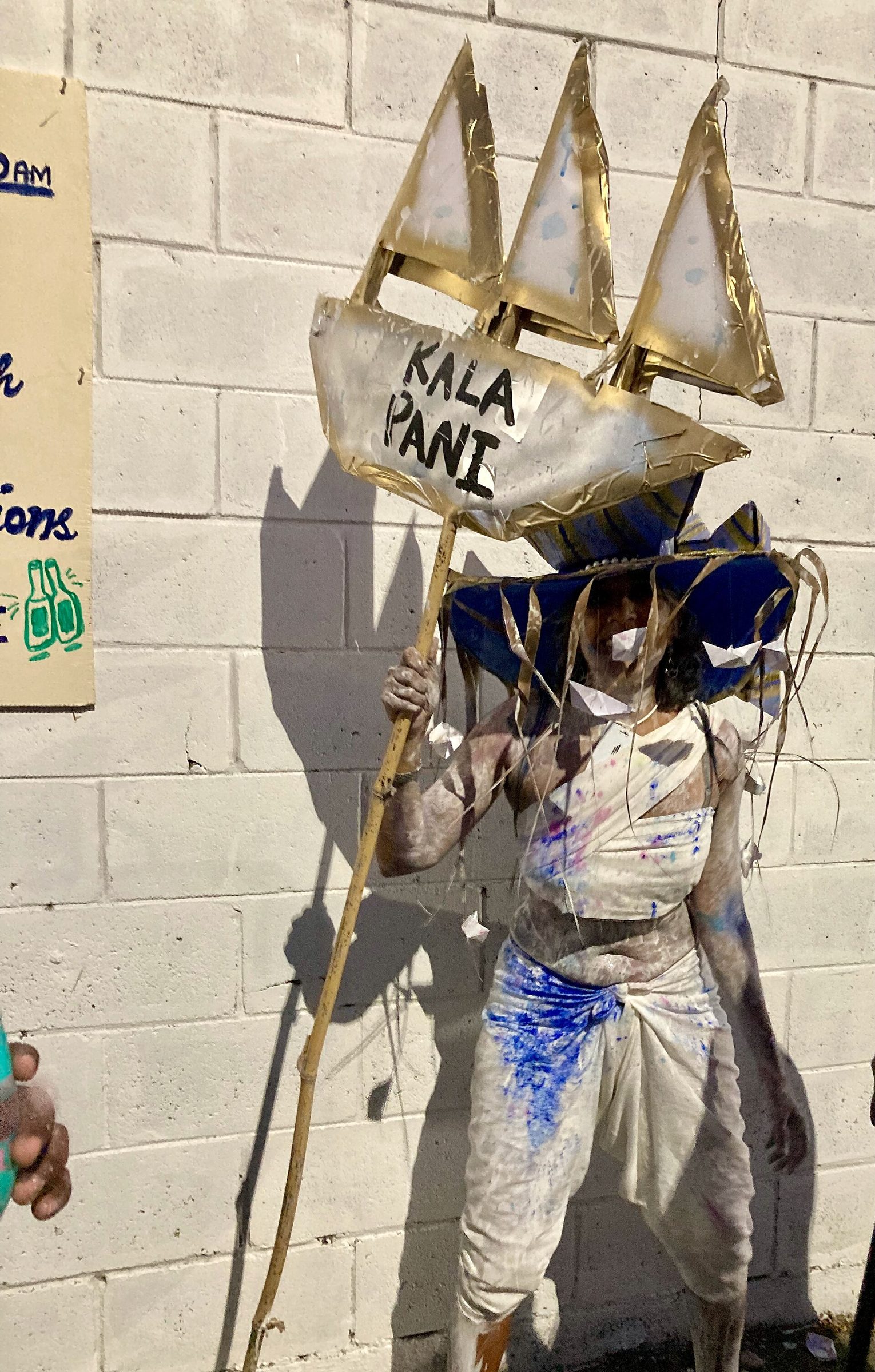
Photo: Trini.lise, Wikimedia Commons, CC0
The prints, and where they come from
The region's signature fabrics carry its history. Madras, the plaid of the Eastern Caribbean, arrived through trade routes and became formal wear, stitched into national dress across the Windward Islands. Batik and hand-printed cotton connect the region to West African and South Asian traditions. Jamaica's colours, and Trinidad's, read instantly to anyone who has stood in either crowd.
Carnival is the region's most ambitious fashion event: wire-bent wings, feathers, sequins and body paint designed at couture level of effort, and increasingly a pipeline into global design, Caribbean carnival aesthetics now surface everywhere from festival stages to major runway collections.
The designers, and shopping the islands
Every significant island supports working designers, swimwear and resort labels in Barbados and Saint Lucia, leather and raffia craft, jewellery from local goldsmiths, and a growing set of names showing Caribbean design internationally. The best pieces travel home with the story attached: who made them, and where.
Shopping the region rewards the same instinct as its food, skip the airport rack. Seek out designers' own shops, craft markets with makers present, and the handful of ateliers that still cut madras and batik by hand.
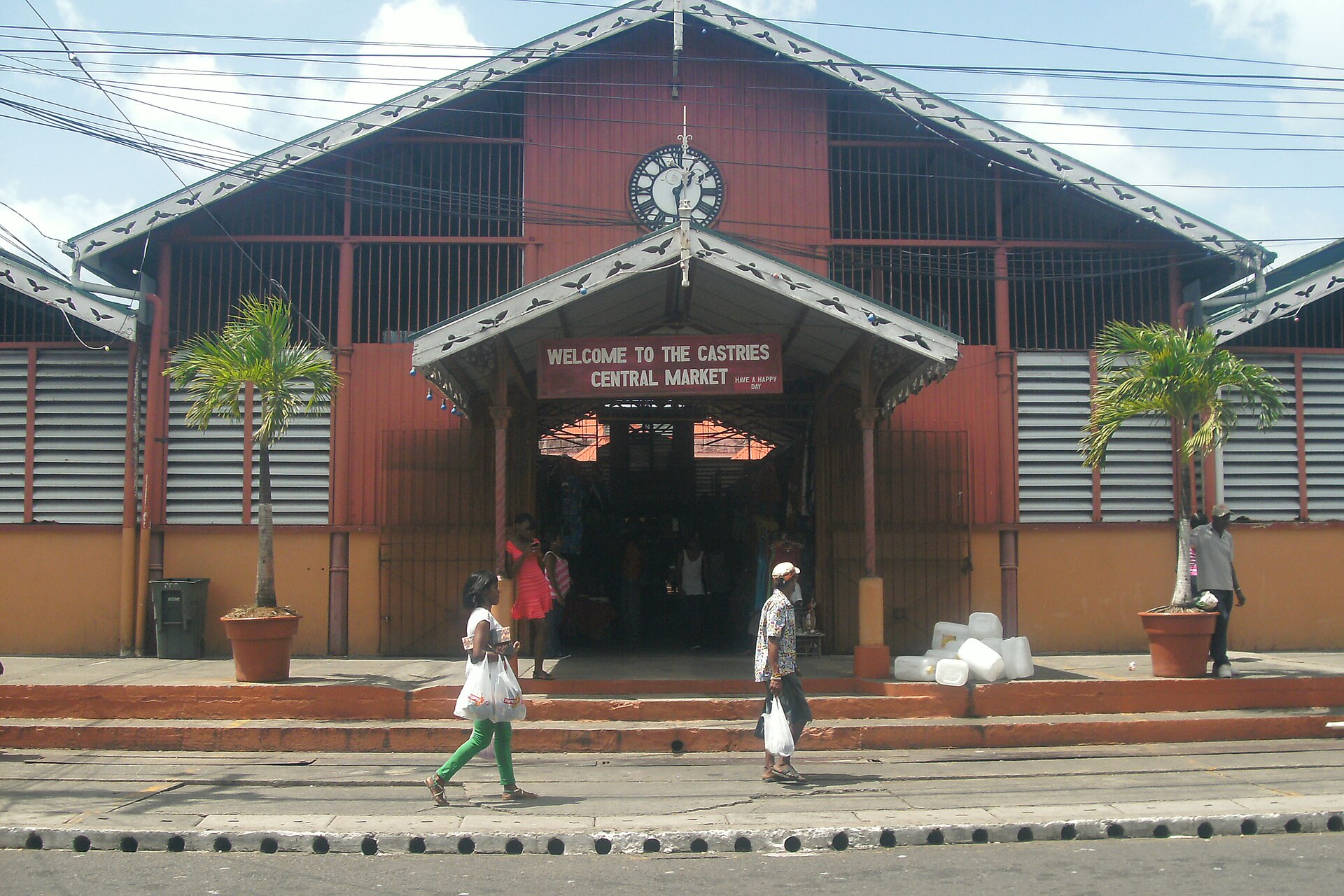
Photo: Gene93k, Wikimedia Commons, CC BY-SA 3.0
How to dress the part
The respectful version of Caribbean-inspired dressing is simple: dress for the heat in quality natural fabrics, add colour where the region would, and let one on-island piece, a madras dress, a locally made shirt, a craftsperson's jewellery, carry the character. Leave the costume at home; the islands' style is ease, not paraphernalia.
And pack for the evenings: the region dresses up for dinner and carnival-season events more than visitors expect, and a long linen dress or a pressed shirt will see more use than a third pair of shorts.
Frequently asked questions
What should we wear in the Caribbean?
Lightweight natural fabrics, linen and cotton, in loose cuts, with comfortable sandals and a layer for air-conditioned interiors. Most islands dress smart-casual for dinner, and modest dress is expected away from the beach in some communities.
What is madras, and why does it matter in the Caribbean?
Madras is the checked cotton fabric that became the Eastern Caribbean's traditional dress cloth, worn at festivals and formal occasions across the Windward Islands. It arrived through historic trade routes and is now a proud marker of regional identity.
Can we buy Caribbean designer fashion as a visitor?
Yes, most islands have designer boutiques and craft studios open to visitors, and carnival-season pop-ups expand the offering. Buying directly from designers and makers is the best way to take home genuine regional design.
Independent CTT editorial. Not sponsored. Photo: Mark Morgan, Wikimedia Commons, CC BY 2.0. Details such as schedules and prices change, please confirm with a CTT specialist before travelling.