In brief
Why visit Saint Lucia?
Saint Lucia pairs the Pitons and rainforest with intimate hillside hotels, Creole cooking and excellent coastal scenery. Stay near Soufrière for nature and romance, or in the north for restaurants, beaches and a more sociable evening.
Top sights
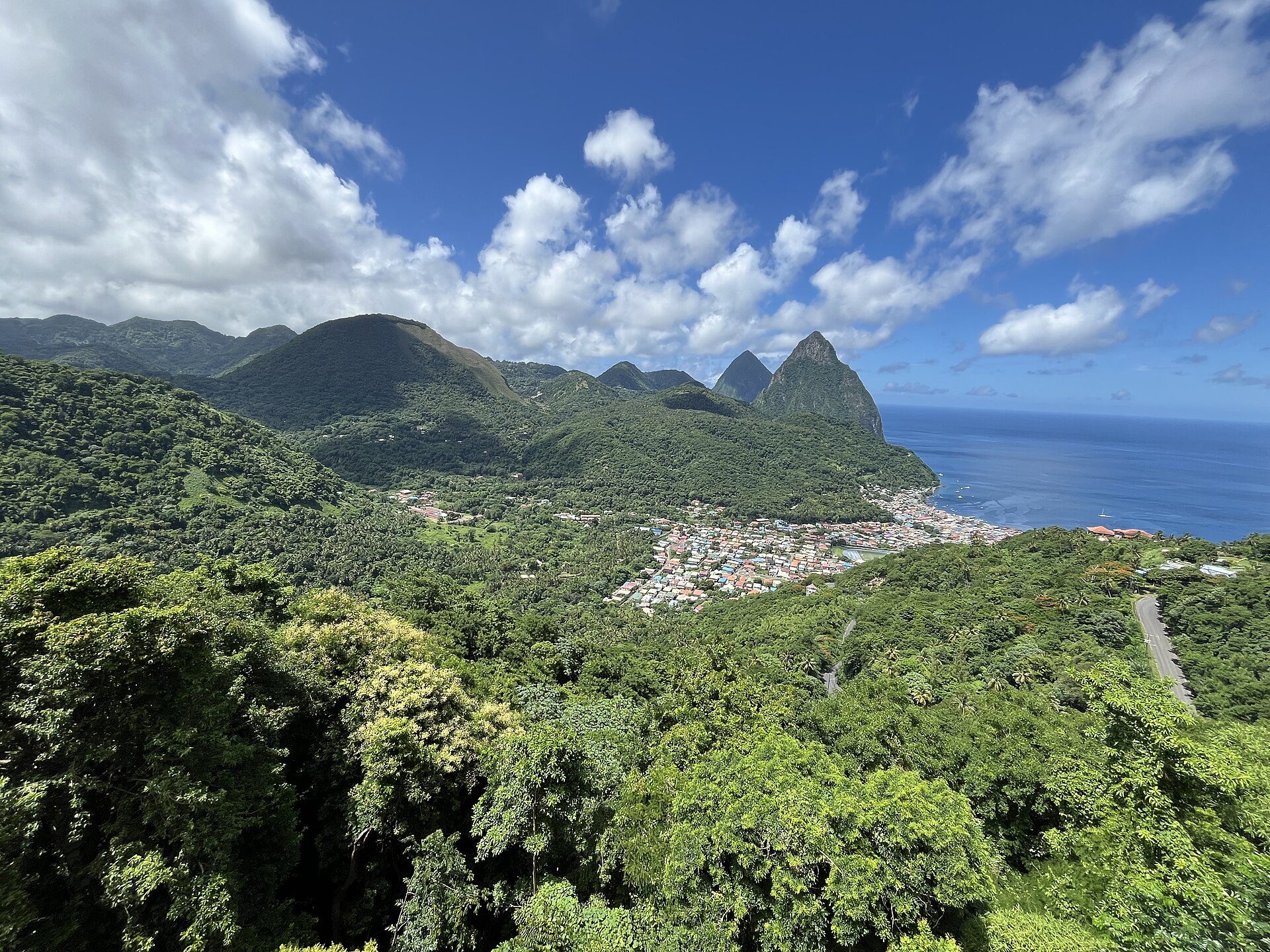
Start near Soufrière, where the Pitons rise above the Caribbean. The UNESCO-listed Pitons Management Area is the island's defining landscape, best appreciated from a boat as well as from the hills.
Visit Sulphur Springs for the geothermal landscape and organised mud baths, then Diamond Falls Botanical Gardens for tropical planting and a mineral-stained waterfall. For a gentler walking day, Tet Paul Nature Trail puts the peaks in perspective without committing you to a mountain ascent.
In the north, Pigeon Island National Landmark combines military ruins, coastal paths and views over Rodney Bay. Leave time for Castries Market, too: the island makes more sense once you have seen what grows here.
- Must-see
- Pitons Management Area (UNESCO)
- Nature
- Sulphur Springs, Diamond Falls
- Walk
- Tet Paul Nature Trail
- Heritage
- Pigeon Island National Landmark
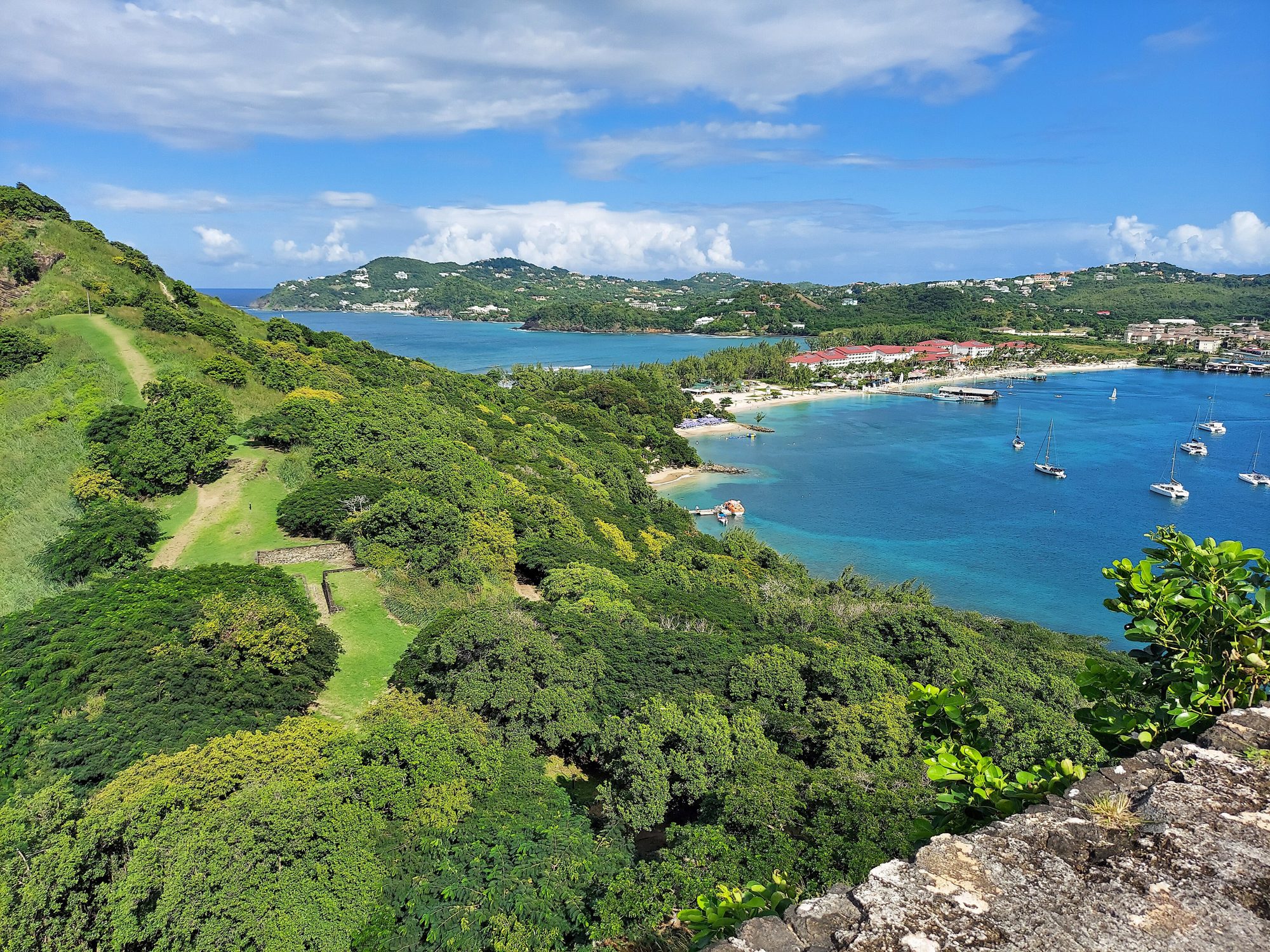
Photo: P. Hughes, Wikimedia Commons, CC BY-SA 4.0
Independent boutique hotels
Têt Rouge near Choiseul is an adults-only hillside retreat with sea-view suites and a quieter, more personal feel than a large resort. Choose it for slow breakfasts and access to the south-west, not for walking straight onto a beach.
Cap Maison at Cap Estate gives you a different version of small-hotel life: a northern coastal setting, thoughtful dining and Rodney Bay within reach. Its appeal is as much the food and wine as the accommodation.
Eco-minded stays
Fond Doux Eco Resort sets cottages among gardens on a working cocoa estate near Soufrière. It is locally owned, and the connection with growing and processing cacao is part of the stay rather than simply decorative planting.
We would choose it for the estate setting and local character, not promise that any holiday is impact-free. Ask about current conservation practices and arrange a cocoa experience with the team.
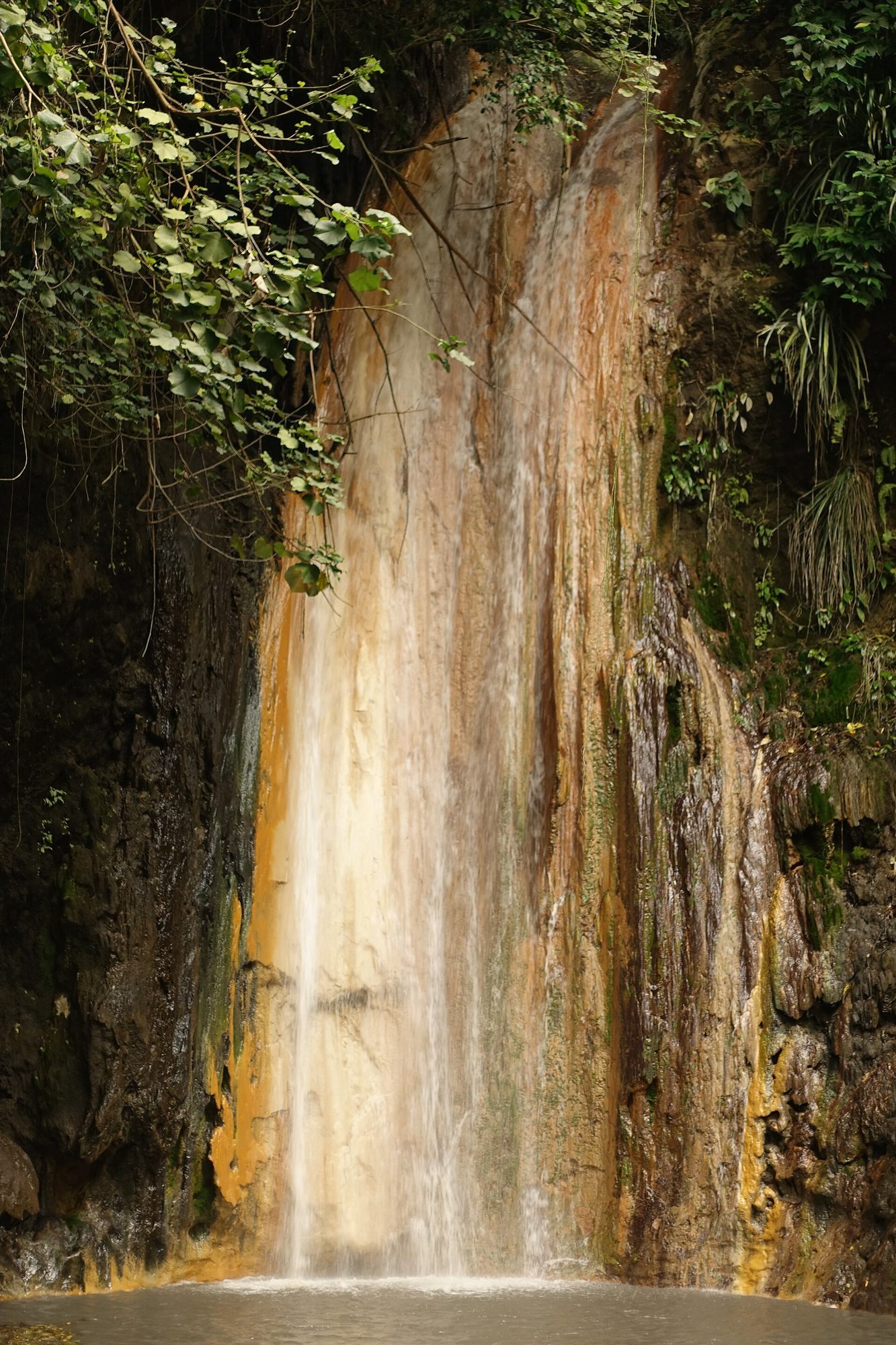
Photo: Chris Hunkeler, Wikimedia Commons, CC BY-SA 2.0
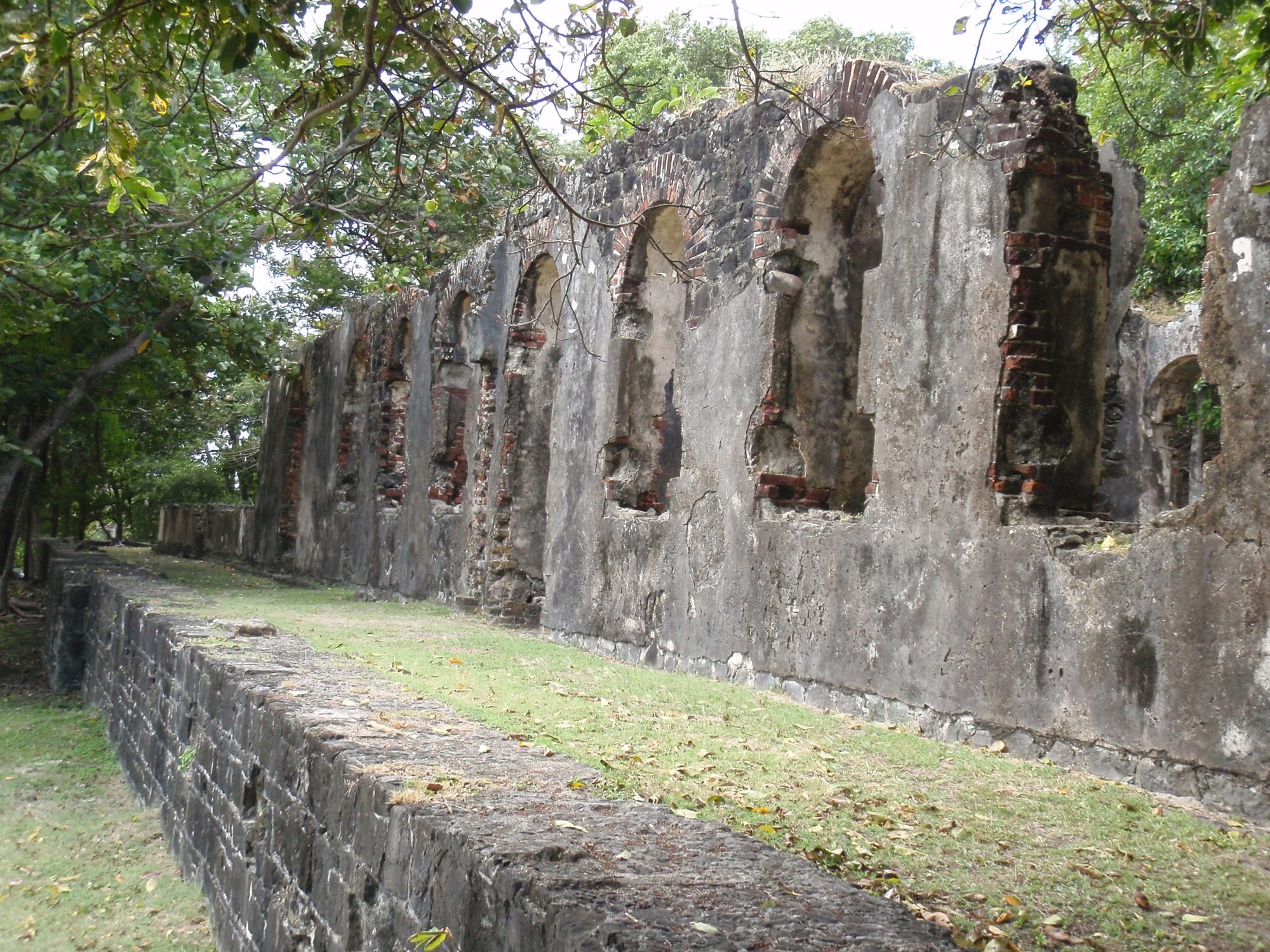
Photo: XeresNelro, Wikimedia Commons, CC BY-SA 4.0
Luxury
Jade Mountain looks towards the Pitons from above Anse Chastanet, with open-sided sanctuaries that make the landscape part of the room. Check the exact category carefully: not every sanctuary has a private pool.
Ladera offers another dramatic hillside address, with open-air suites above Soufrière. These are stays for travellers who actively want the sounds, air and atmosphere of the tropics, rather than a sealed-off hotel room.
The bar-hotel scene
Cap Maison is a good fit when dinner and a drink are part of the reason for choosing a hotel. The Cliff at Cap is the polished option; The Naked Fisherman below it is a relaxed beach setting rather than a formal dining room.
For more choice beyond your hotel, base yourself around Rodney Bay. Soufrière is better suited to a planned dinner and a driver home than an improvised late-night bar crawl.
Best experiences
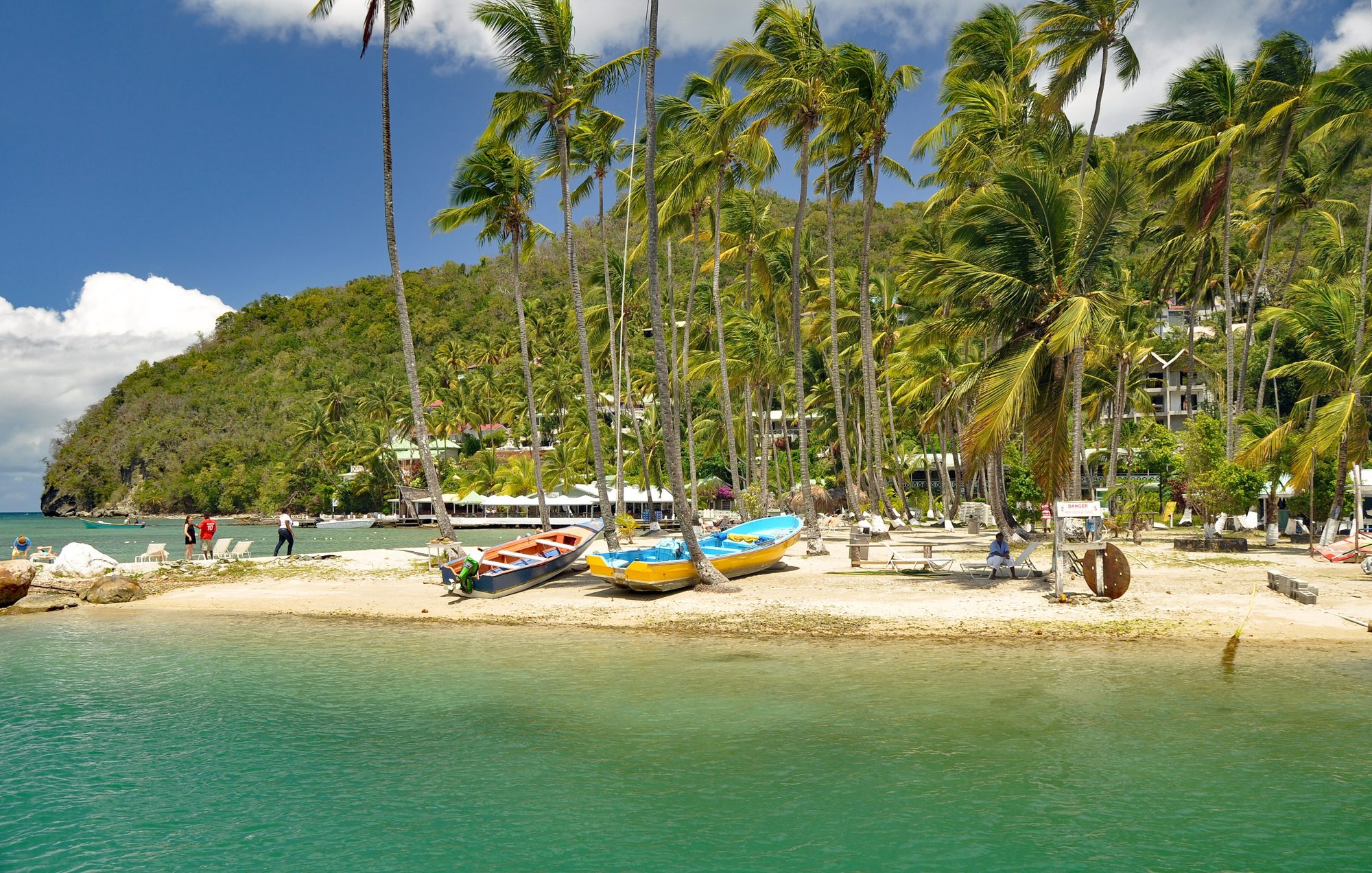
Take a boat along the west coast to see the Pitons from the water, then arrange snorkelling with an operator who understands the marine area's rules. Anse Chastanet and nearby Anse Mamin make an appealing coastal day.
If you want to climb Gros Piton, use an authorised local guide and be realistic about heat, steep ground and your fitness. Tet Paul is the better choice if you mainly want the view. A cocoa-estate visit adds a quieter, delicious counterpoint to the coast.
- On foot
- Guided Gros Piton hike or Tet Paul walk
- On the water
- West-coast sailing and guided snorkelling
- Taste
- Cocoa growing and chocolate making
Food you must try
Green fig and saltfish is the national dish: the figs are unripe bananas, served with seasoned salt cod. Try bouyon, a substantial one-pot soup, and bakes with saltfish for a more everyday introduction to island cooking.
Cocoa tea is a spiced cacao drink, not a conventional cup of tea. Ask what fruit is in season and leave room for locally made chocolate.
Top five local restaurants
Keep some meals simple. These addresses cover home-style lunches, Creole cooking and a beach café rather than a single formal restaurant circuit.
- Martha's Tables
- Near Soufrière, home-style Creole lunches
- Fedo's
- Soufrière, local plates and roti
- Flavours of the Grill
- Bois d'Orange, Creole cooking and grills
- Pink Plantation
- Castries hills, garden setting and Caribbean cooking
- The Reef Beach Cafe
- Vieux Fort, casual meals by Sandy Beach
Top five fine-dining restaurants
The most memorable special-occasion tables combine island ingredients with a setting worth arriving early for. Not all are formal: some of the best evenings are open-air and relaxed.
- Dasheene
- Ladera, Soufrière, elevated Saint Lucian cooking
- The Cliff at Cap
- Cap Estate, French-Caribbean dining above the sea
- Rabot Restaurant
- Rabot Estate, cacao-inspired cooking
- Orlando's Restaurant & Bar
- Soufrière, chef-led Caribbean dining
- The Coal Pot
- Castries, waterfront seafood and French-Creole cooking
Hidden gems
Spend time in Laborie, where the beach and village offer an alternative to a resort-led day. Around Choiseul, seek out local craft rather than treating the south simply as a transfer route.
Anse Mamin is not a secret, but it remains a lovely change of pace from a busy excursion schedule. Choose one unhurried coast day instead of trying to collect every waterfall.
CTT tips: why visit
Saint Lucia suits travellers who want both a proper landscape and a beautiful place to stay. The best itineraries make room for village life and Creole food alongside the headline views.
Frequently asked questions
Which part of Saint Lucia should I stay in?
Choose Soufrière for the Pitons and rainforest, or the north for beaches and restaurant choice. Split your stay if both matter, rather than driving between them daily.
Do I need a guide for Gros Piton?
Arrange an authorised guide and check conditions. It is a demanding climb, not a gentle viewpoint walk; Tet Paul is a less strenuous alternative.
What is green fig and saltfish?
Green fig means unripe banana, served with seasoned salt cod. It is the national dish, not a sweet fruit dessert.
Independent CTT editorial. Not sponsored. Photo: P. Hughes, Wikimedia Commons, CC BY 4.0. Details such as schedules and prices change, please confirm with a CTT specialist before travelling.