In brief
What is the art of the Caribbean?
Caribbean art spans living craft traditions, carnival costume, batik, pottery and woodcarving, alongside a contemporary scene of international standing, from Wifredo Lam and Edna Manley to Ebony G. Patterson and Tavares Strachan. Travellers experience it best by pairing the major galleries with the makers themselves: studio visits, mas camps, craft workshops and the streets where the work is painted and worn.
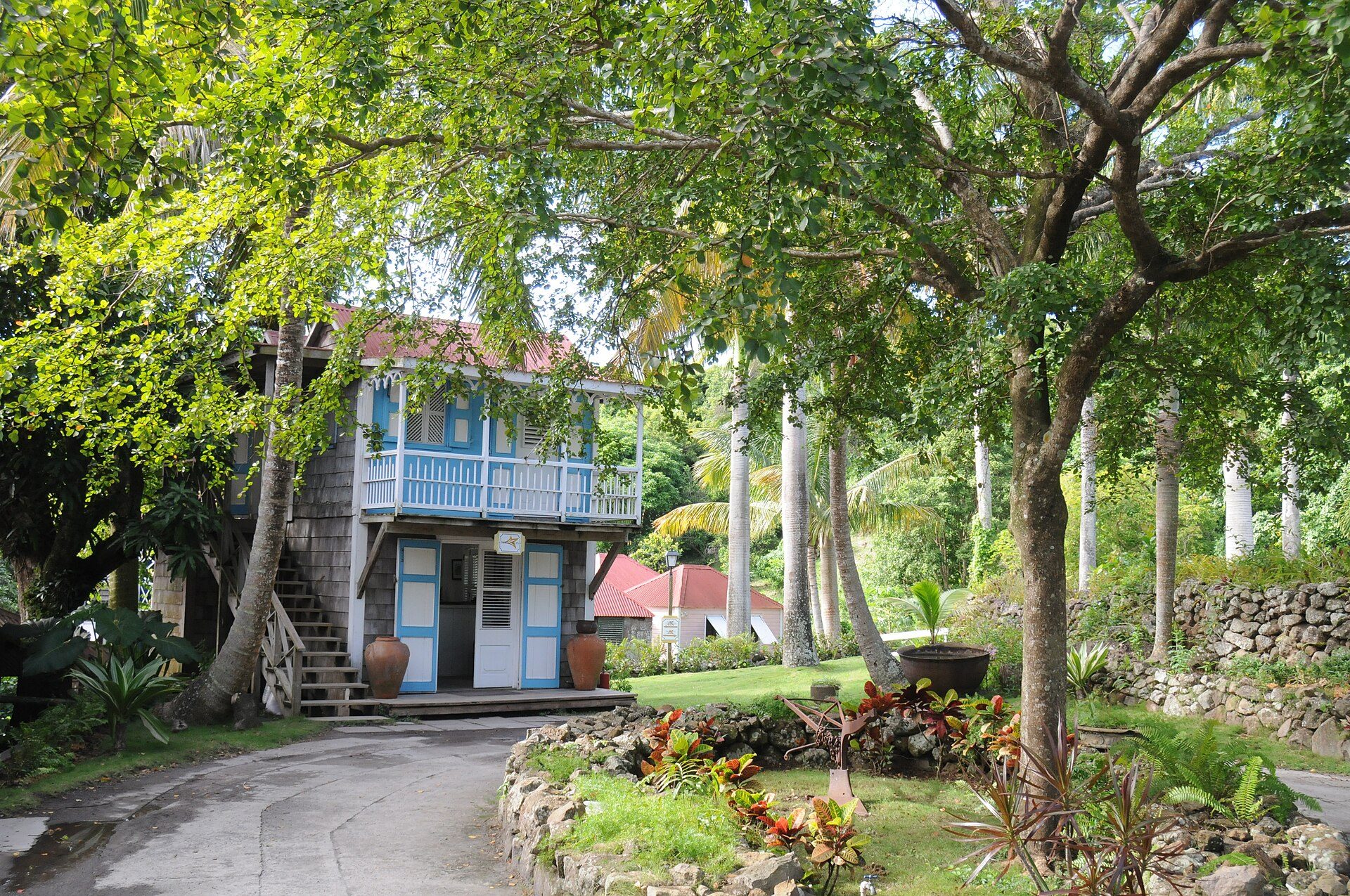
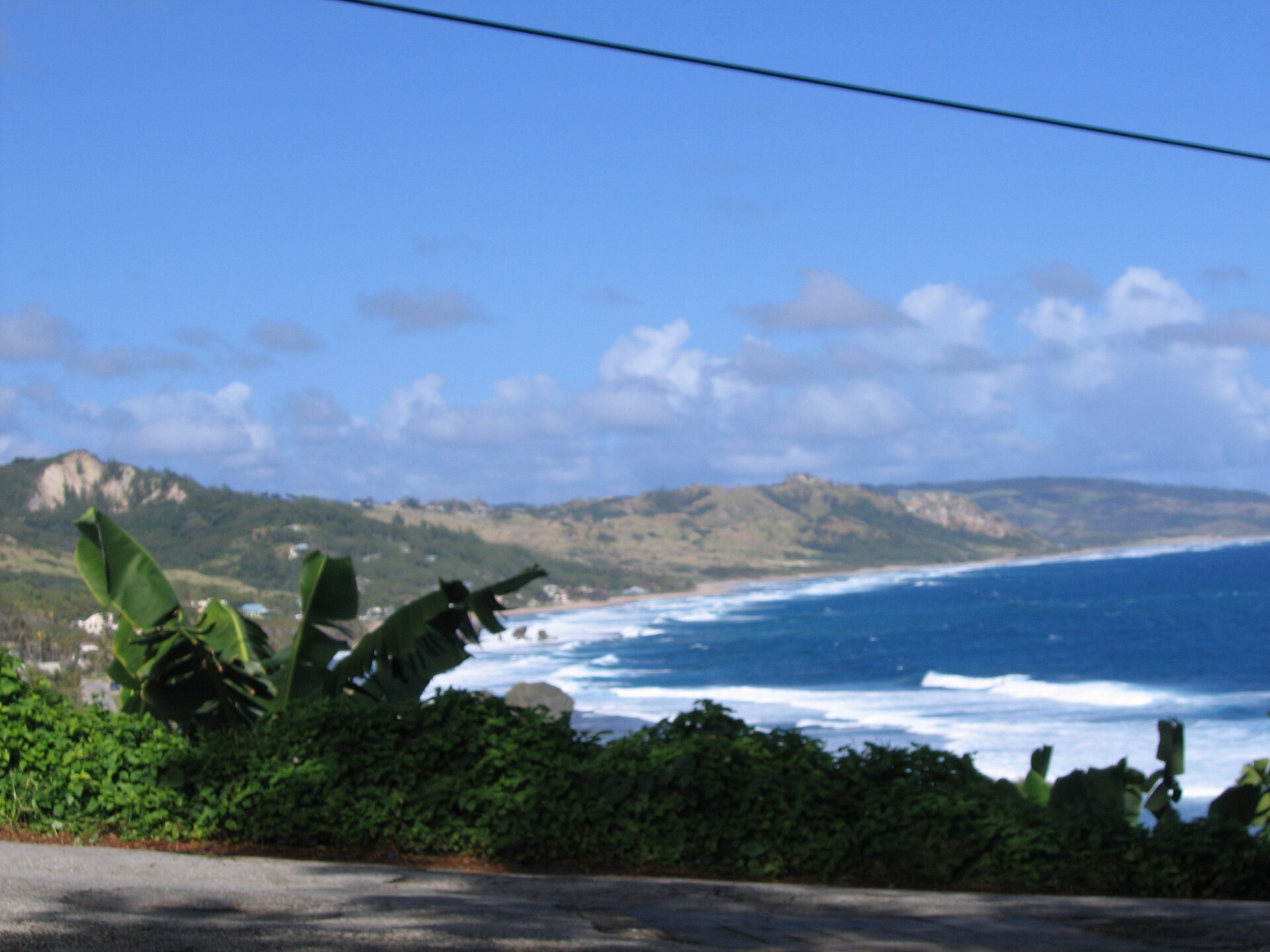
There is a Caribbean that can be experienced from a beach chair
And then there is the Caribbean found on canvas, carved into wood, shaped from clay, woven into fiber and painted boldly across walls.
This is the Caribbean telling its own story.
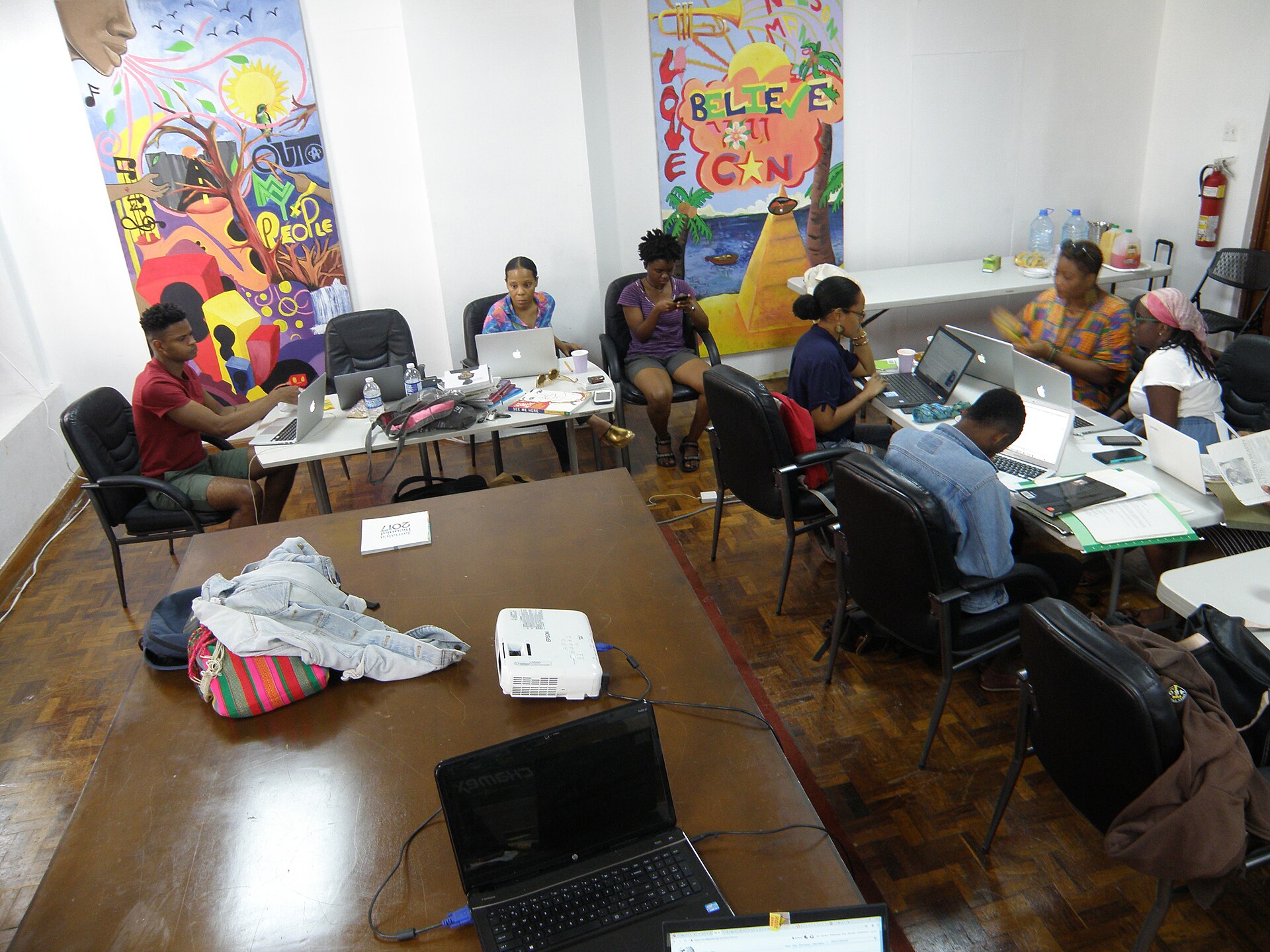
Photo: Dwayne Lyttle, Wikimedia Commons, CC BY-SA 4.0
Art that carries memory
Across the region, art has long been more than decoration. It carries memory. It records history. It preserves identity. It speaks of migration, resistance, spirituality, celebration, landscape and the complicated beauty of island life.
The value of looking
For the curious traveler, discovering Caribbean art offers something particularly valuable: a way to see a destination through the eyes of the people who call it home.
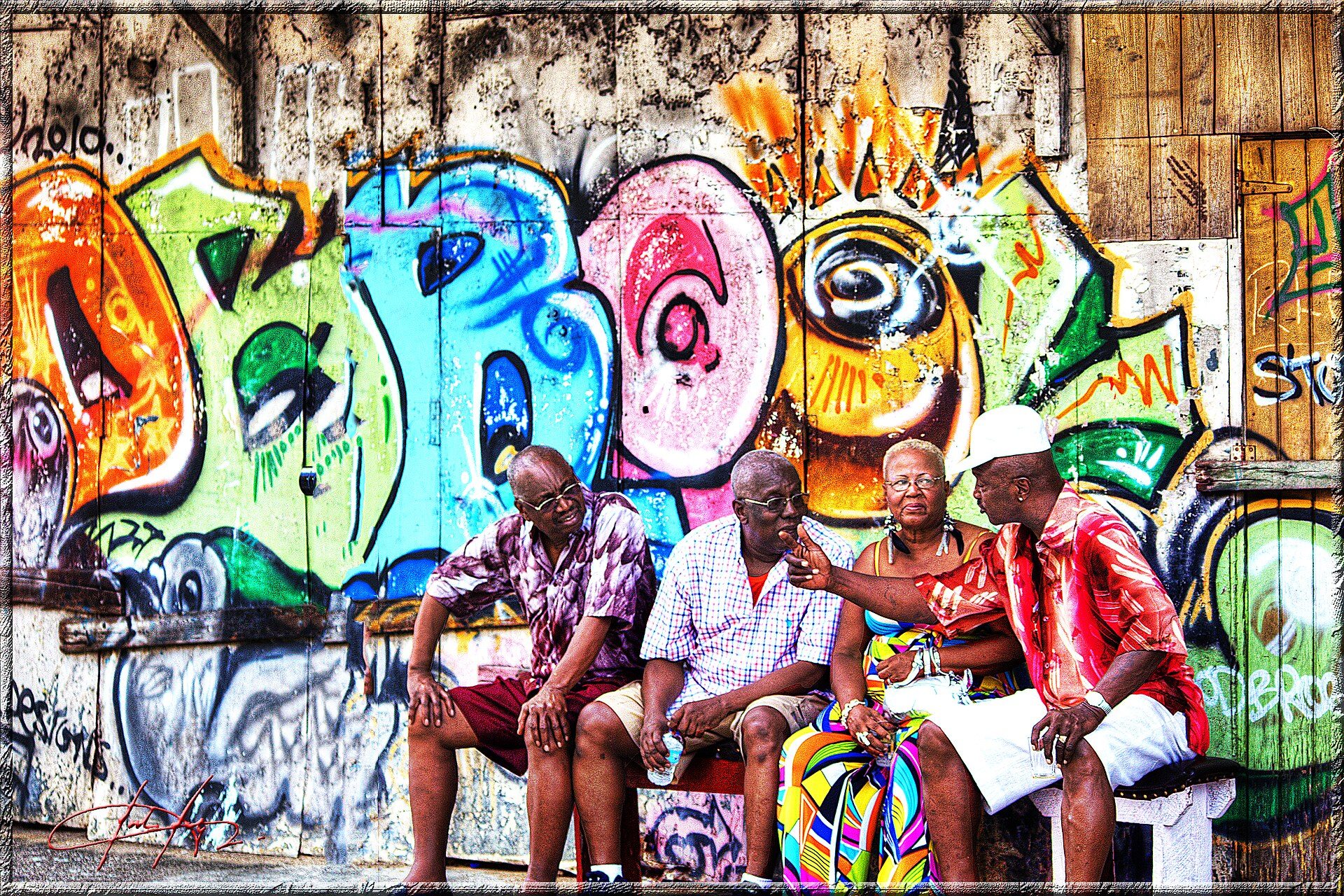
It is also the region's most complete self-portrait. African, European, South Asian and Indigenous influences have crossed in a small space for five hundred years, and the work that results is rarely restrained, saturated colour, strong line, humour alongside grief, with the boundary between fine art and daily life deliberately thin. A fishing boat's paintwork, a church's ironwork and the masks of a carnival troupe all belong to the same visual tradition as anything hanging in a gallery. To read the region's art, read the streets first.
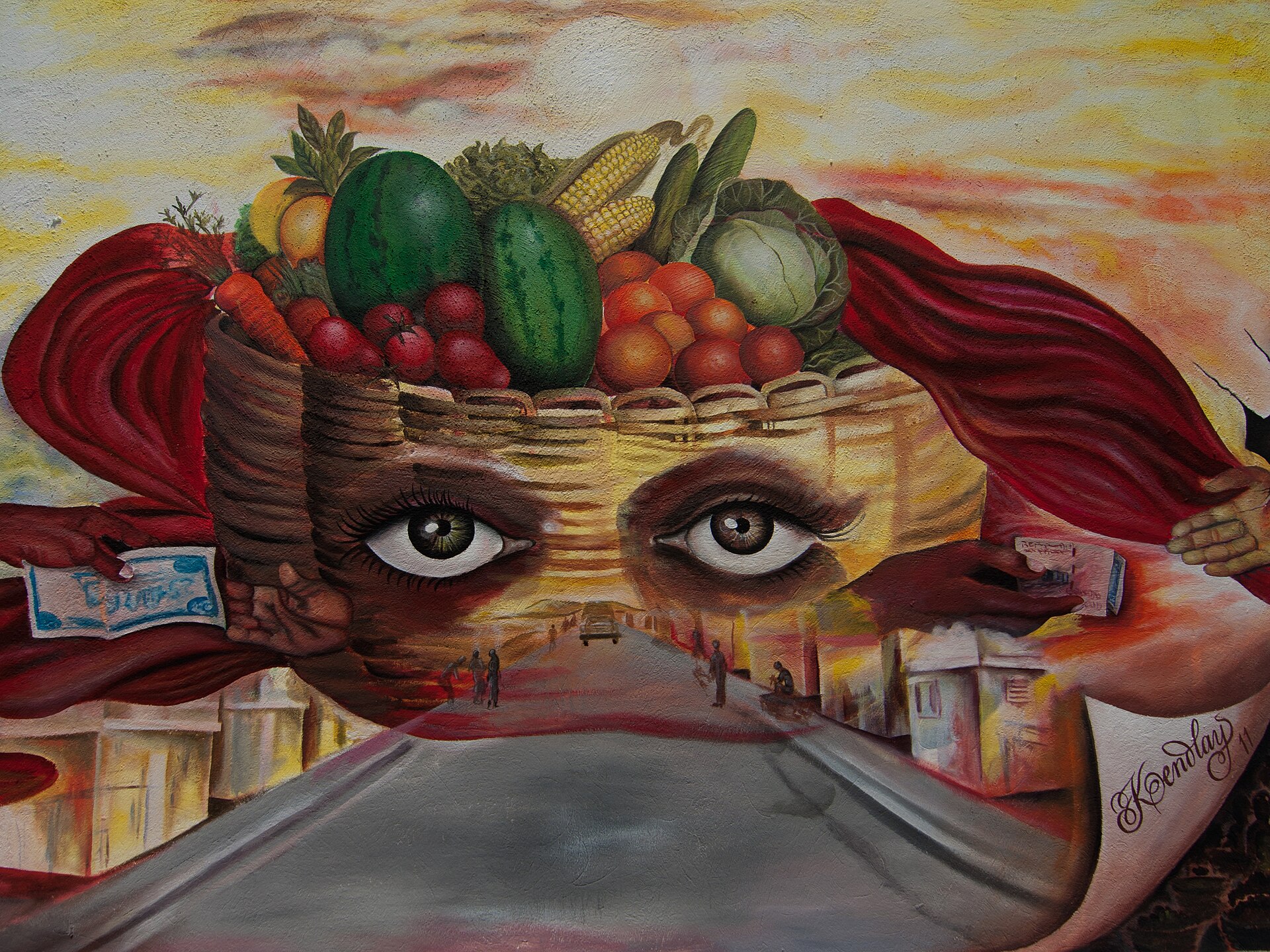
Photo: USAID U.S. Agency for International Development, Wikimedia Commons, Public domain
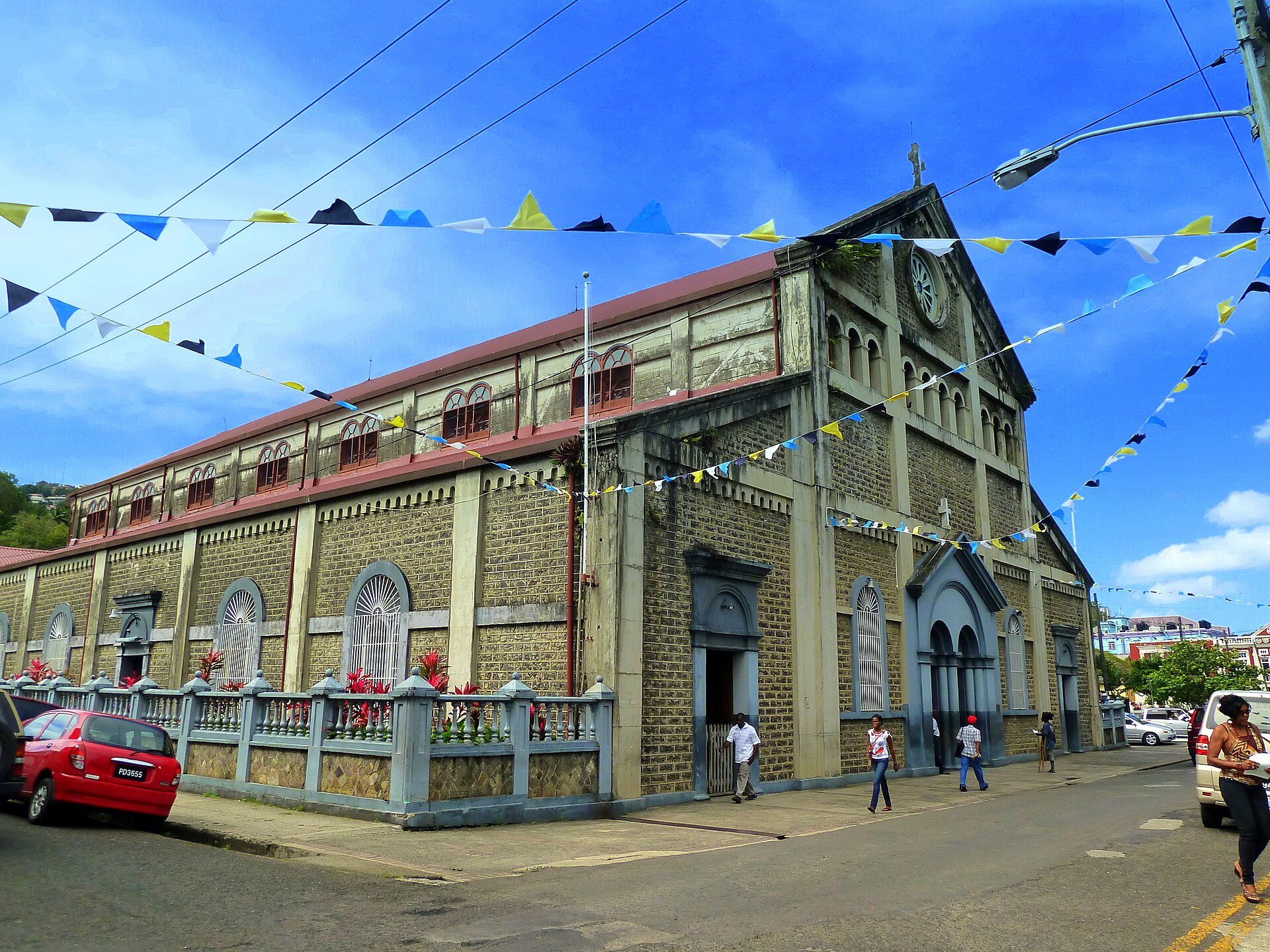
Photo: Edgar El, Wikimedia Commons, CC BY 3.0
The masters
Cuba's Wifredo Lam is the region's most famous painter: his monumental canvases, fusing European modernism with Afro-Cuban spirituality, hang in the world's great museums and confirmed early that Caribbean imagery belonged at the centre of modern art. Jamaica's Edna Manley, sculptor, teacher and widely called the mother of Jamaican art, gave the island's visual language its modern form, and the school in Kingston carries her name.
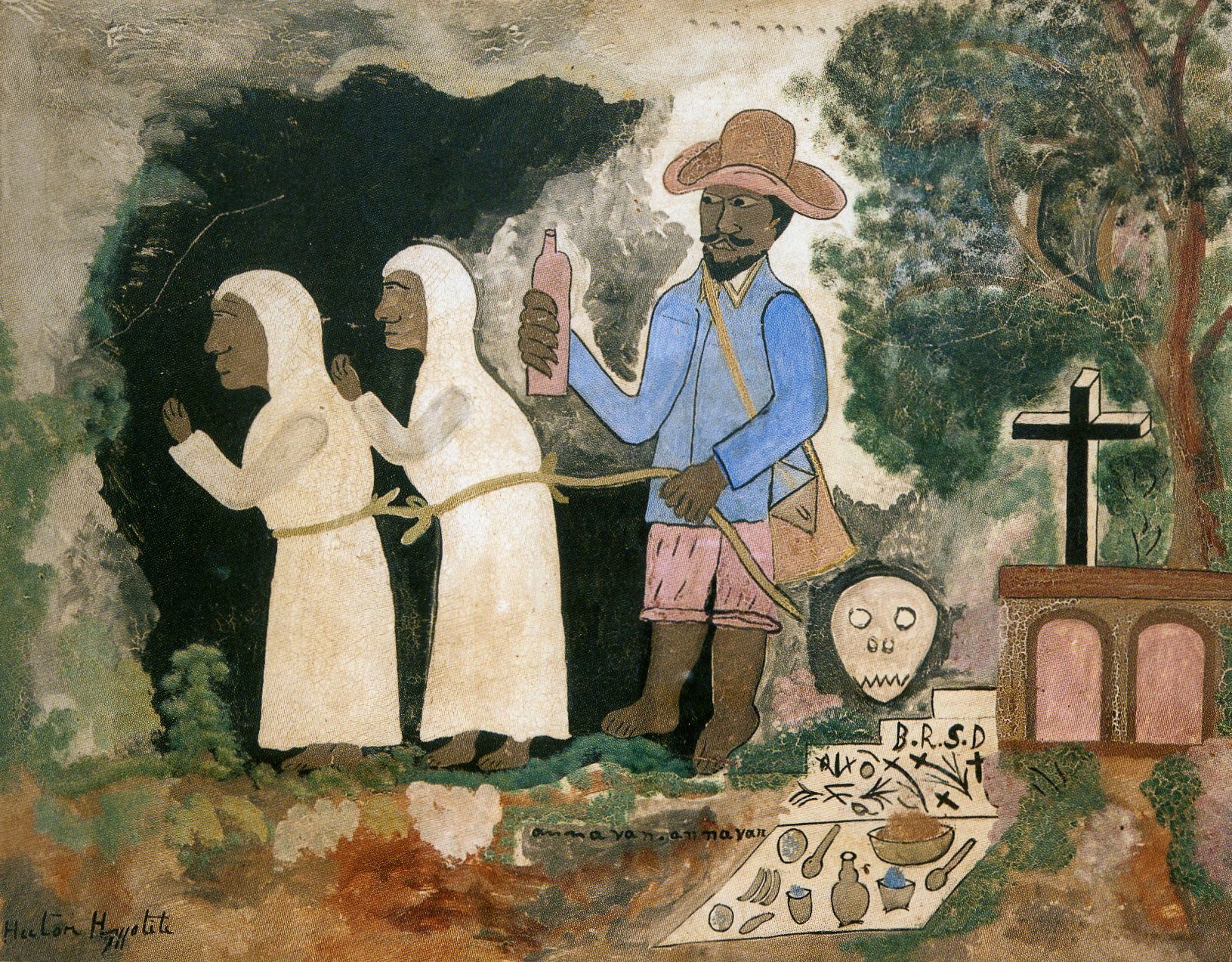
Haiti's contribution is foundational in its own way. Hector Hyppolite, a painter and vodou priest whose dense, visionary canvases made him the figurehead of Haitian art's extraordinary mid-century moment, remains the country's most celebrated artist; Philomé Obin chronicled daily life in Cap-Haïtien with a clarity that influenced generations. Guyana's Aubrey Williams carried the region's landscape and politics into large-scale abstraction from London. And in Saint Lucia, Dunstan St Omer painted his island's churches themselves, his murals showing Black and Caribbean figures in sacred scenes are among the region's most beloved public works.
Alongside them stand the self-taught masters at which the region excels: Jamaica's Intuitives, including Kapo and Everald Brown; the Bahamas' Amos Ferguson, whose paint-on-cardboard scenes of Bahamian life now command international attention; and Carriacou's Canute Caliste, who recorded the Grenadian Grenadines for seven decades. Barbados' Karl Broodhagen, Jamaica's Barrington Watson and the Dominican Republic's Guillo Pérez shaped three more national visual traditions.
The artists defining today
The region's most internationally visible artist is Jamaica's Ebony G. Patterson, whose tapestry-like works on blackness, beauty and mourning have anchored exhibitions at the Museum of Modern Art in New York and the Venice Biennale. The Bahamas' Tavares Strachan builds ambitious projects spanning science, exploration and Bahamian history while investing in the artists coming up behind him. Trinidad's Peter Minshall is the master designer of mas, his carnival bands defined the art form's modern scale, and his craft carried through to choreographing Olympic Games opening ceremonies.
Alongside them: Haiti's Edouard Duval-Carrié, whose luminous works reframe Haitian history from his Miami base; Cuba's Manuel Mendive, the great living figure of Afro-Cuban art; Guyana's Stanley Greaves, whose tableaux of Caribbean work and play run through half a century; Jamaica's Laura Facey, whose Redemption Song stands in Emancipation Park in Kingston; and Trinidad's Christopher Cozier, whose drawings and installations dissect the region's relationship with power and movement.
The craft traditions remain living art in their own right. Mas camps in Port of Spain, costume houses in Kingston and the pan yards where steelpans are sunk and tuned are working studios of the region's largest art form, and several welcome visitors, particularly in the carnival season's build-up.
The next generation
The most exciting work in Caribbean art right now often comes from artists either side of forty, many of whom move between the region and its diaspora. Firelei Báez, born in the Dominican Republic, has risen to major international attention with paintings that rework colonial archives into figures of Caribbean myth and power. The Bahamas' Lavar Munroe builds painterly constructions from the materials of memory; his countrywoman Cydne Jasmin Coleby works in collage and beadwork on faith, family and Bahamian identity.
Jamaica's Camille Chedda and Oneika Russell work across drawing, video and installation on heritage, race and image-making, while Trinidad's Rodell Warner photographs and builds against the grain of the archive. In Barbados, Annalee Davis pairs her own practice with Fresh Milk, the artist platform she founded, which has become a model for how the region funds and shows its younger artists.
The honest advice for travellers: the next generation is best met where it works, small galleries, artist-run spaces, open studios and the growing network of regional residencies and festivals. Ask any gallery on the major islands what their younger artists are doing; the answer is often the most memorable hour of an art day.
How to experience it well
Plan the art the way you would plan the food: one landmark institution for context, then the makers. The National Gallery of Jamaica in Kingston and its Barbadian and Trinidadian counterparts give the sweep; a mas camp, craft workshop or studio visit in the afternoon puts you in the room where the work happens; and an evening of the public art, murals, painted churches, architecture, a cultural centre's performance calendar, needs no ticket at all.
And time the trip where possible. The weeks before carnival, when mas camps are at full tilt, and each island's exhibition and festival season are when the region's art is at its most alive, not behind glass, but being made.
Frequently asked questions
Who are the Caribbean's most famous artists?
Wifredo Lam of Cuba and Edna Manley of Jamaica are the region's foundational names, alongside Haiti's Hector Hyppolite and Philomé Obin. Today, Jamaica's Ebony G. Patterson and the Bahamas' Tavares Strachan are among the most internationally prominent artists working from the Caribbean tradition.
Can travellers visit artist studios and craft workshops?
Yes, often, many studios welcome visitors by appointment, mas camps open their doors in the carnival build-up, and several islands run organised art walks and open-studio events. Specialist planning helps match visits to working artists whose practice interests you.
Which Caribbean islands have the strongest art scenes?
Jamaica, Barbados, Trinidad and Tobago, Cuba, Haiti and the Dominican Republic anchor the region's gallery scene, while Haiti, the Bahamas and the Windward Islands are renowned for craft and self-taught traditions. Nearly every island supports working artists worth seeking out.
Independent CTT editorial. Not sponsored. Photo: Painting: Hector Hyppolite, public domain, via Wikimedia Commons. Details such as schedules and prices change, please confirm with a CTT specialist before travelling.