In brief
What does luxury travel look like in the Caribbean today?
Increasingly, it is defined by access rather than amenities: crewed charters to quiet cays, tastings with the people who make the rum, dining where the food is actually grown, and cultural experiences opened by local relationships rather than brochure packages.
Redefining what luxury means
The Caribbean has no shortage of five-star rooms. What it cannot mass-produce is the experience of being somewhere few visitors go, hosted by people who actually live the culture. That is why seasoned travellers increasingly measure luxury in access: the size of the boat, the emptiness of the bay, the number of chairs at the table.
This shift suits the region well. The Caribbean's genuine treasures, a working cocoa estate, a fisherman's knowledge of a reef, a rum barrel kept for a special occasion, were never designed for tourism. They become available only through relationships, patience and the right introductions.
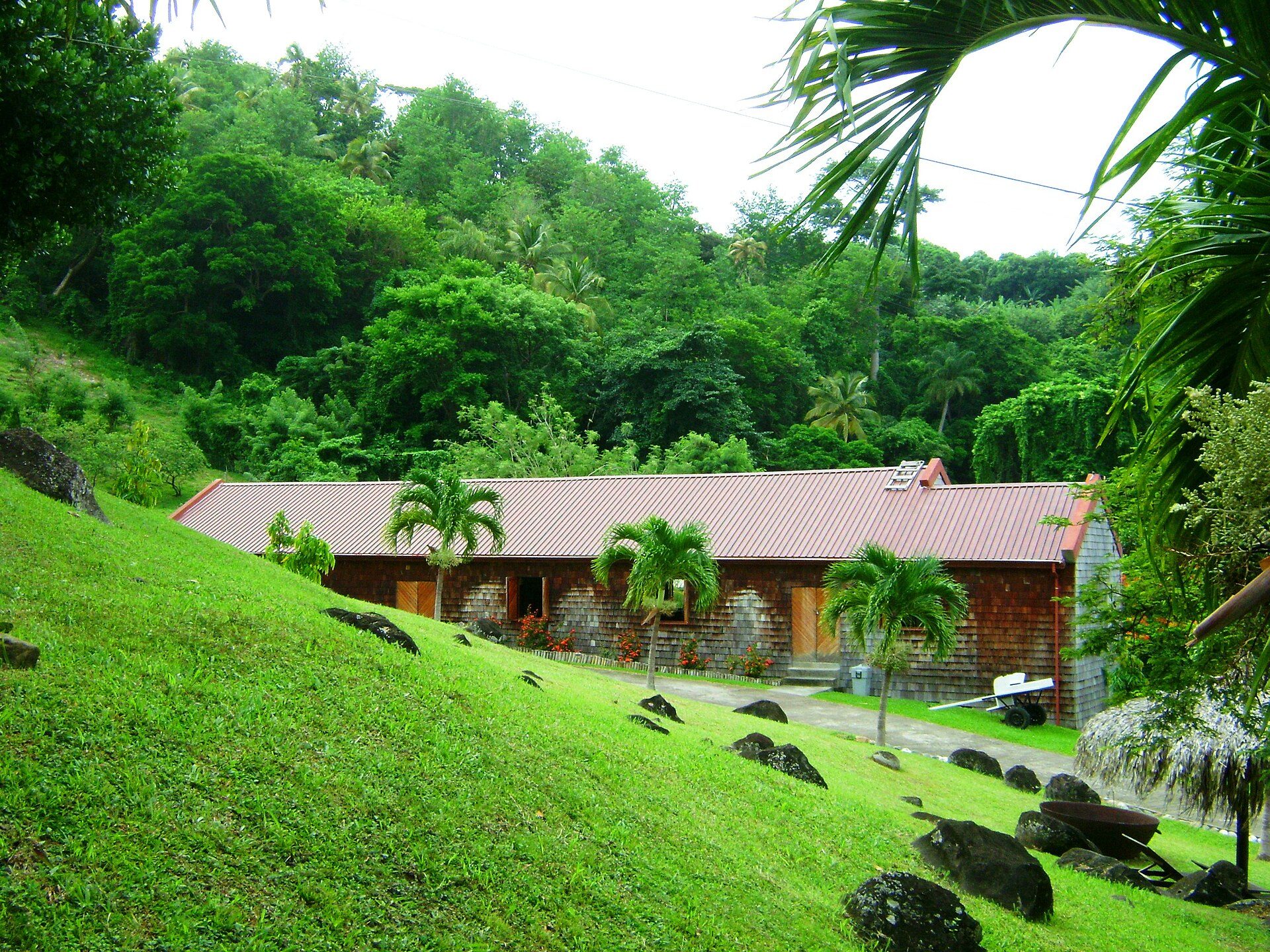
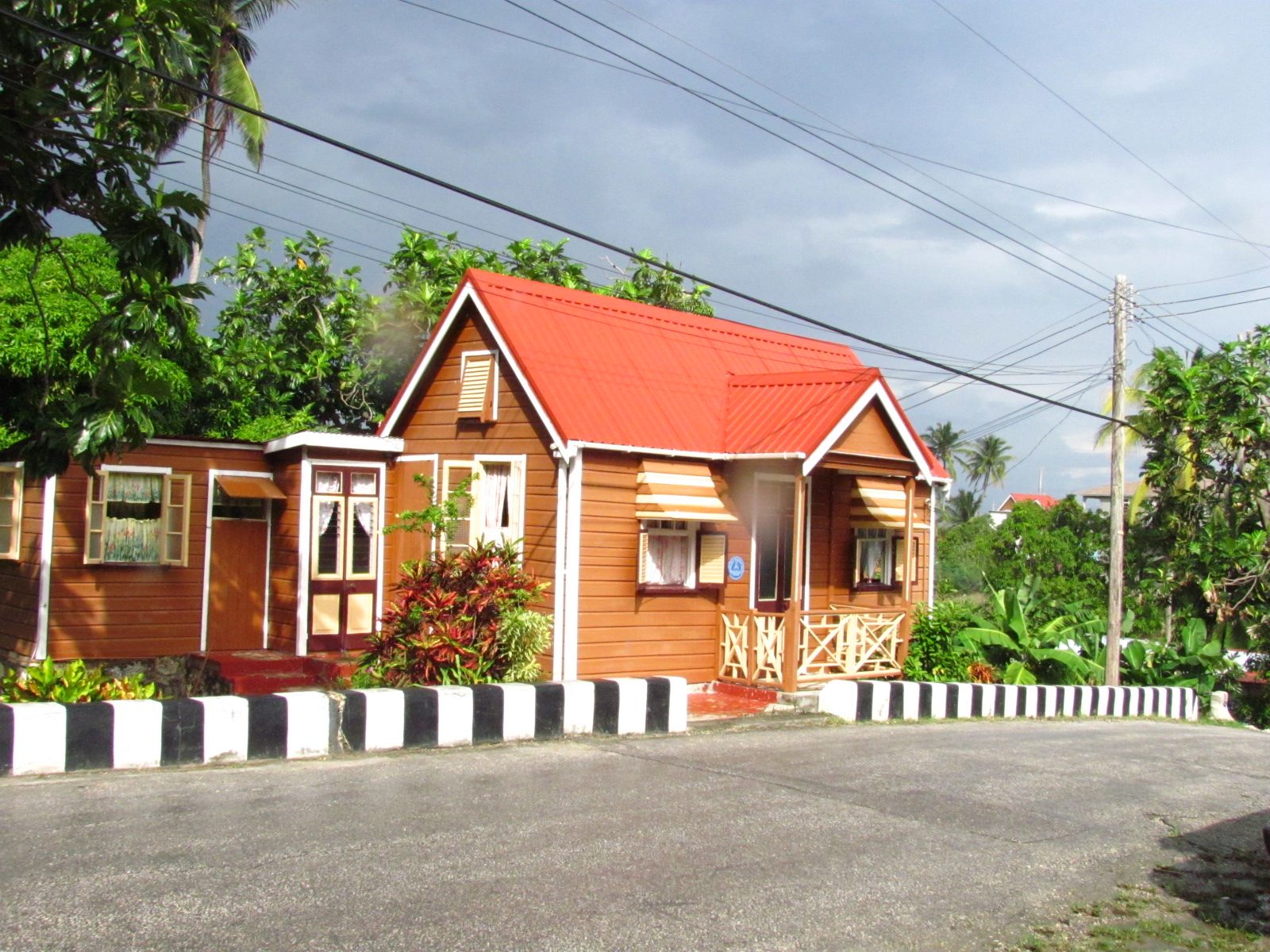
Photo: dpursoo, Wikimedia Commons, CC BY-SA 3.0
What access looks like on the water
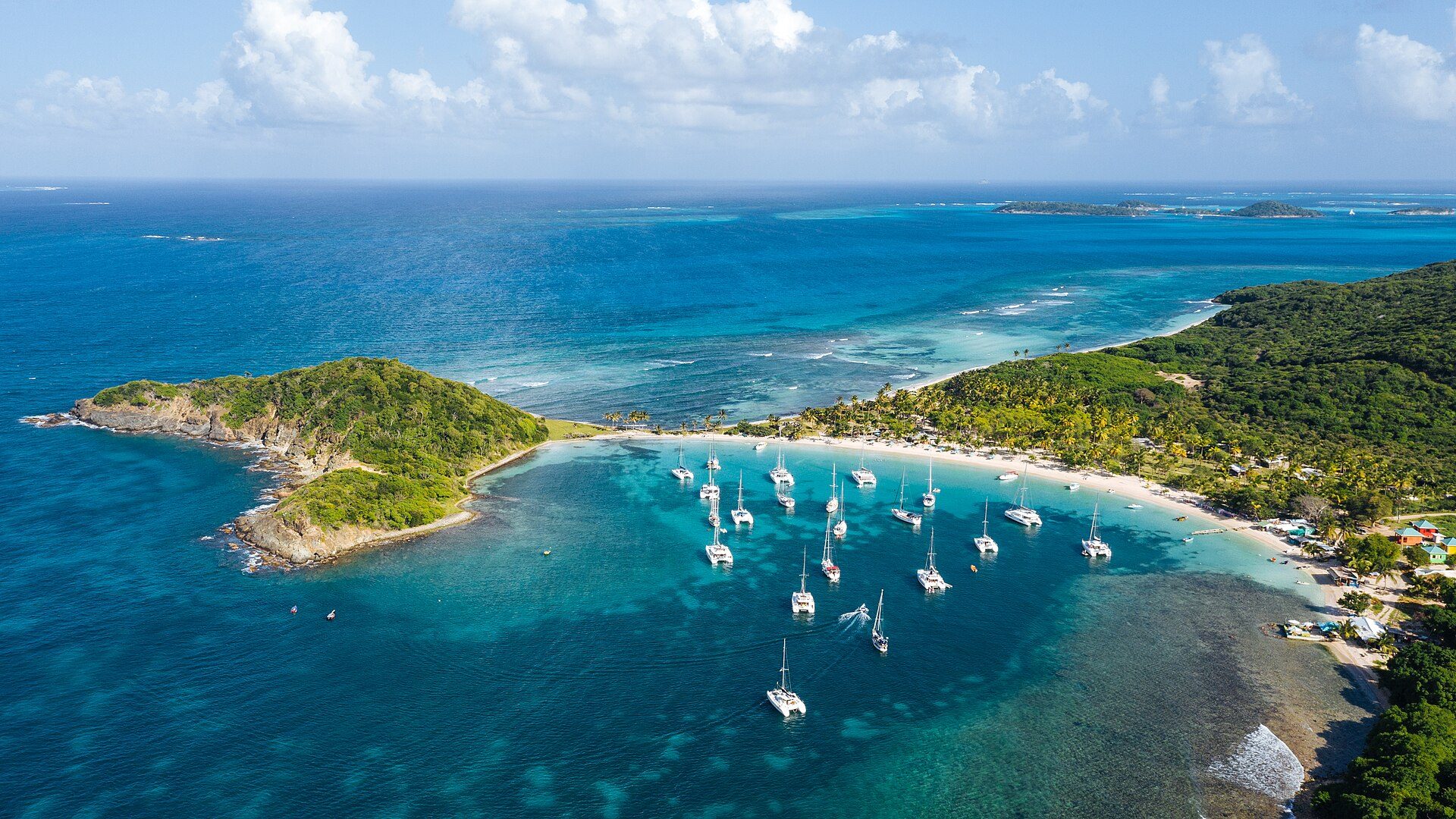
The clearest expression of access is a boat. A crewed charter turns the Grenadines into a private archipelago: anchoring off a cay before the day boats arrive, swimming a reef that has no signpost, deciding at lunch where dinner will be.
Even on a land-based trip, the same principle applies, a captain for the day, a secluded snorkelling stop, a sunset sail timed to the light rather than the schedule. The luxury is not the vessel; it is the freedom to be in the right place at the right hour.
At the table and in the field
Food is where access is most rewarding. The region's best meals often happen away from restaurant dining rooms: rum tasted from cask with the distiller, cocoa followed from tree to bar on a working estate, a chef cooking a private dinner with that morning's catch.
These experiences reward curiosity over formality. Asking a producer how their grandmother made it will teach you more than any tasting menu, and the producers who open their doors are usually those for whom the work, not the audience, is the point.
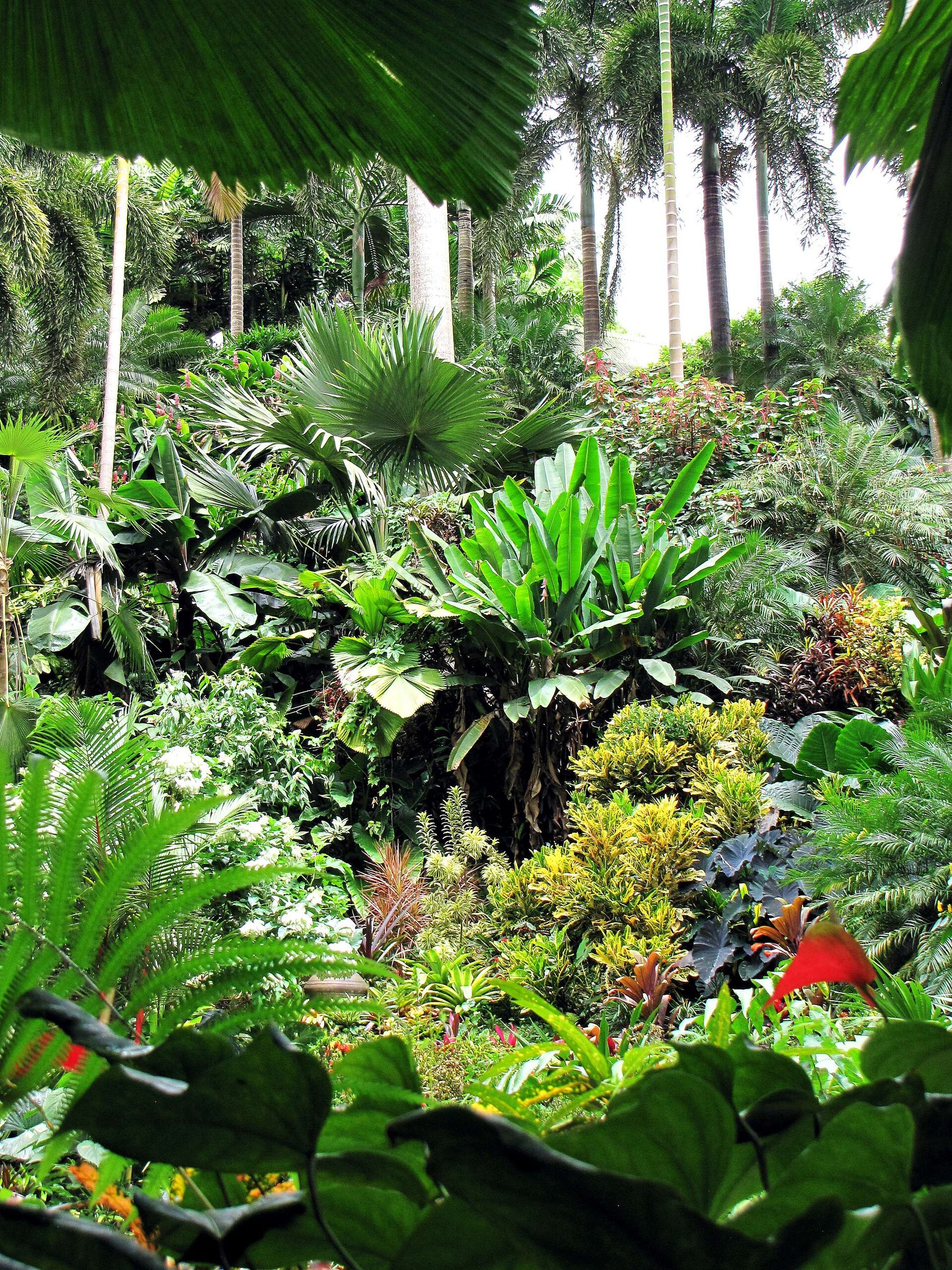
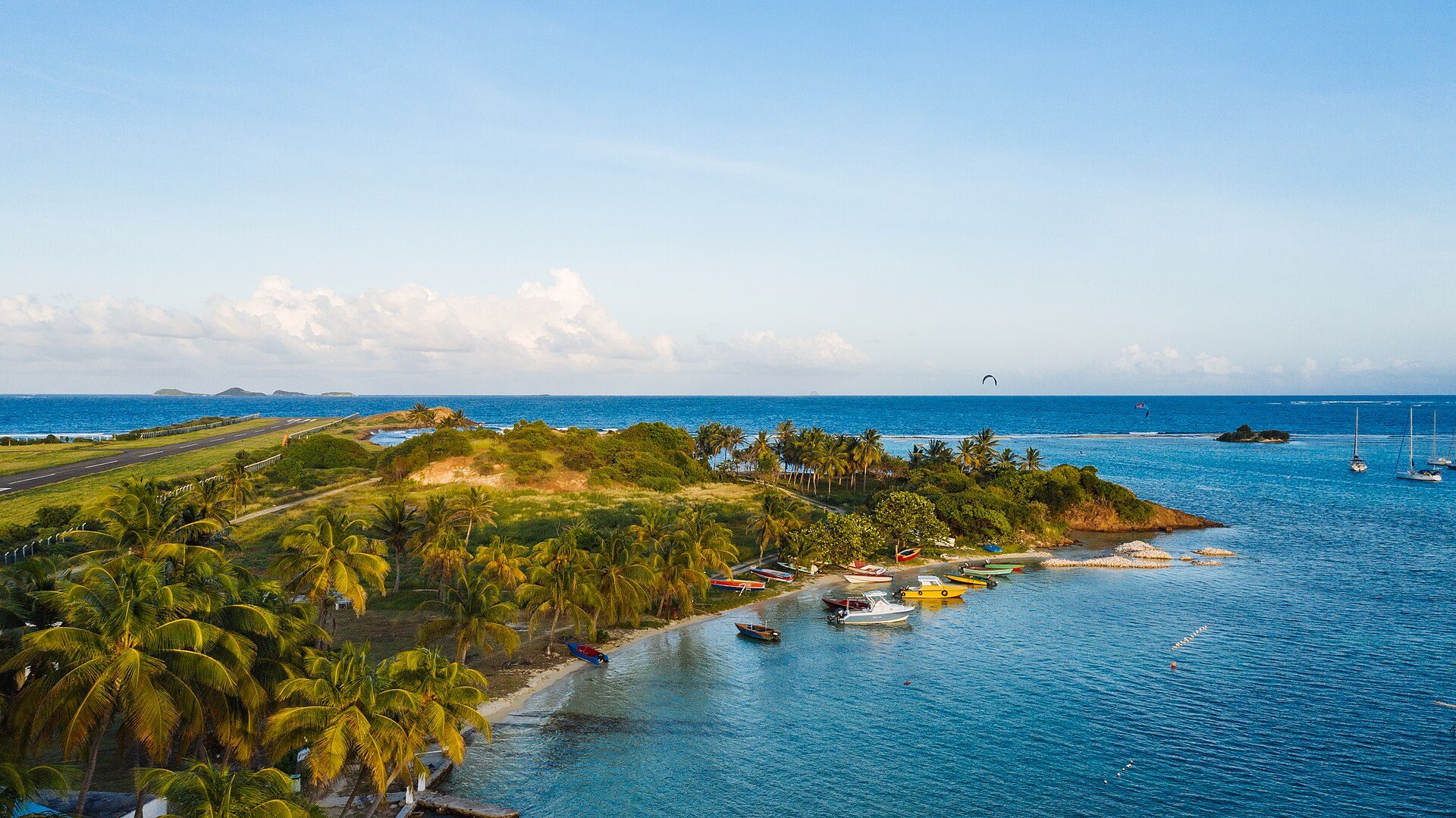
Photo: Alex Dixon, Wikimedia Commons, CC BY-SA 2.0
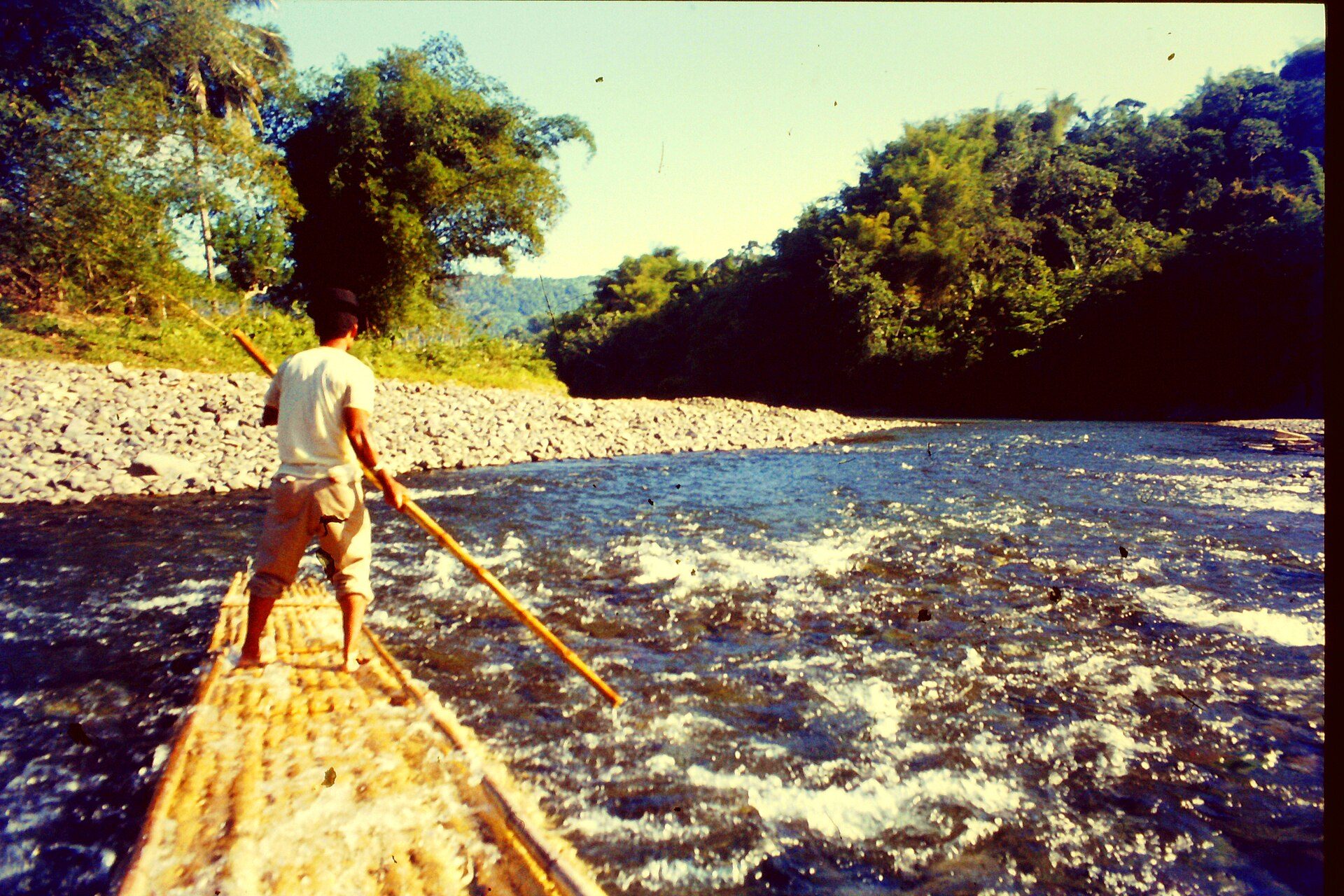
Photo: Fritz Rudolf Loewa, Wikimedia Commons, CC BY-SA 3.0
Culture with the door open
Beyond food and water, access extends to culture itself. It is the difference between watching a festival from a roped-off stand and experiencing it with friends who were born into it; between buying art in a hotel gallery and visiting the studio where it was made.
Music, Carnival, craft and faith communities across the region welcome respectful visitors, but the welcome is earned, not purchased. Local hosts and guides who are genuinely part of these worlds are the only reliable bridge in.
How to book access well
Genuine access is planned, not improvised. Specialists maintain the relationships with estates, distillers, captains and cooks that turn a request into an invitation; lead times of weeks, sometimes months, are normal for anything truly private.
Travellers should also be sceptical of anything marketed as 'authentic' for sale. Real access rarely advertises. When in doubt, ask who is hosting, who benefits, and how many people will be there. Honest answers to those three questions separate the memorable from the manufactured.
- Book
- Weeks ahead for private access
- Ask
- Who hosts, and who benefits?
- Expect
- Small groups, real hosts
Frequently asked questions
Can you have these experiences while staying at a resort?
Yes. Most access-led experiences, private sails, estate visits, chef's tables, work as day excursions from a resort stay, provided they are arranged through people with genuine local relationships rather than generic excursion desks.
How far in advance should private Caribbean experiences be booked?
For anything truly private, a charter over peak season, a tasting at a working distillery, a table with a sought-after chef, allow several weeks to a few months. High season and festival periods need the longest lead times.
Which island is best for experiences beyond the resort?
Every island has them, but the character differs: the Grenadines excel on the water, Grenada for spice and cocoa estates, Barbados for rum and dining, Jamaica for music and community culture. The right island depends on which kind of access matters most to you.
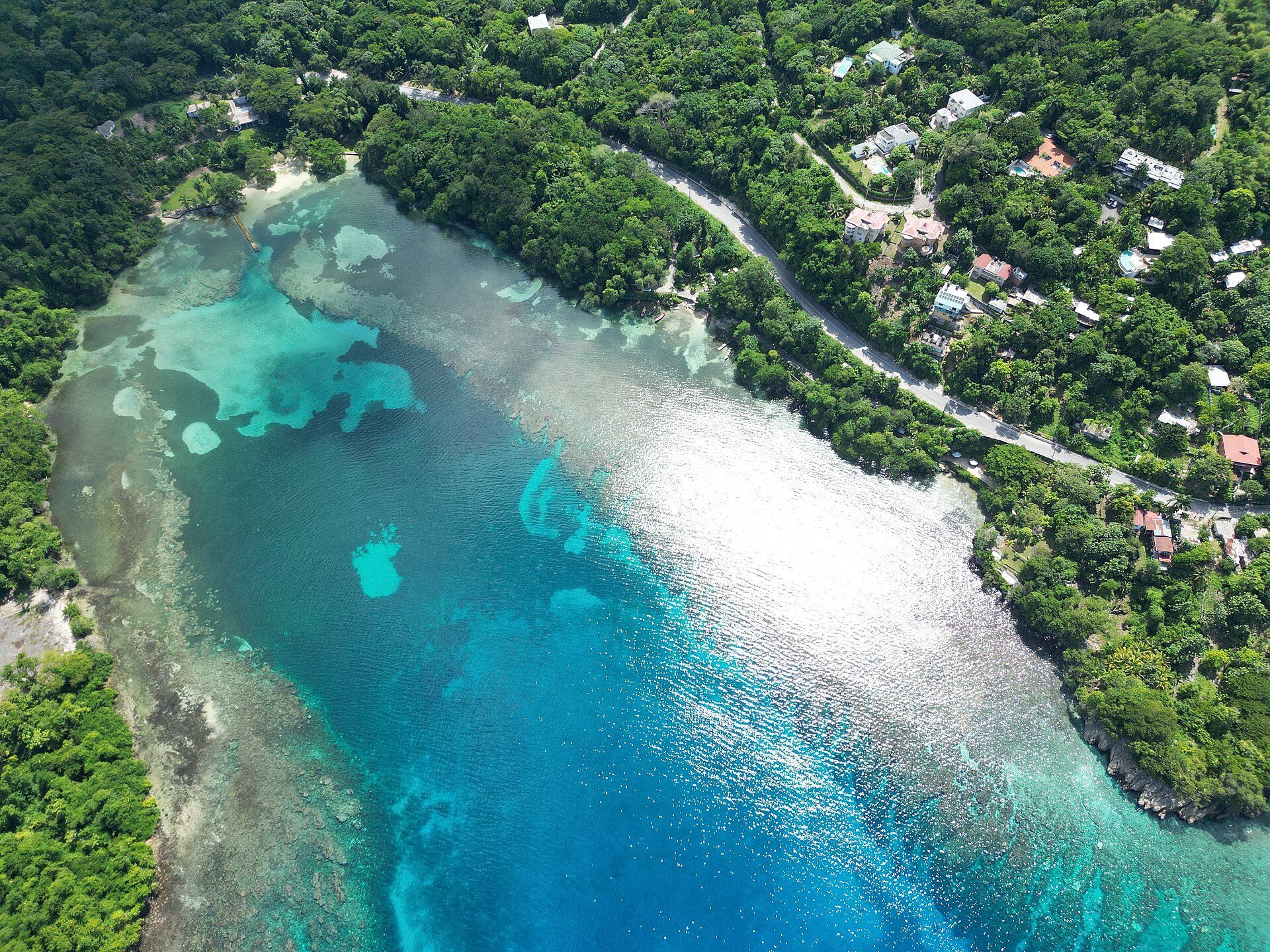
Independent CTT editorial. Not sponsored. Photo: Layneartz19, Wikimedia Commons, CC BY-SA 4.0. Details such as schedules and prices change, please confirm with a CTT specialist before travelling.