In brief
Can I trace my Caribbean ancestry on a trip?
Yes. Most islands hold church registers, civil registration records, emigration manifests and estate papers in national archives, and many visitors combine a few research days with time in the parishes their family came from. Record survival varies by island, so confirm coverage before you travel.
A different kind of return
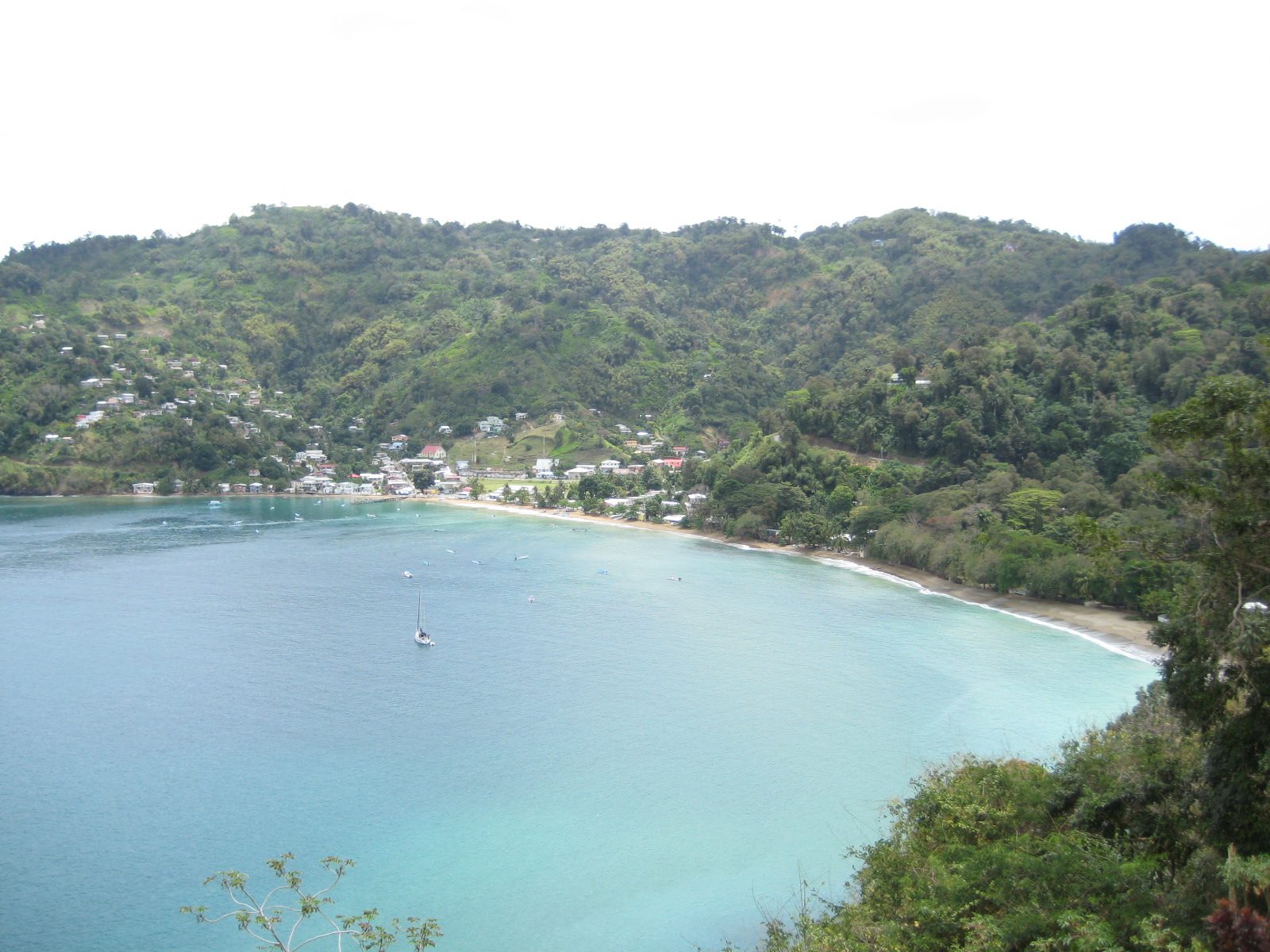
Heritage travel has become one of the most meaningful reasons to visit the Caribbean. Descendants of families who migrated to North America and Europe are returning not just to see the region, but to understand their place in it, the parish a great-grandmother was baptised in, the village a family farmed, the harbour a ship sailed from.
These trips are emotional as well as logistical. The most rewarding ones balance both: enough research time to make discoveries, and enough unhurried island time to absorb what you find. Treating a roots journey as a holiday with a purpose, rather than an investigation with a beach attached, usually works best.
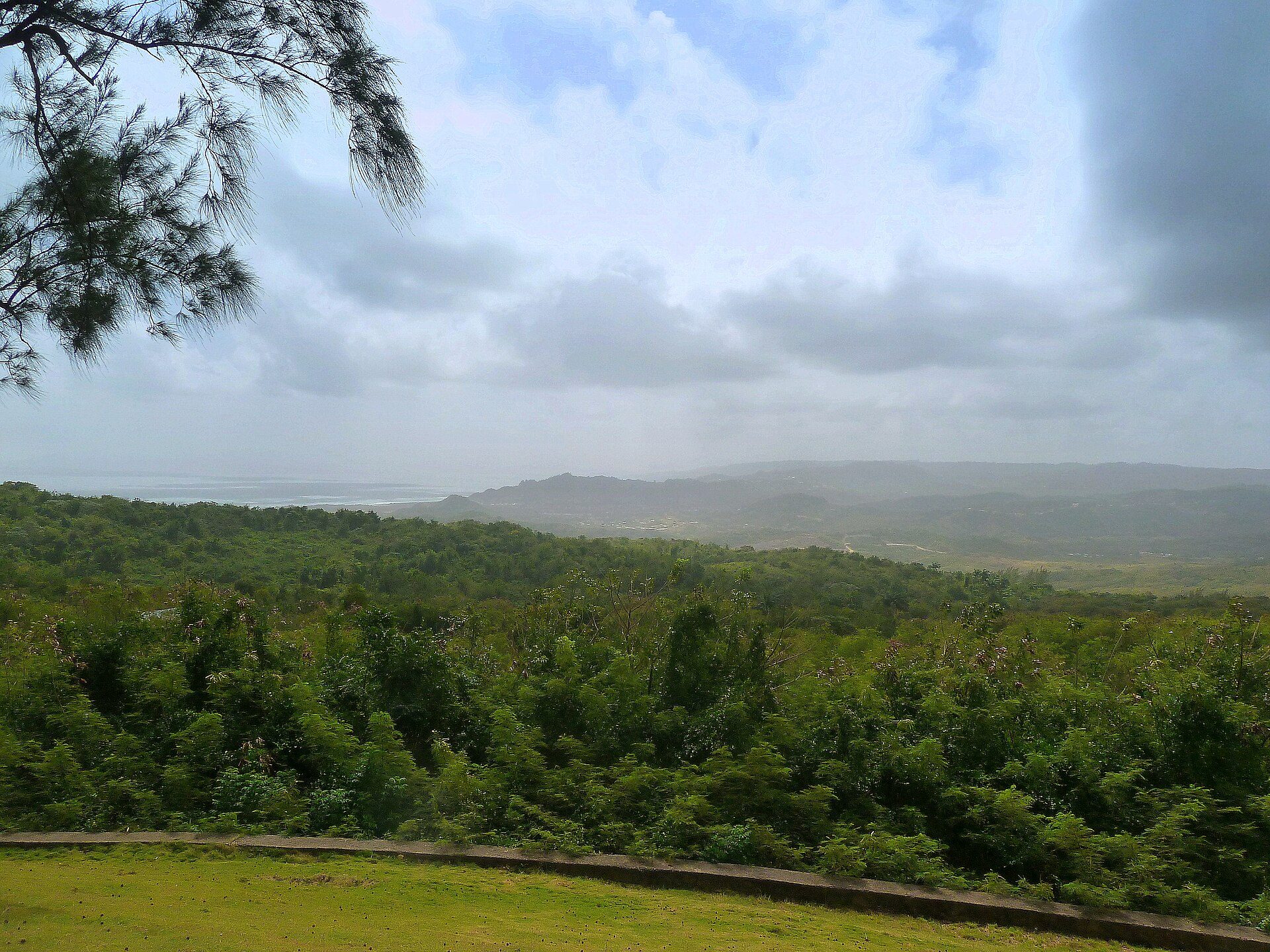
Photo: giggel, Wikimedia Commons, CC BY 3.0
What the records hold
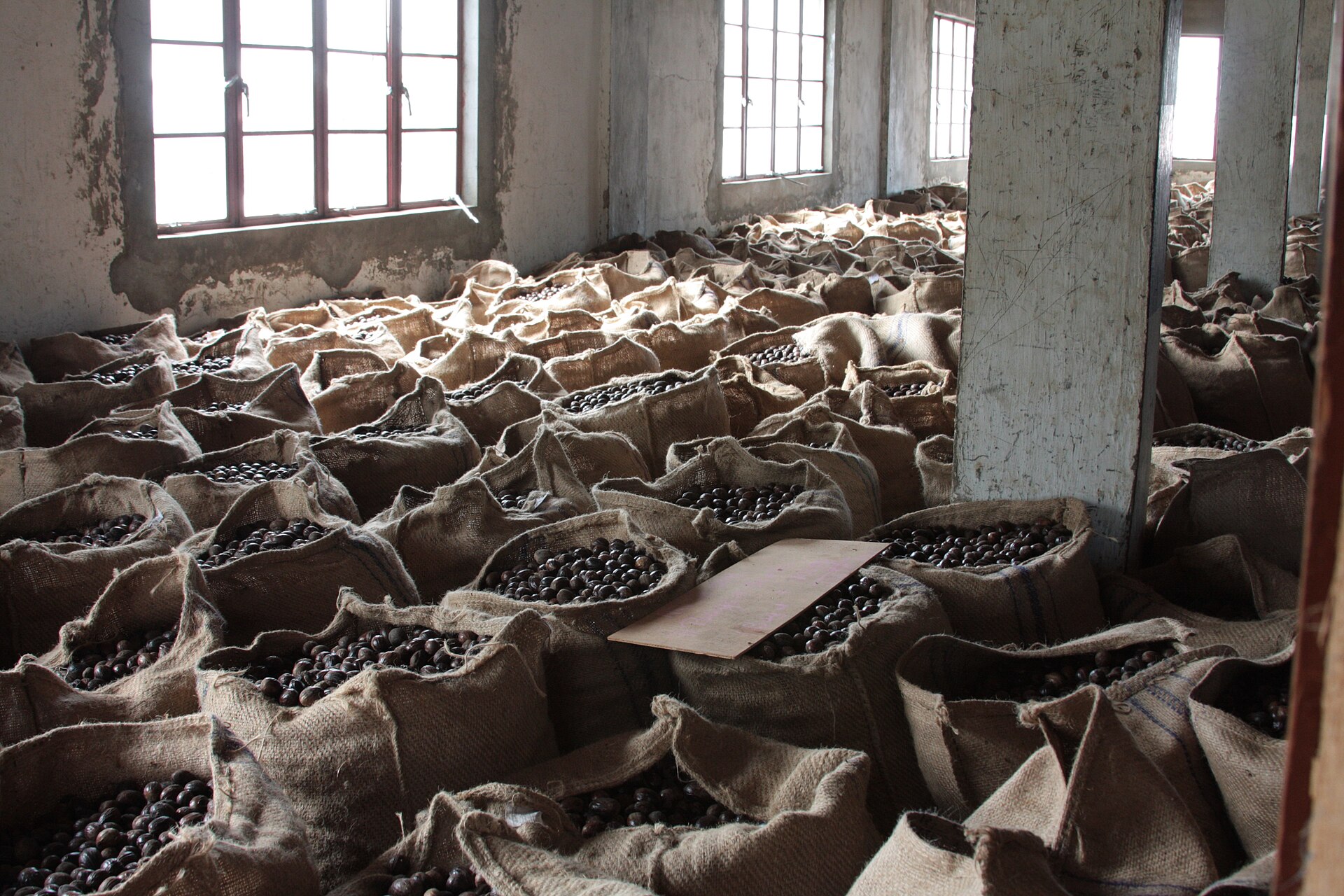
Caribbean family history rests on a distinctive mix of records. Church registers of baptisms, marriages and burials often reach back further than civil records. Civil registration, introduced at different times on different islands, adds births, deaths and marriages from government record-keepers.
Beyond those, the picture widens: emigration and shipping manifests, plantation and estate papers, wills, apprenticeship records, military rolls, land registries and newspaper archives. Colonial-era record-keeping was organised by parish rather than by island, so knowing the parish, not just the country, is often the single most useful fact a researcher can carry.
Where to look, island by island
Each island keeps its own records. Barbados has a long-established national archive with extensive colonial-era material; Jamaica's record offices hold parish registers and civil registration; Trinidad and Tobago, Grenada and the smaller islands each maintain their own registries and archives, with coverage that varies by parish and period.
Churches themselves frequently remain the custodians of the oldest registers, and clergy or parish secretaries can often confirm what survives. Many islands also have active genealogy societies and professional researchers who know which record sets survive and which were lost to fire, hurricane or time.
- First port of call
- The island's national archives
- Older records
- Often held by individual churches
- Key detail
- Parish and surname, with dates
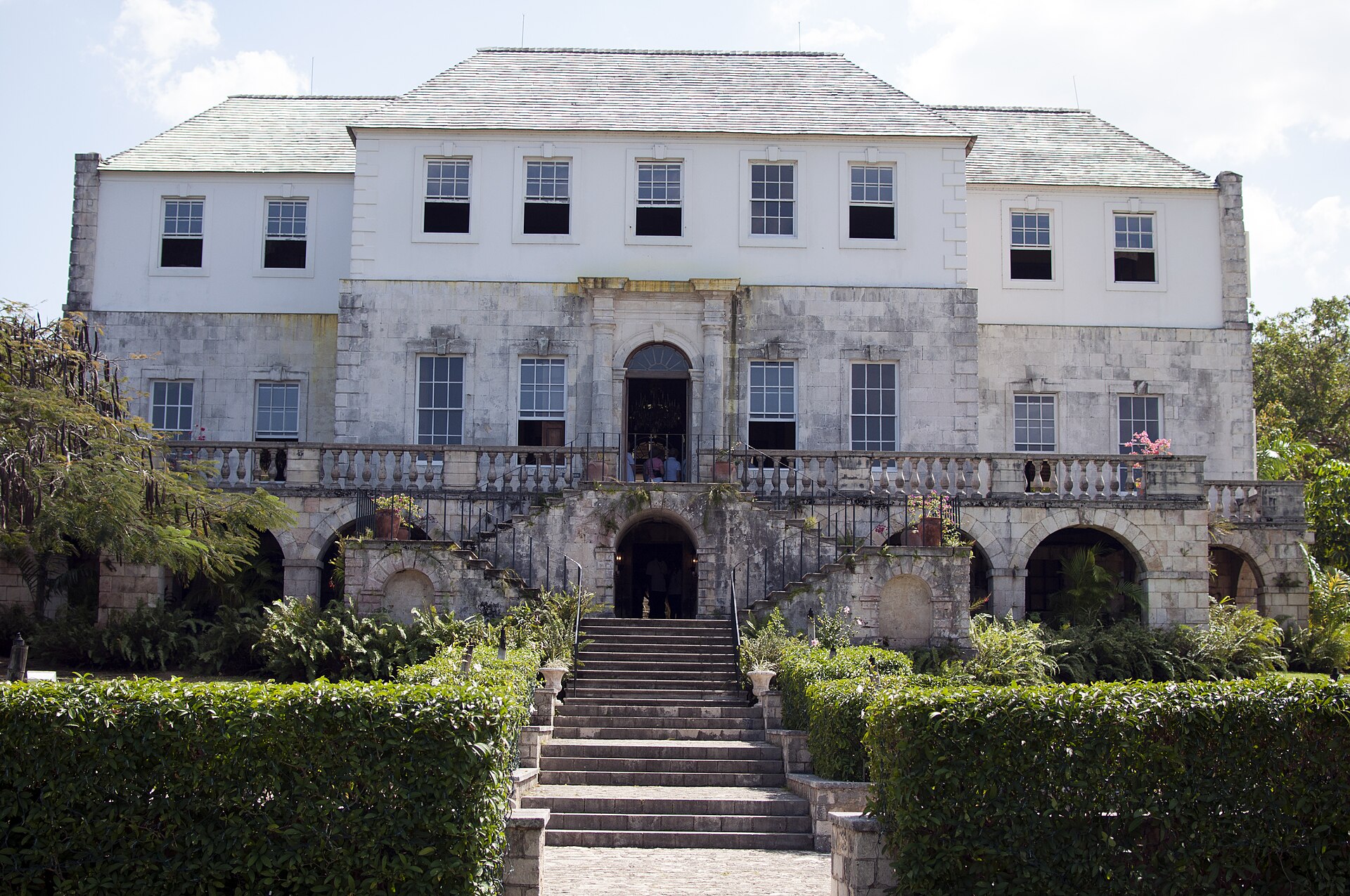
Photo: Don Ramey Logan, Wikimedia Commons, CC BY-SA 3.0
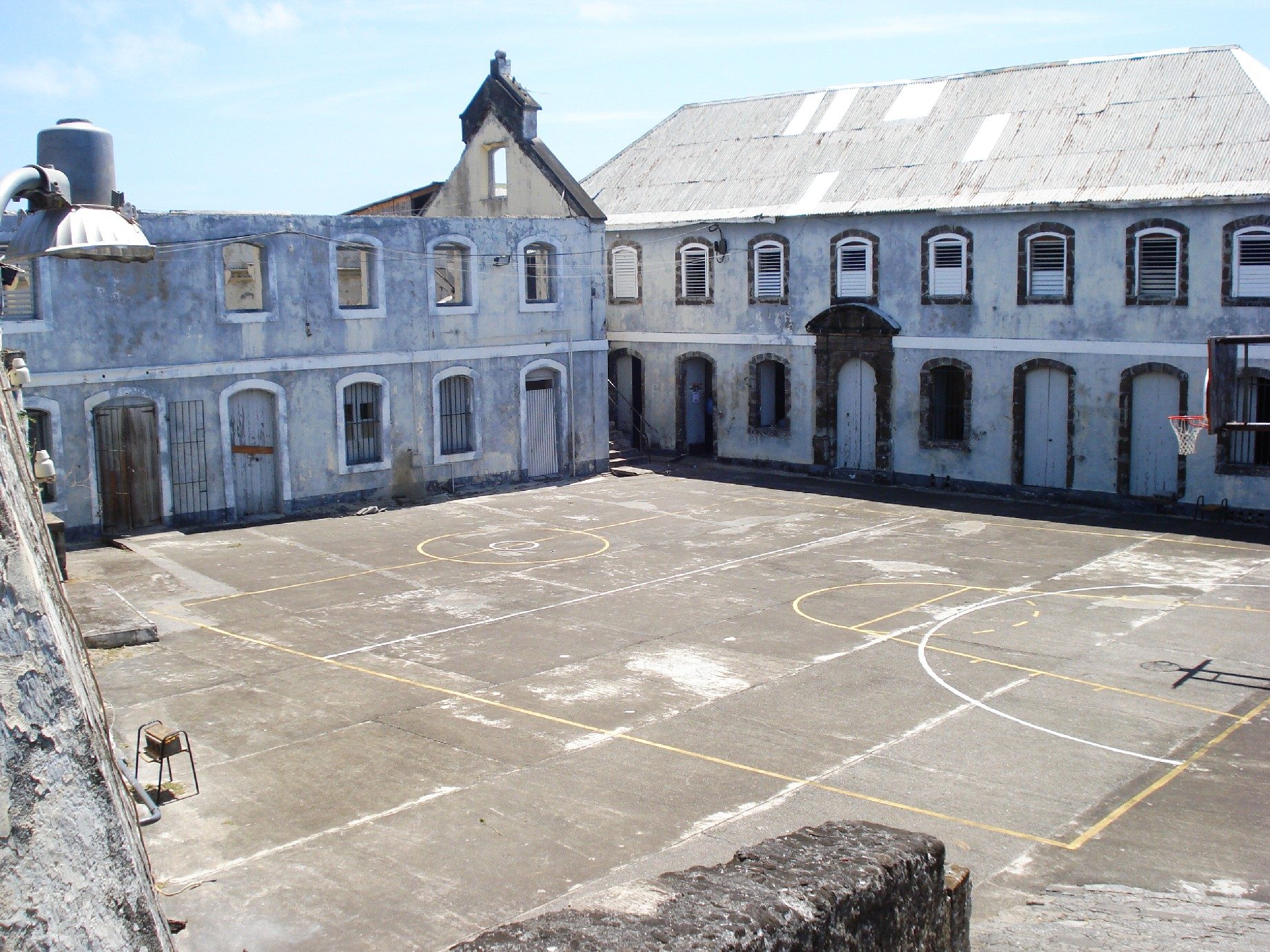
Photo: cwi.aida, Wikimedia Commons, CC BY-SA 3.0
Walking the ground your family walked
Records locate a family; the ground brings them to life. Travellers regularly build days around visiting the church where ancestors worshipped, the cemetery where they were buried, the districts they lived in and the markets, schools or estates that appear in family stories.
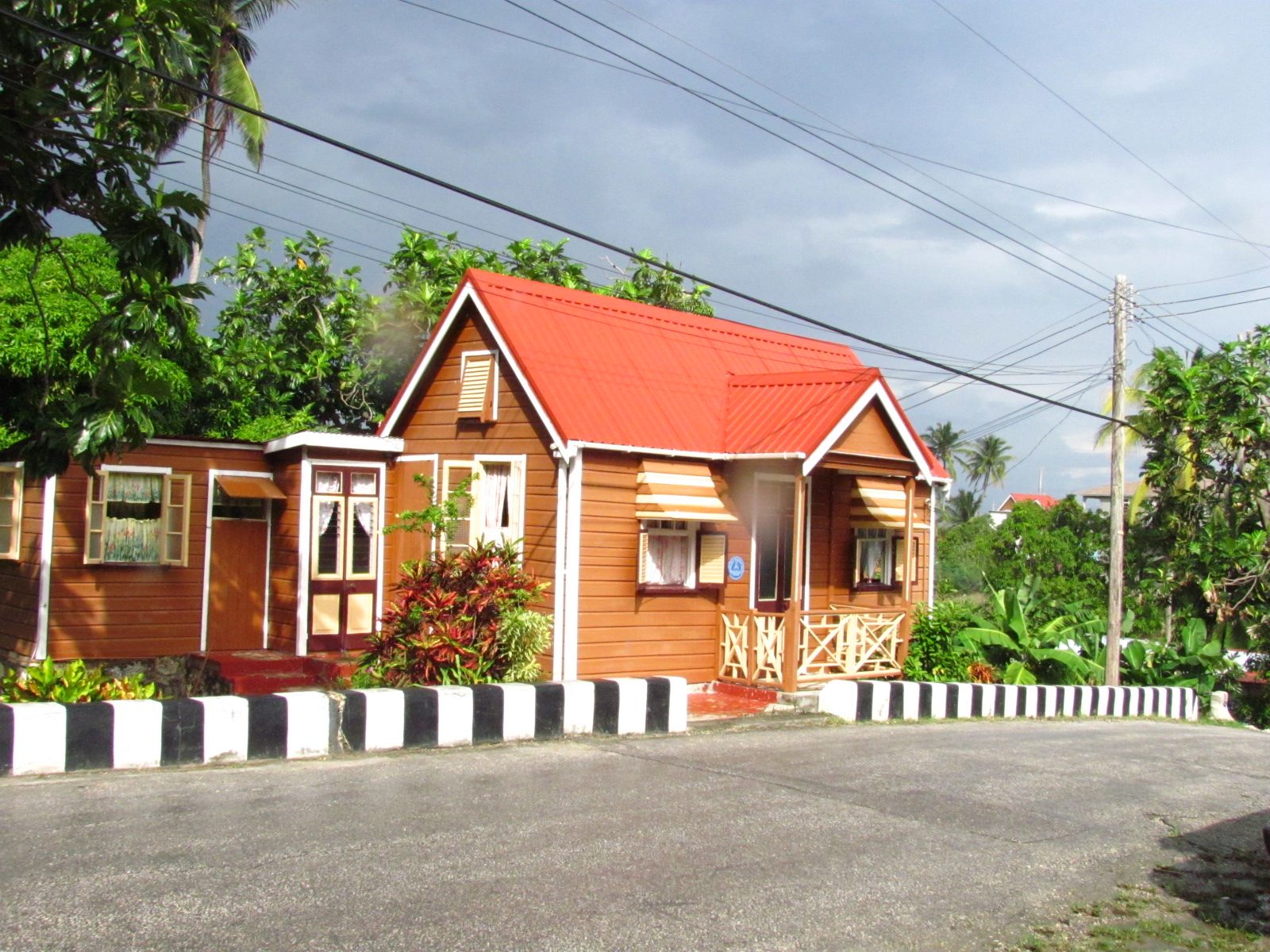
This is where local guides earn their place. A guide from the right parish can read a landscape a visitor cannot, which lane is old, which great house still stands, which churchyard has graves from the 1800s. Conversations in villages, approached with patience and respect, sometimes surface family names in living memory that no archive holds.
Planning a roots journey
A workable pattern is a week or more on one island: two or three dedicated research days while archives are open, then unhurried days exploring the parishes and coastlines connected to the family. Archives typically keep limited hours and may require advance requests for specific records, so build the schedule around them.
When a family's story crosses islands, migration for work, marriage between islands, or a ship that called at several ports, a multi-island journey can follow the trail itself. Travelling the route an ancestor took, in the right order, turns a research trip into a passage.
Frequently asked questions
Which Caribbean islands have the most complete genealogy records?
Record survival differs by island and parish rather than by one island being 'best'. Barbados, Jamaica and Trinidad and Tobago hold substantial archival collections, but even small islands can hold surprising detail. Check what survives for your family's parish before you travel.
How many days should I allow for research on island?
Plan two to three dedicated research days around archive opening hours, plus time for parish visits. Records are often retrieved on request rather than immediately, so a little patience pays off.
Do I need a professional genealogist?
Not always, but a local researcher can be invaluable, particularly for colonial-era lines, incomplete registers or when your visit is short. Many can do preliminary work before you arrive so your days on island are spent confirming, not searching from scratch.
Independent CTT editorial. Not sponsored. Photo: rufus, Wikimedia Commons, CC BY 2.0. Details such as schedules and prices change, please confirm with a CTT specialist before travelling.