PANAMA Scattered, Travel Tips | When to Go, Food & Visa
Not sure where to begin? Find the islands that fit your trip.Find my island
Practical guide
Travel tips
The details that make time in Panama run smoothly.
Local timeGMT-5 year-round, with no daylight saving
Money & cards
US dollar (legal tender) alongside balboa coins, pegged 1:1
The US dollar is legal tender and the balboa exists only as coins, pegged exactly 1:1, you will never need to exchange anything. Bring small US notes for Guna Yala, where there is no usable ATM on the tourist islands.
Tipping
10% in restaurants unless service is added; guides, boat crews and Guna hosts are paid in cash, so carry small US notes for the whole trip.
Getting around
Domestic flights, water taxis and 4x4 transfers, we arrange all of it
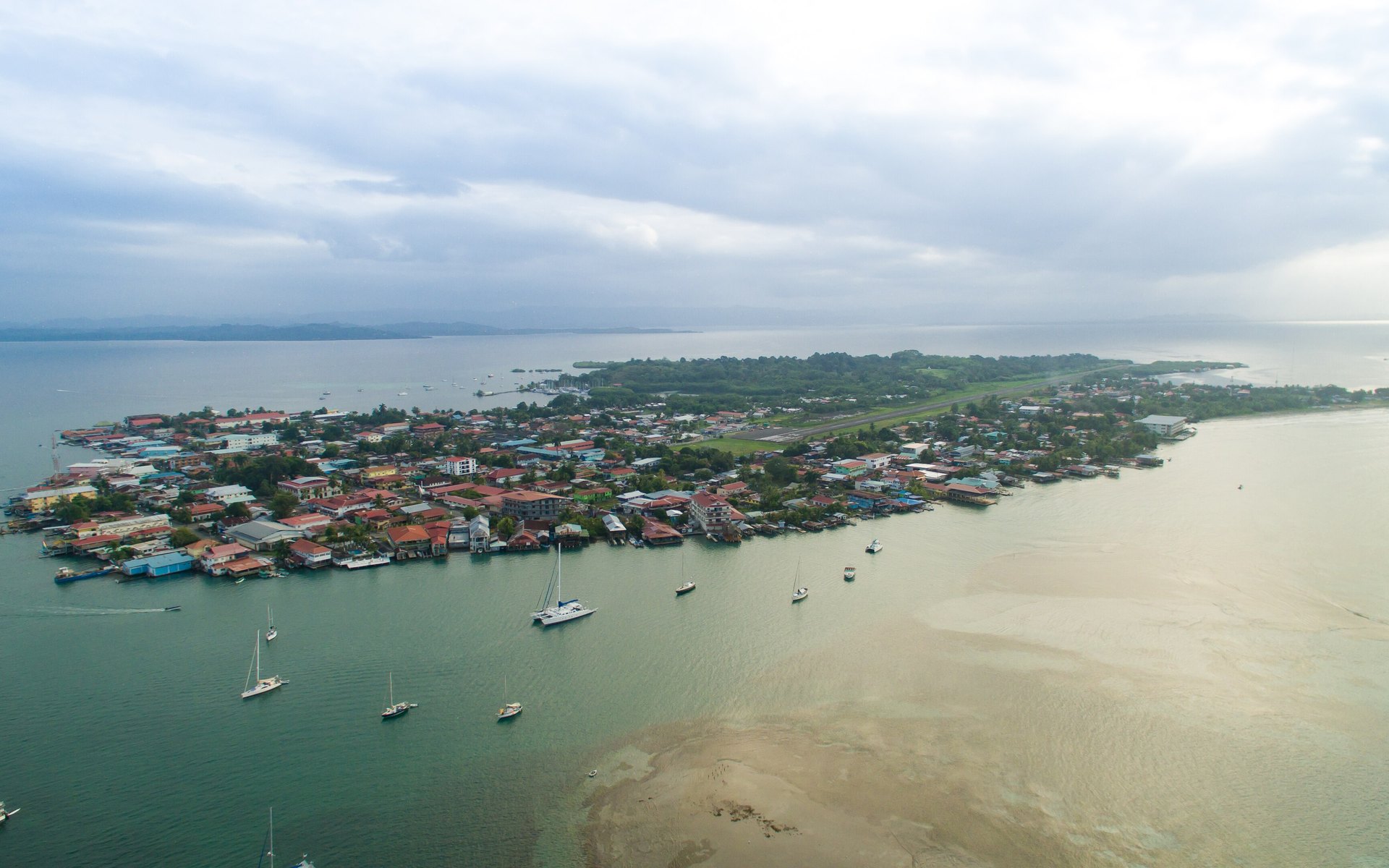
Bocas moves by water taxi and shared boat; Guna Yala needs a 4x4 to the Cartí port and then a boat arranged by your Guna host. Bocas and San Blas sit on opposite sides of the country, so build in a domestic flight between them.
Connectivity
Coverage is good in Bocas Town, Colón and Panama City, but patchy on the outer islands and effectively absent in Guna Yala, tell someone your boat plans before you go.
What to pack
Bring reef-safe sun cream, a dry bag, water shoes for coral entries, a head torch for lodges with no street lighting, and a long-sleeved layer for the mangroves.
Island hopping
Bastimentos, Isla Carenero and the Zapatilla cays are an easy boat or charter away and pair beautifully with 4–5 nights here.
Seasons
When to go
Mid-December to April is the dry, calm window, the best time for sailing, snorkelling and getting between the islands. May to November brings green afternoons and far fewer travellers, though Bocas stays wetter year-round.
Jan
Peak
Feb
Peak
Mar
Peak
Apr
Peak
May
Good
Jun
Shoulder
Jul
Shoulder
Aug
Shoulder
Sep
Good
Oct
Good
Nov
Shoulder
Dec
Peak
Local flavours
Things to eat
The flavours that tell the story of Panama, from national dishes to local specialities.
01
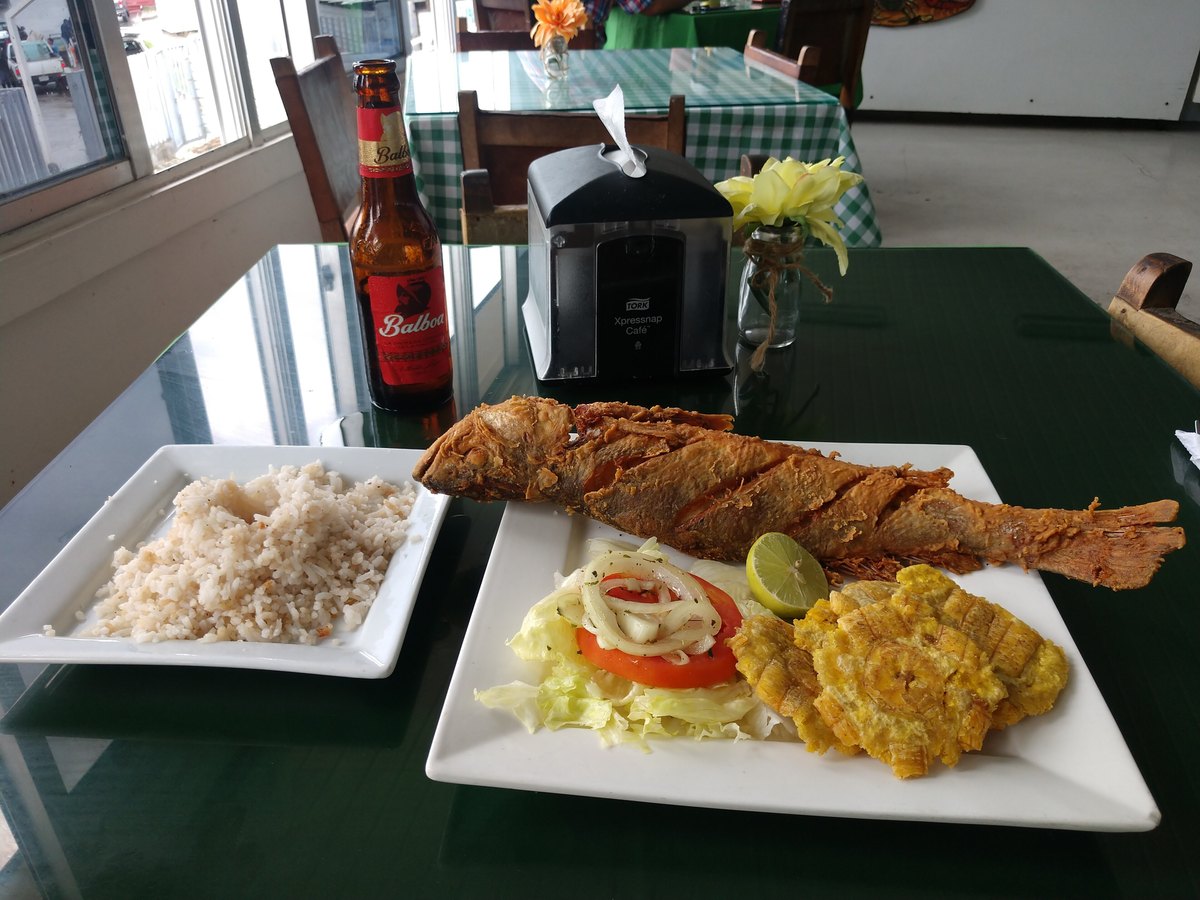
Pescado frito, arroz con coco y patacones
The Caribbean-coast plate: whole snapper fried crisp, rice cooked in coconut milk, and smashed fried plantain. Written on chalkboards across Bocas, and best eaten where the boats come in.
02
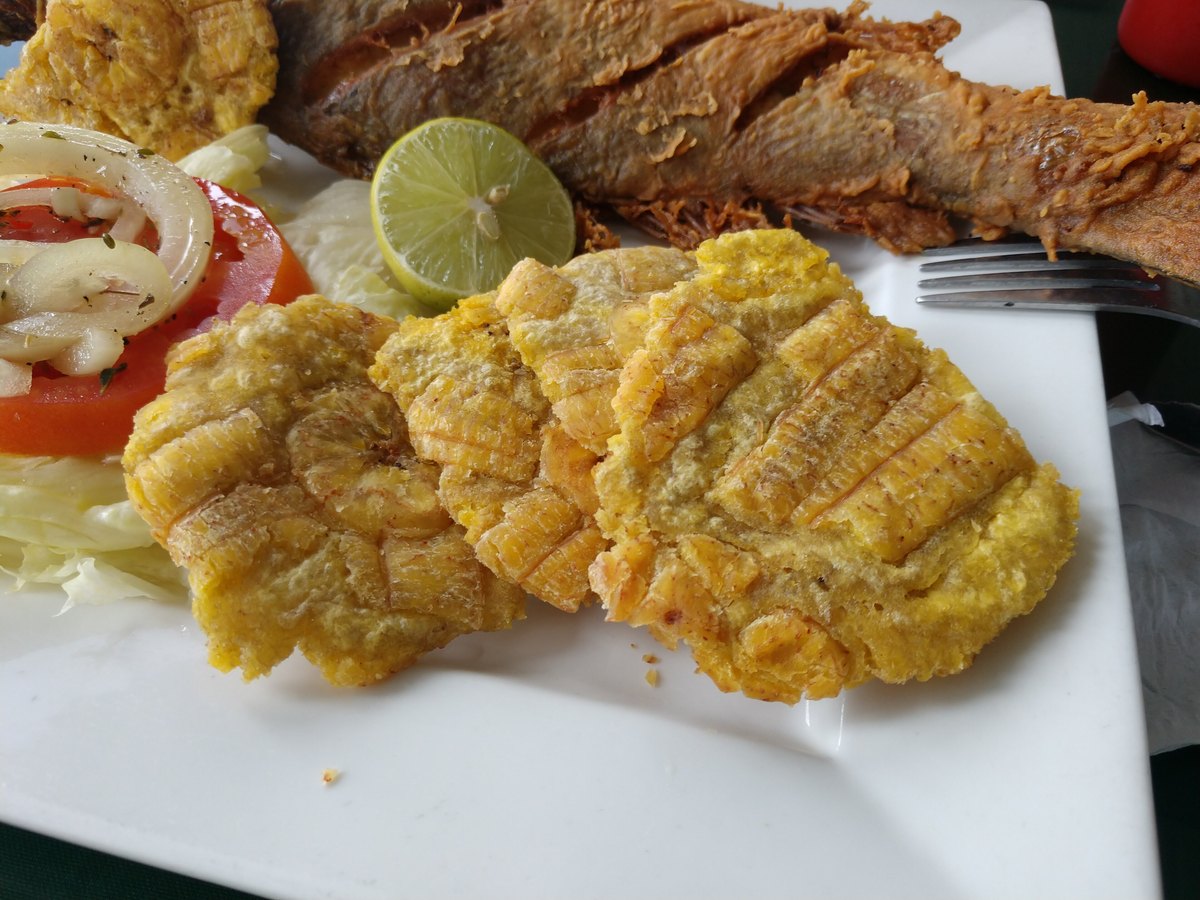
Patacones
Green plantain fried twice so the edges crackle and the middle stays soft. Served with everything, with a tomato-onion salsa, alongside fish, or as a starter with garlic.
03
Rondón (run-down)
Afro-Antillean fish simmered in coconut milk until it flakes, with ground provisions, onion and peppers. Bastimentos Sunday cooking; the name comes from the English 'run down'.
04
Sancocho
Panama's national soup: chicken or beef simmered for hours with ñame, maize and culantro until the broth turns milky, served over rice with a squeeze of lime.
05
Arroz con mango
Rice cooked down with ripe mango, coconut milk, sugar and clove until sweet and fragrant, the traditional finish to a mainland family lunch.
Before you travel
Visa & entry requirements
US and Canadian passports are visa-exempt for up to 180 days; most other Western passports are admitted for up to 90. Carry a passport valid for at least three months, an onward or return ticket and proof of around US$500 in funds, rules are applied unevenly, so bring the documents rather than rely on the exception.
Entry rules can change. We confirm the current official requirements for your passport and travel dates before you book.
All travelers are solely responsible for ensuring that they possess the appropriate passport, visa, tourist card, transit authorization, health documentation and any other entry or exit documentation applicable to their nationality and residency.