In brief
What does it mean to experience an island through its residents?
It means one day built around the island's own schedule, the landing of the fishing boats, the market's morning peak, a home kitchen at midday, and the evening lime that visitors rarely see. Local guides, cooks and makers host the day, and the island explains itself.
The question behind the question
Most travel shows you a destination's answer to visitors: the frontage built for arrival. A day spent with residents shows you the answer to a different question, how this place actually works, and what its people do with an ordinary day.
The difference is not comfort; it is authorship. On a local's day, the itinerary belongs to the island. You move when it moves, eat when it eats, and the story you take home is one the place told about itself.

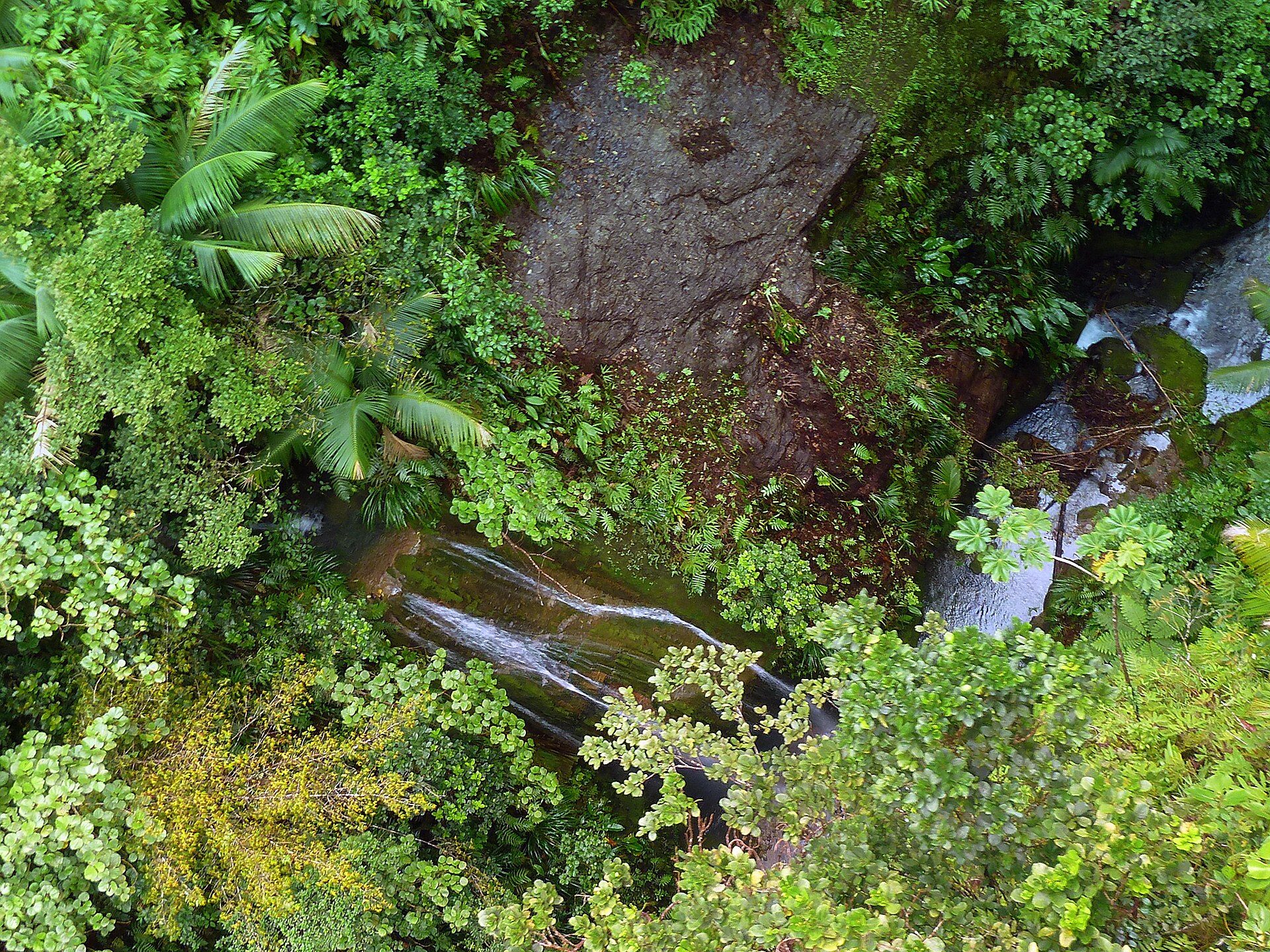
Photo: Rosa Pineda, Wikimedia Commons, CC BY-SA 4.0
Morning: where the island wakes
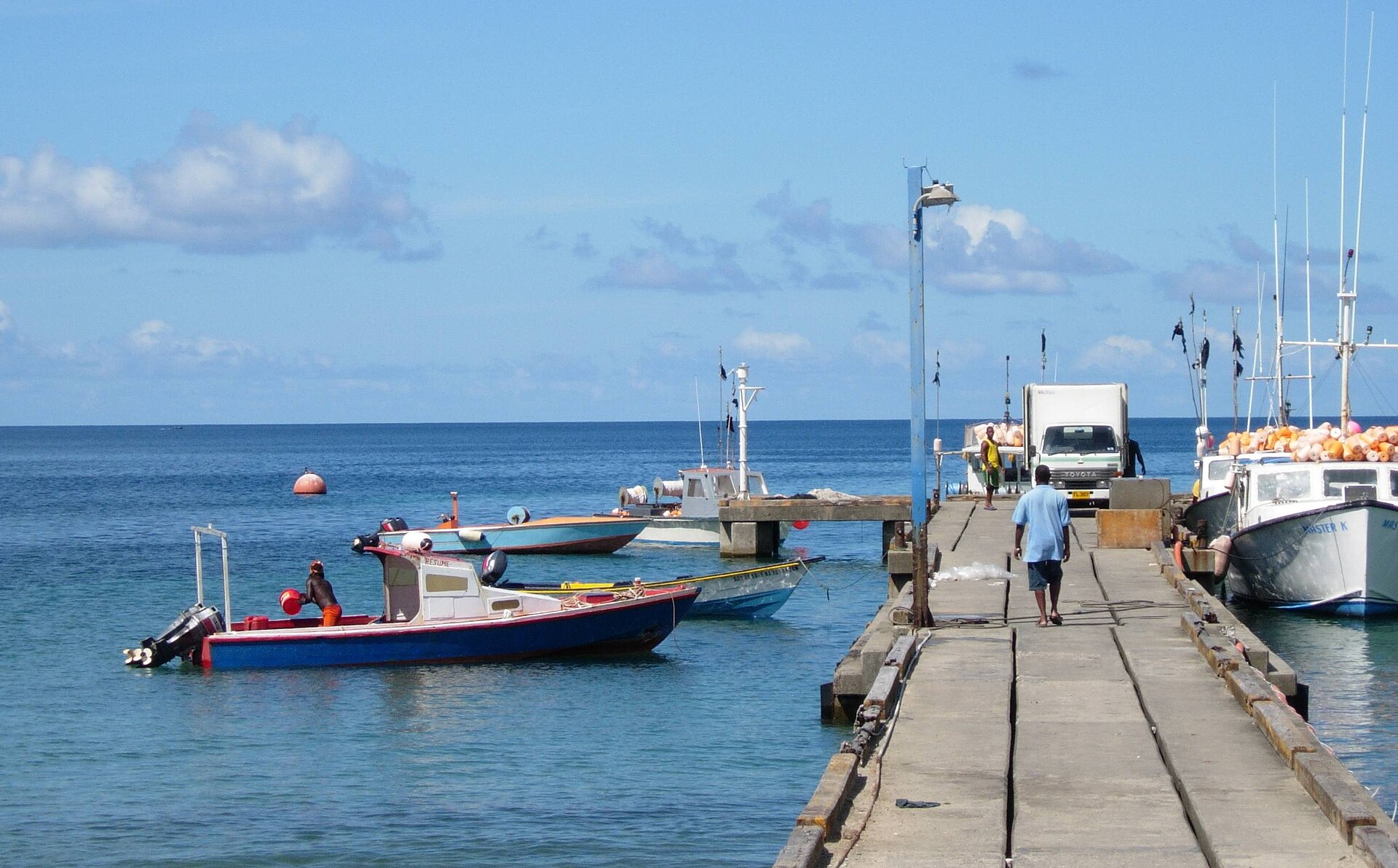
The day starts earlier than the resort does. Fishing boats land their catch on working beaches; bake shops and cook shops open for the breakfast crowd; provision trucks unload at the market while vendors call prices across the aisles.
Nothing here is staged, and that is the point. A fisherman explaining why yesterday's catch ran small, a vendor insisting you taste a mango before buying it, these are the island's own voices, and the morning belongs to them.
Midday: work, food and conversation
By midday you have usually earned a kitchen. A market basket becomes a pot of callaloo, a curry, a pot of oil down or a grill of the morning's fish, cooked with a home cook who answers questions while they season.
The meal that follows is the day's centrepiece, but it is the conversation around it that stays: family history, island politics, where to eat next door, why one village cooks the dish differently from the next.
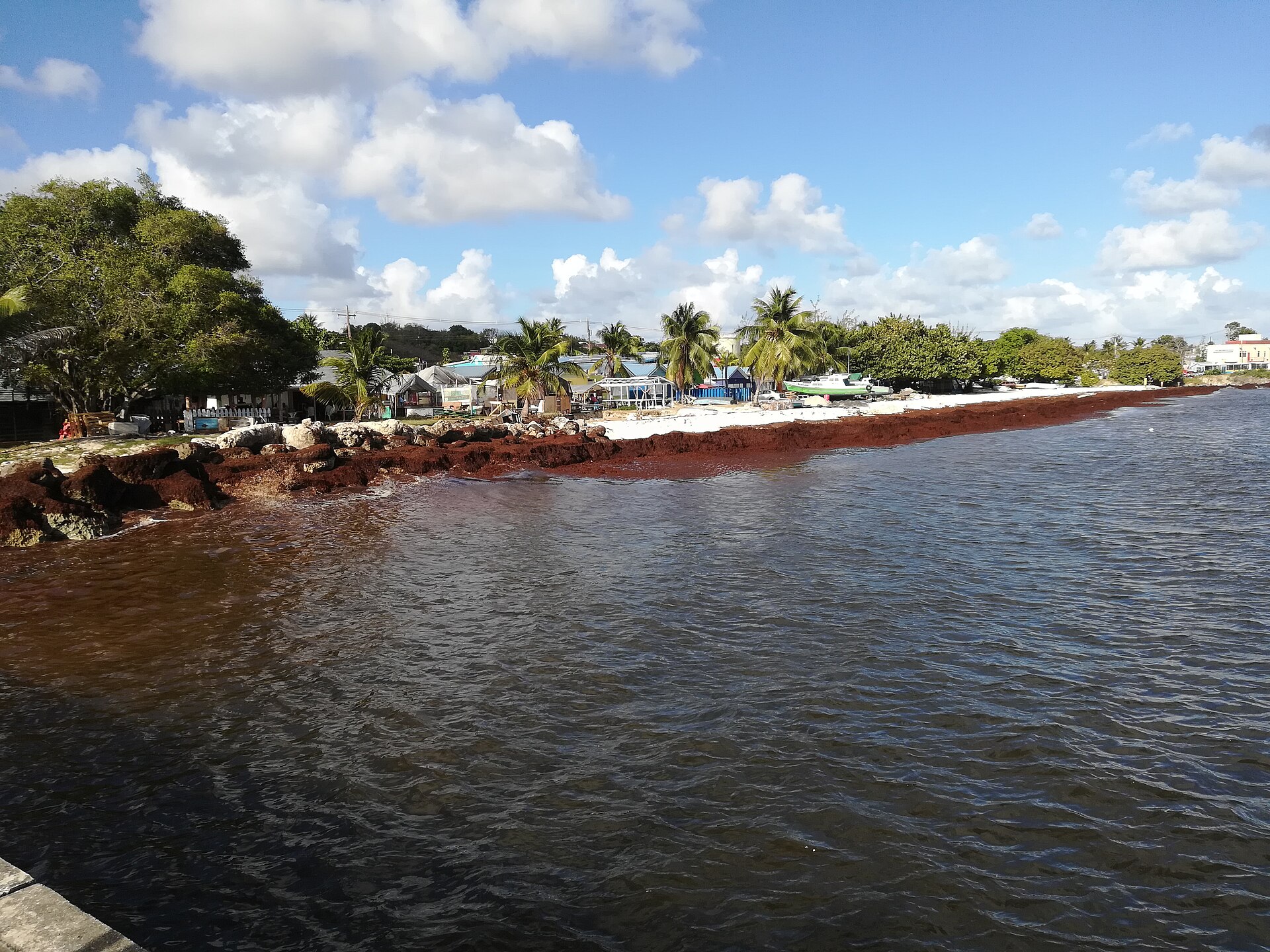
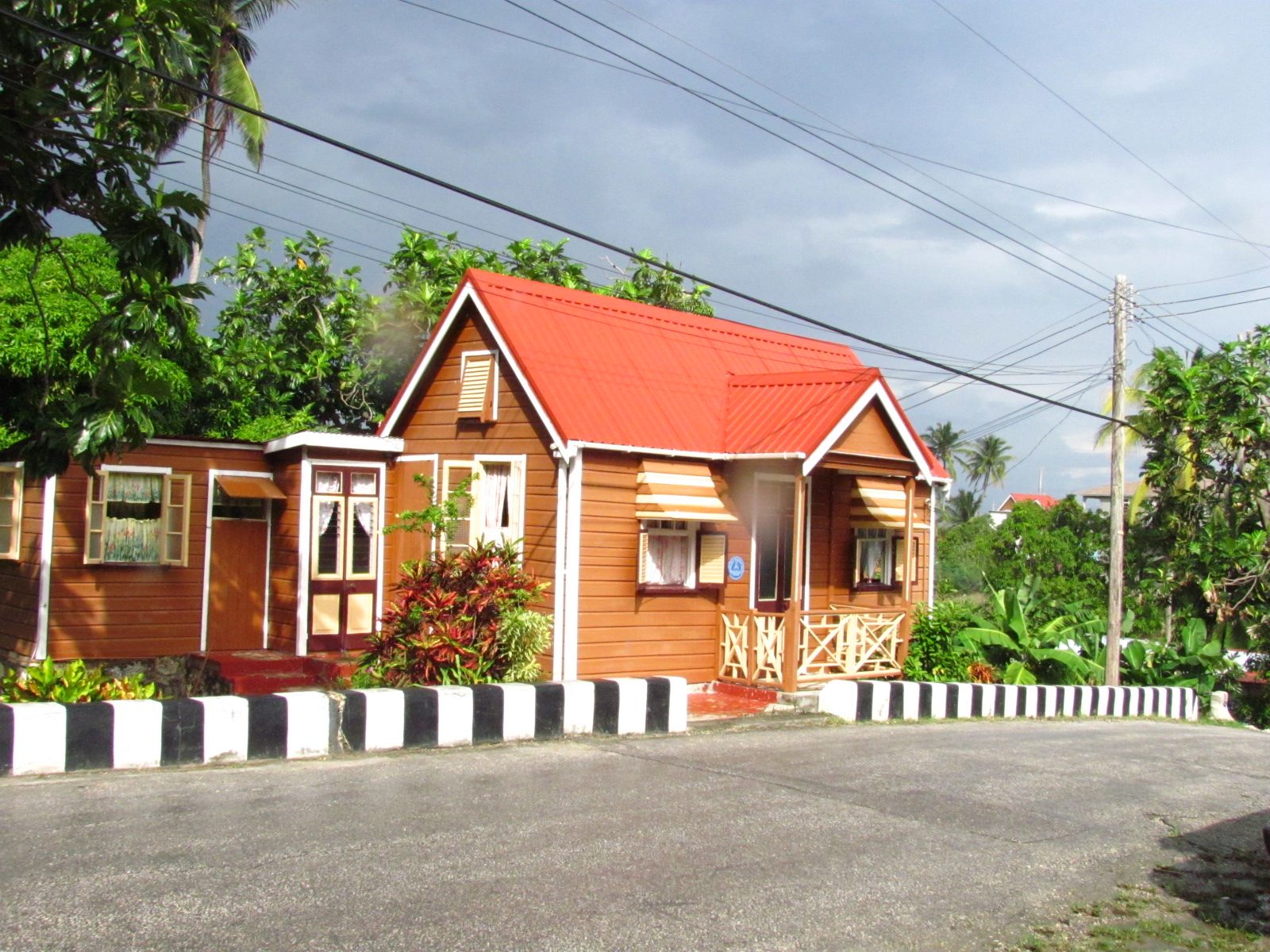
Photo: Clump, Wikimedia Commons, CC0
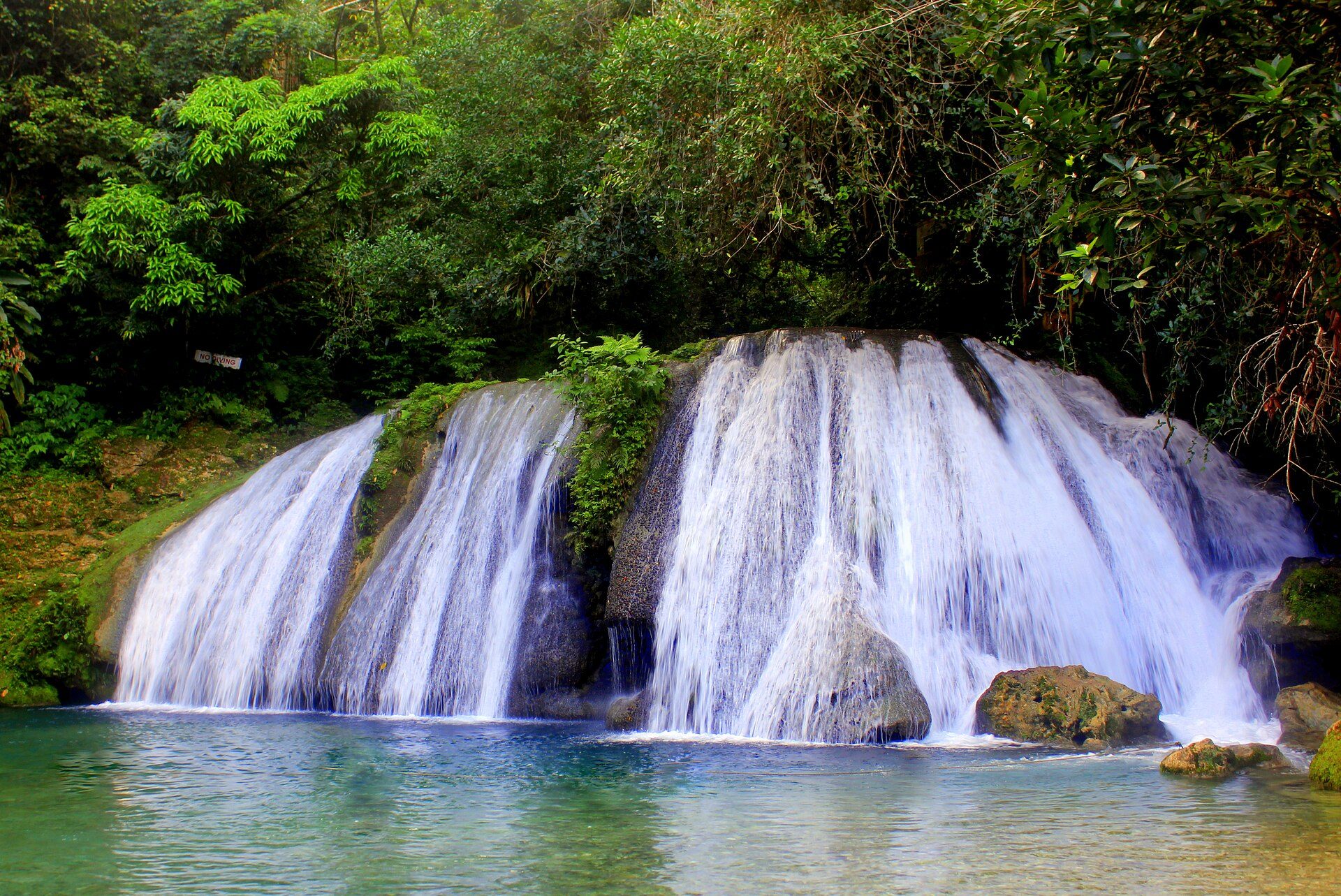
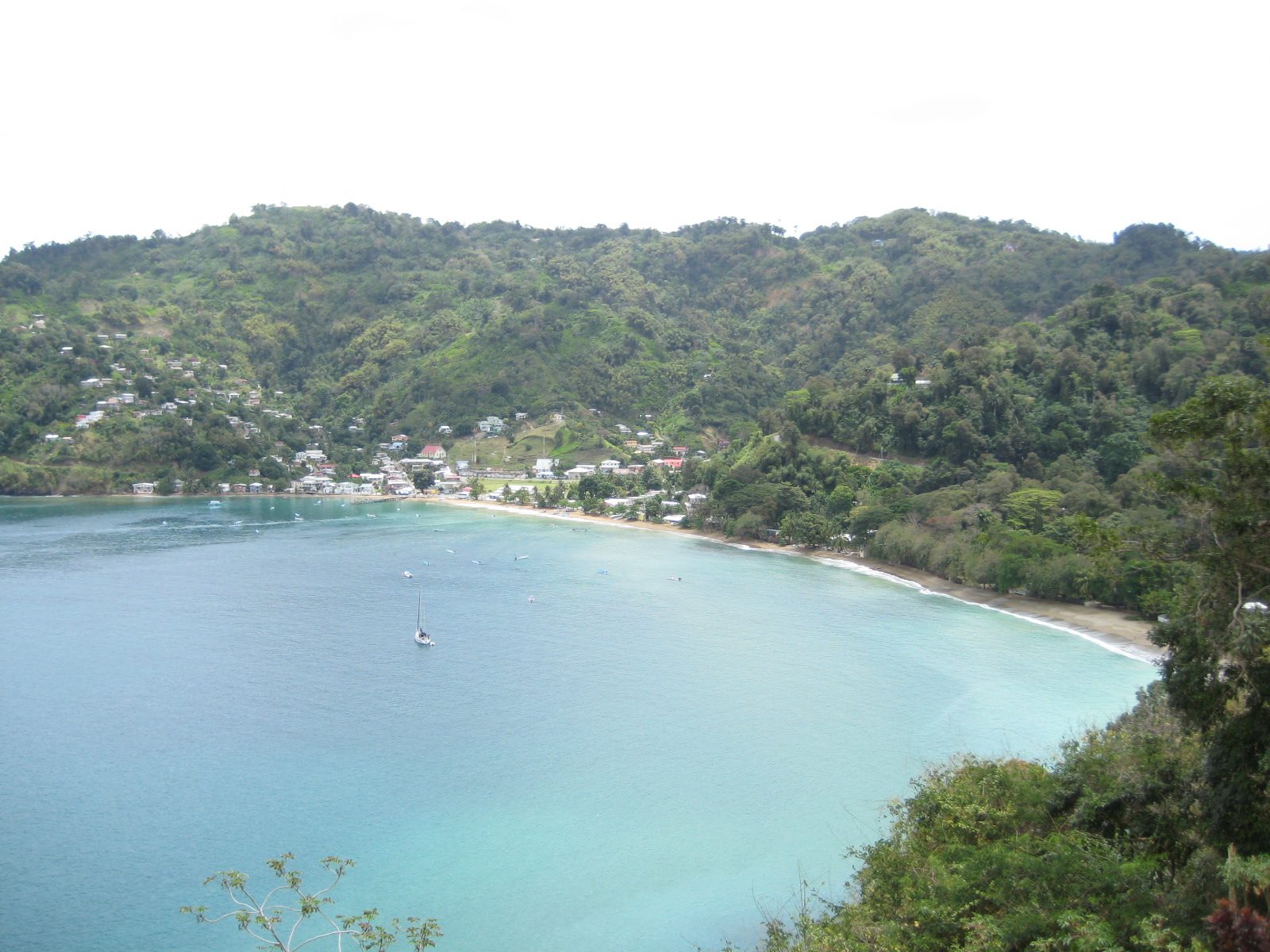
Photo: Morten Idriss Nygaar…, Wikimedia Commons, CC BY-SA 3.0
Evening: the part visitors usually miss
Caribbean evenings are social by design. The lime, the unhurried gathering of friends, family and neighbours, spills onto verandas, roadside grills and rum shops as the heat breaks.
Visitors are welcomed, but only if they arrive as guests rather than consumers. Buy a round, play the dominoes badly, ask questions and stay late enough to watch the island relax. This is the hour most holidays never see.
How to arrange a day like this
The reliable route is through local guides, cook networks and community hosts, arranged in advance, fairly paid, and small by nature. Our specialists work with hosts on each island we sell, and will build a resident-led day into any itinerary.
Respect does the rest. Arrive on time, photograph only with permission, pay what is agreed without haggling, and keep the day's details to yourself in the way that protects the people who shared them.
Frequently asked questions
Is a resident-led day safe?
Yes, hosts are vetted by established local networks and our specialists, and you are accompanied throughout. The settings are ordinary daily life, not remote adventures.
Do I need to speak much, or speak the language?
Curiosity is the only requirement. English is spoken across our destinations, and a genuine question usually opens more doors than any phrasebook.
How far in advance should we arrange it?
Two to four weeks in high season, and earlier for small islands where one or two hosts serve most visitors. Our specialists will confirm availability before your trip is finalised.
Independent CTT editorial. Not sponsored. Photo: Leslie Stone, Wikimedia Commons, Public domain. Details such as schedules and prices change, please confirm with a CTT specialist before travelling.