In brief
Why is Caribbean food so diverse?
Because four shores meet at one table. Indigenous peoples built the region's first kitchen, enslaved Africans supplied its techniques and foundations, European colonisers brought their own ingredients and institutions, and indentured workers from India and China added entirely new cuisines, all blended into the creole cooking the region calls its own.
Four shores meet at one table
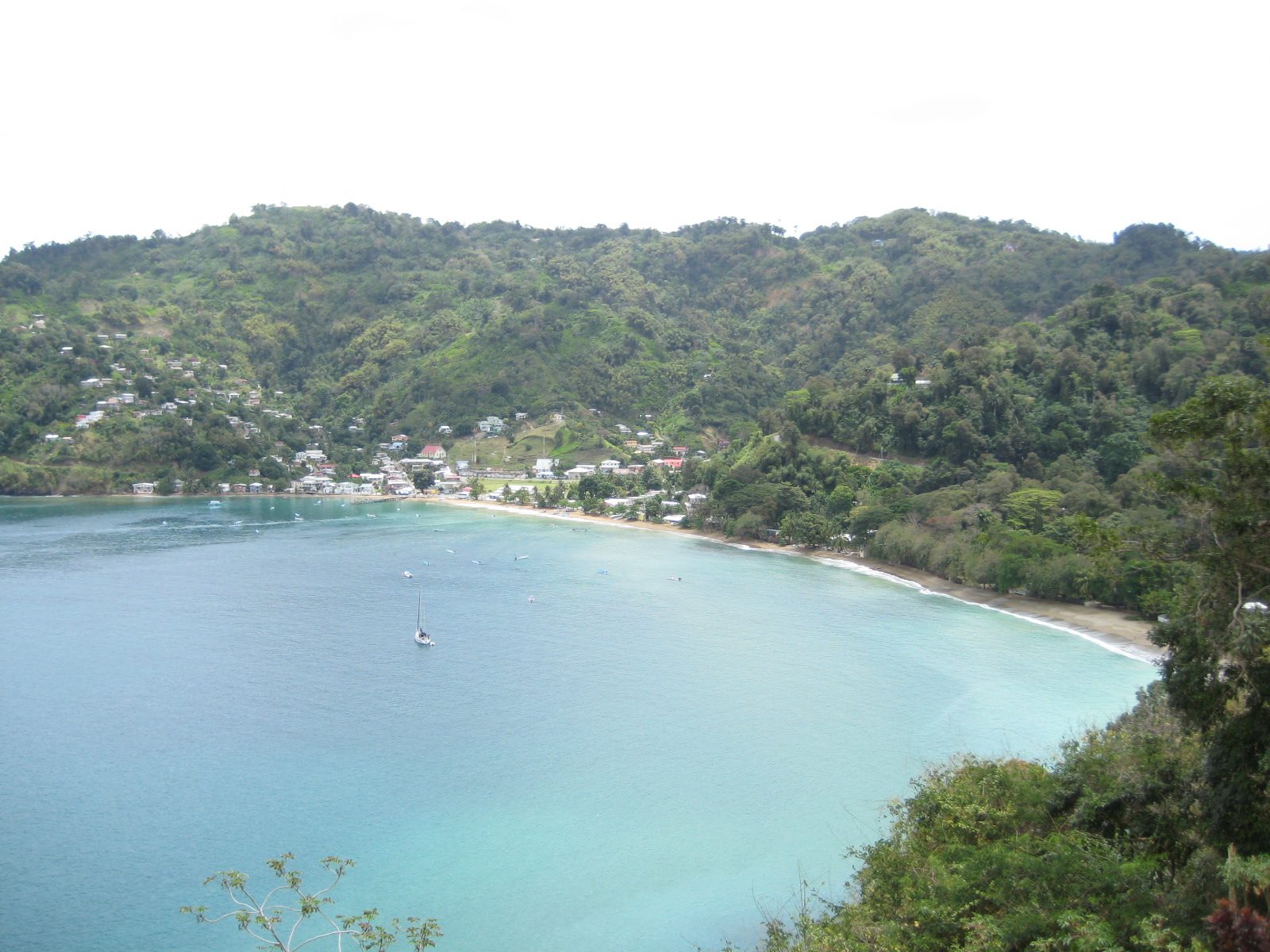
Few places on earth eat like the Caribbean. On a single island, often in a single meal, you can taste the cuisines of four continents, adapted to local ingredients and fused into something no other region produces.
This diversity is not a modern import. It was built over five centuries of encounter, forced migration and reinvention. Every signature dish has a lineage: the barbecue pit, the cooking pot, the curry pan and the baking oven each arrived from a different shore.
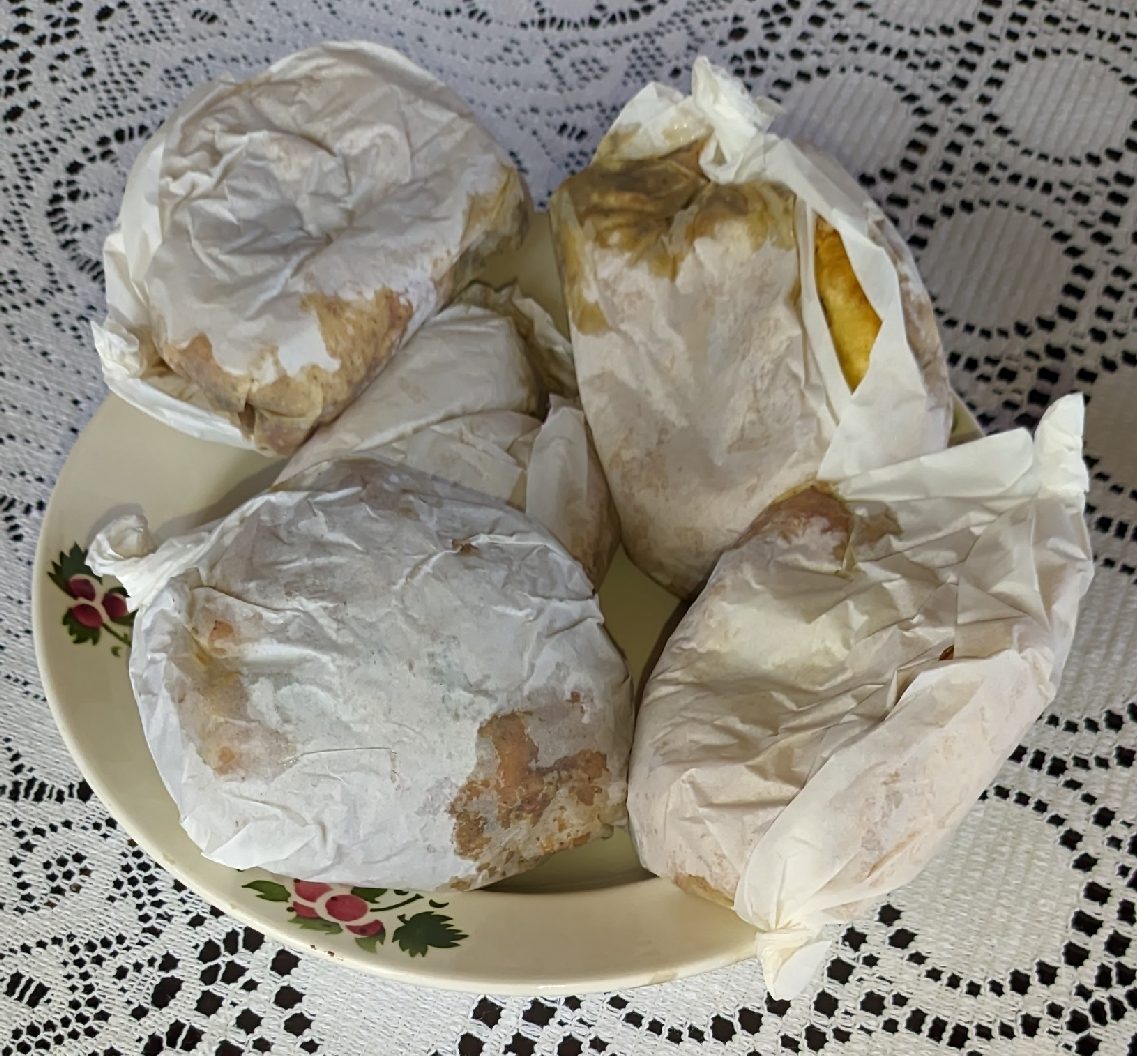
Photo: 999real, Wikimedia Commons, CC0
The first table: Indigenous roots
The region's kitchen began with its first peoples, the Taíno and Kalinago, who farmed cassava, maize, beans, peppers and fruit, fished the reefs and cooked over barbacoa frames that gave the world the word 'barbecue'.
Their legacy survives in the cassava bread still baked on some islands, in pepperpot stews built on the same principle their cooks used, and in the regional vocabulary of food itself. The Indigenous kitchen never disappeared; it became the foundation the later shores were built on.
African hands, African knowledge
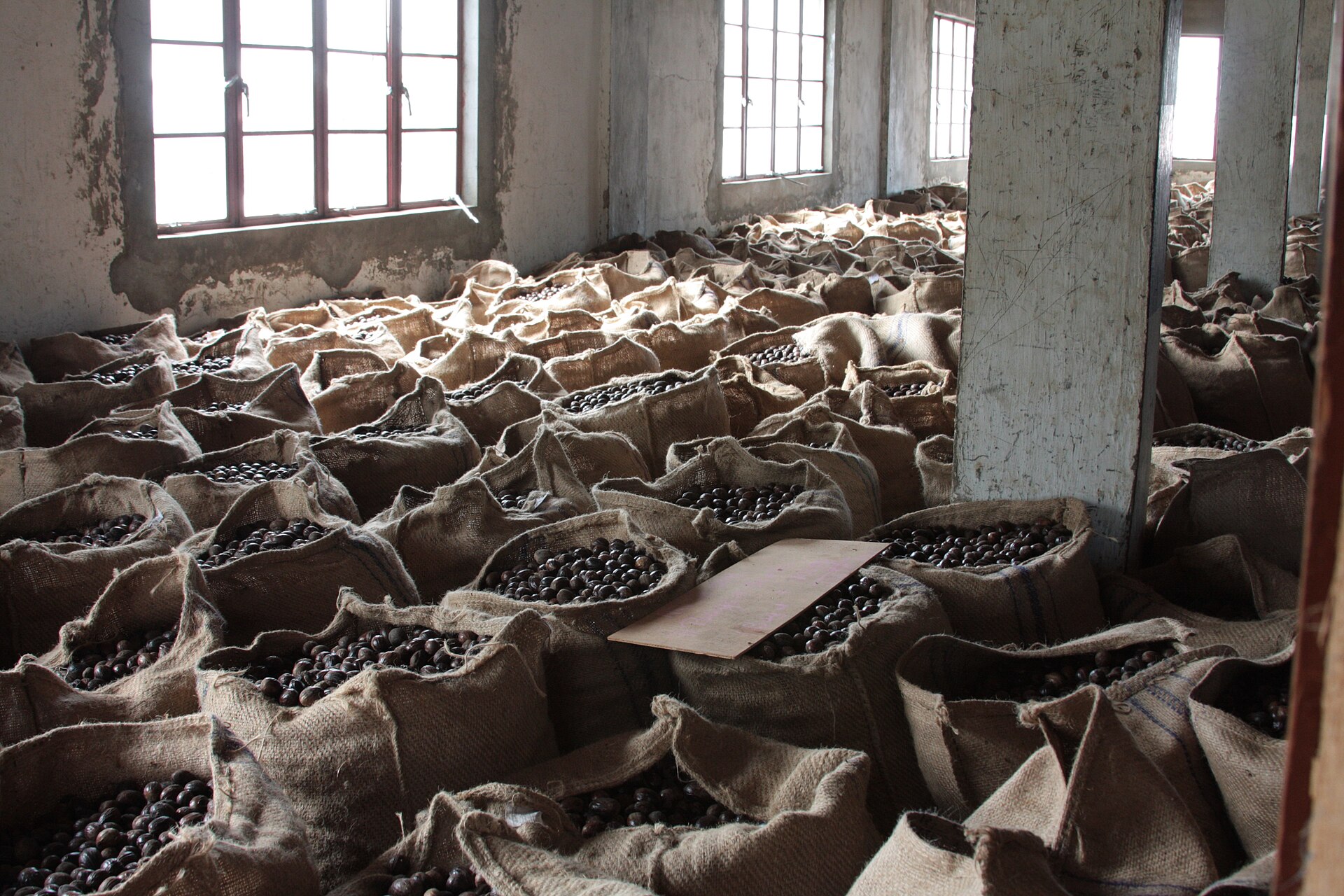
The deepest layer of Caribbean cooking is African. Enslaved people brought the agrarian and culinary knowledge of West and Central Africa, one-pot stews, deep frying, okra and callaloo, yams, pigeon peas and rice cultivation, and made remarkable cuisine from rations and provision grounds.
Dishes the region now treats as heritage, cou-cou, foo-foo derivatives, gumbo cousins across the region, carry that lineage directly. So do the techniques: seasoning meats in advance, building flavour slowly in a single pot, cooking greens until they surrender. Caribbean food's soul is African, and saying so plainly matters.
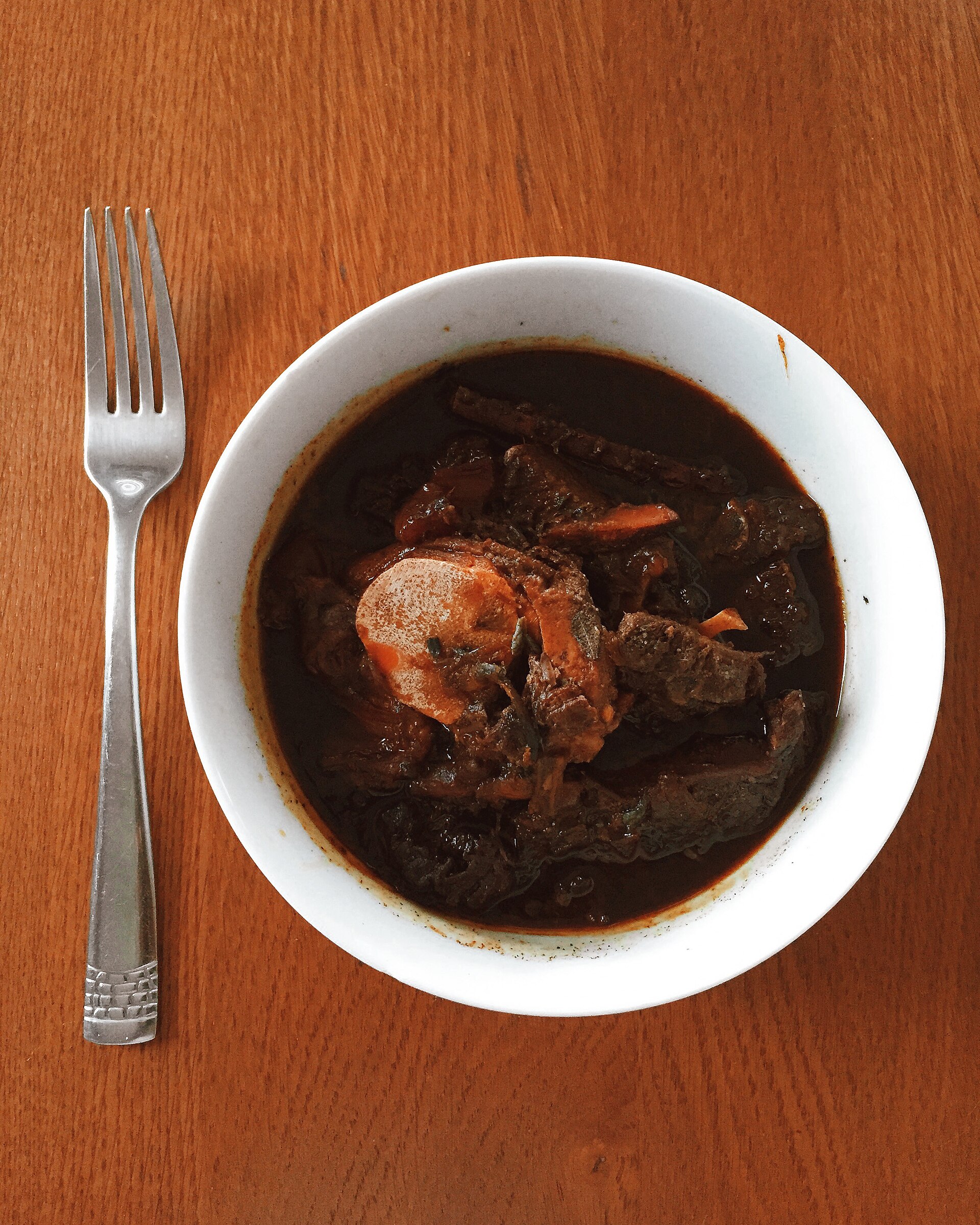
Photo: Simon Abrams from Brooklyn, USA, Wikimedia Commons, CC BY 2.0
Europe: colonisers and their kitchens
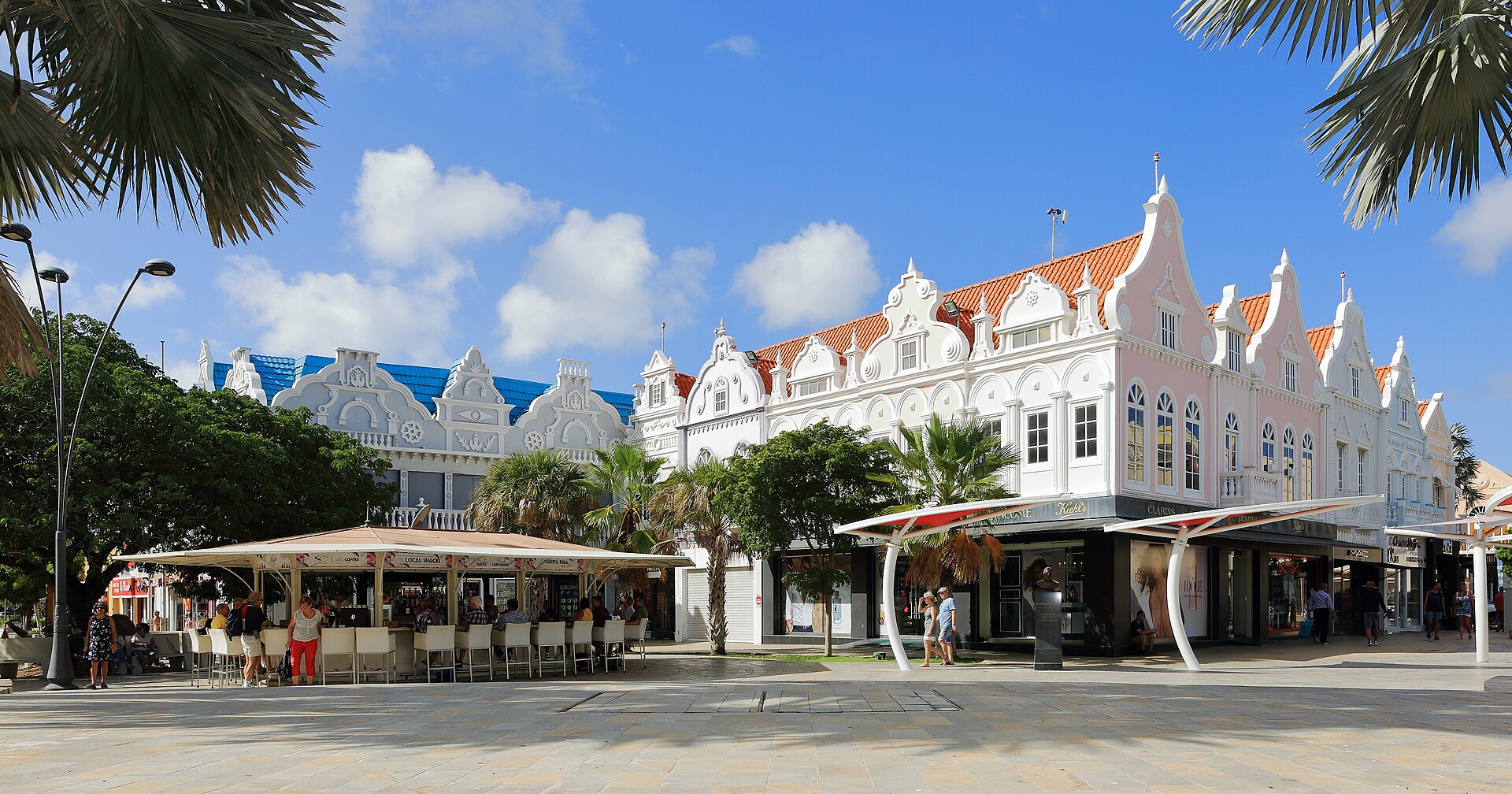
Spanish, English, French and Dutch colonisers each left a kitchen behind. Salted and preserved meats, wheat baking, dairy, stews and pickles arrived with them, saltfish, once a trade good, became an ingredient the region made its own.
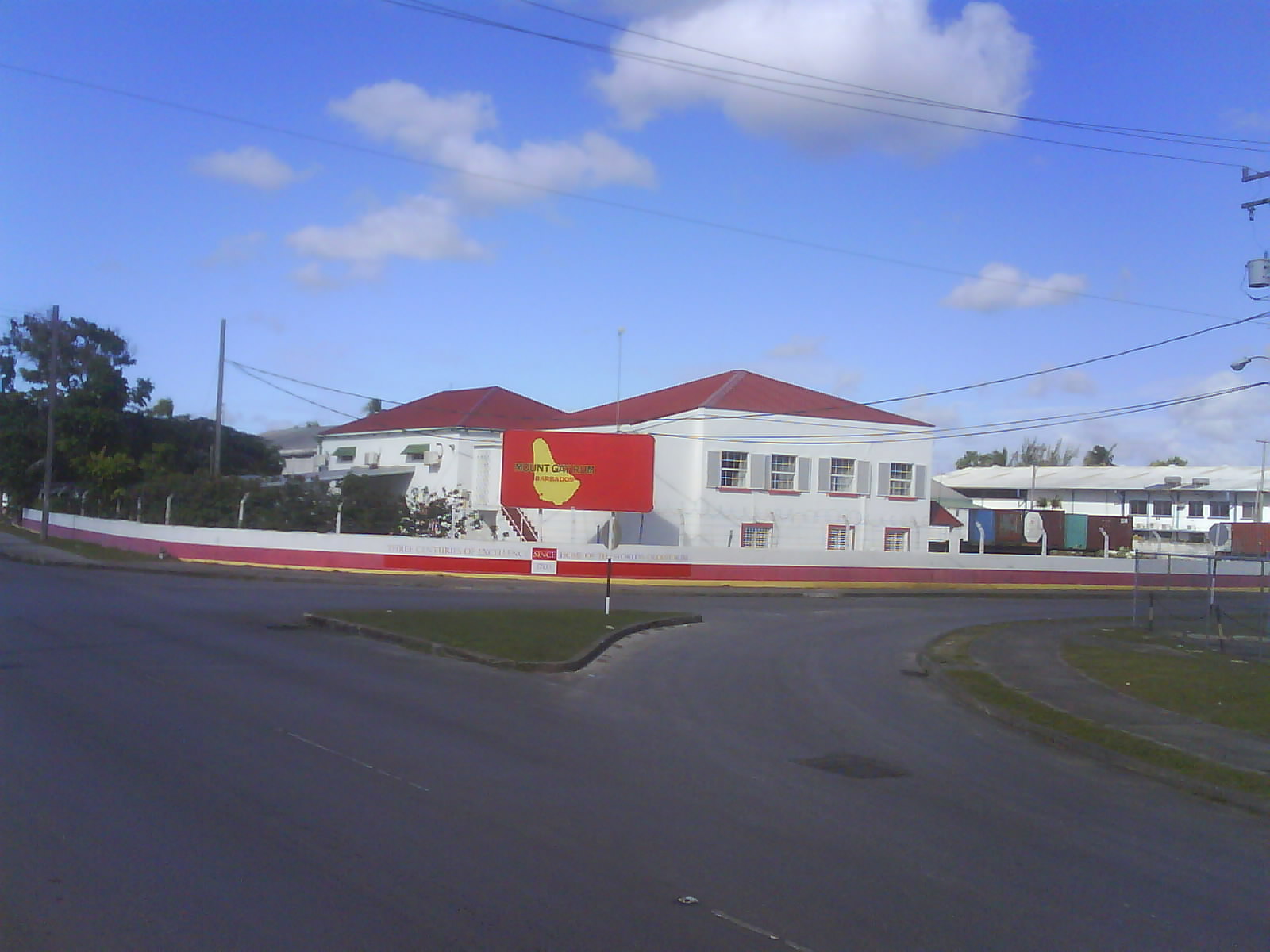
Each power stamped its islands differently: the French Caribbean's creole cuisine is built on French technique and African ingredients; the Dutch islands cook dishes like keshi yena, a stuffed cheese born of colonial kitchens; and the British legacy lives in everything from rum-shop culture to Sunday baking.
Asia: indenture and new kitchens
After emancipation, indentured workers from India and China arrived across the region, most numerously in Trinidad, Guyana and Suriname, and brought entire cuisines with them. The rotating chapati became the Caribbean roti; curries, dhal and rice dishes took on local peppers and provisions.
Chinese Caribbean communities added their own restaurants, ingredients and techniques, especially in Trinidad. Alongside later migrations from the Middle East and elsewhere, these kitchens made places like Trinidad and Guyana among the most flavour-diverse territories on earth.
- Indigenous
- Cassava, barbacoa, pepper pots
- African
- One-pot cooking, okra, callaloo
- European
- Saltfish, baking, creole technique
- Asian
- Roti, curry, Chinese Caribbean kitchens
Creole: the region's own answer
What makes the Caribbean extraordinary is not that these cuisines coexist but that they fuse. Jerk is Taíno barbecuing with African seasoning over local pimento wood. Trinidad's doubles fold Indian channa into African street-food instincts. Callaloo travelled from West Africa and was remade with island greens.
Tasting the region well means tasting the layers: a market breakfast, a village cook-shop, a roti shop and a creole fine-dining room are all reading the same history in different scripts. Eat widely, ask where each dish came from, and the Caribbean's whole story arrives on the plate.
Frequently asked questions
What are the main influences on Caribbean cuisine?
Four: Indigenous (cassava, barbecuing, pepper pots), African (one-pot cooking, okra, callaloo, seasoning traditions), European (saltfish, baking, creole technique) and Asian, mainly Indian and Chinese, brought by indentured workers and their descendants.
Which Caribbean island has the most diverse food?
Trinidad and Tobago is often cited, its cuisine blends African, Indian, Chinese, Creole, European and Middle Eastern influences, but Guyana, Suriname and the French Caribbean each carry similarly layered tables.
What is creole food in the Caribbean?
Creole cooking is the fusion cuisine the region created itself: European, African and Indigenous ingredients and techniques blended and adapted to local produce. Each island's creole table differs, but all are born of the same meeting of shores.
Independent CTT editorial. Not sponsored. Photo: Martin Falbisoner, Wikimedia Commons, CC BY-SA 4.0. Details such as schedules and prices change, please confirm with a CTT specialist before travelling.