In brief
Why is rum so closely tied to the Caribbean?
Rum is made wherever sugarcane grows, but the Caribbean is where its styles were born: the pot stills of Jamaica, the refined houses of Barbados, French-style agricole rhum on the islands that farm fresh cane juice, and the wood-aged depth of Guyana's Demerara. Each island's cane, water, yeast and climate leave a fingerprint.
A spirit with a memory
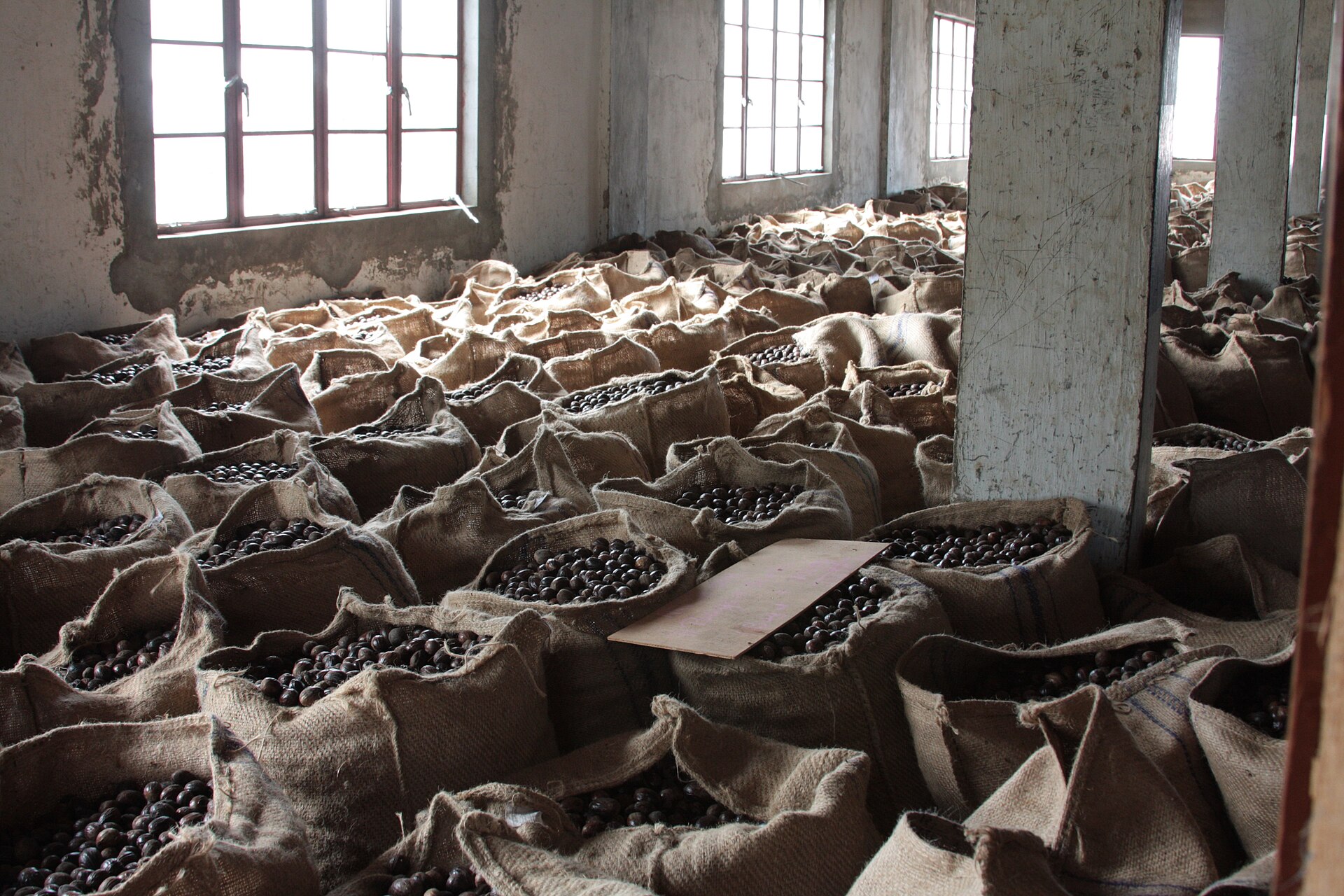
Rum's story is the Caribbean's story, celebrated and complicated at once. Sugarcane arrived with colonisation, and the industry it built was inseparable from enslavement; the estates that still distil today often stand on ground where that history is being honestly confronted.
Understanding that past is part of tasting seriously here. The craft itself was shaped by the people who worked the cane: the fermentation knowledge, the stillhouse instincts and the blending traditions that turned a by-product of sugar into a spirit the world now collects.
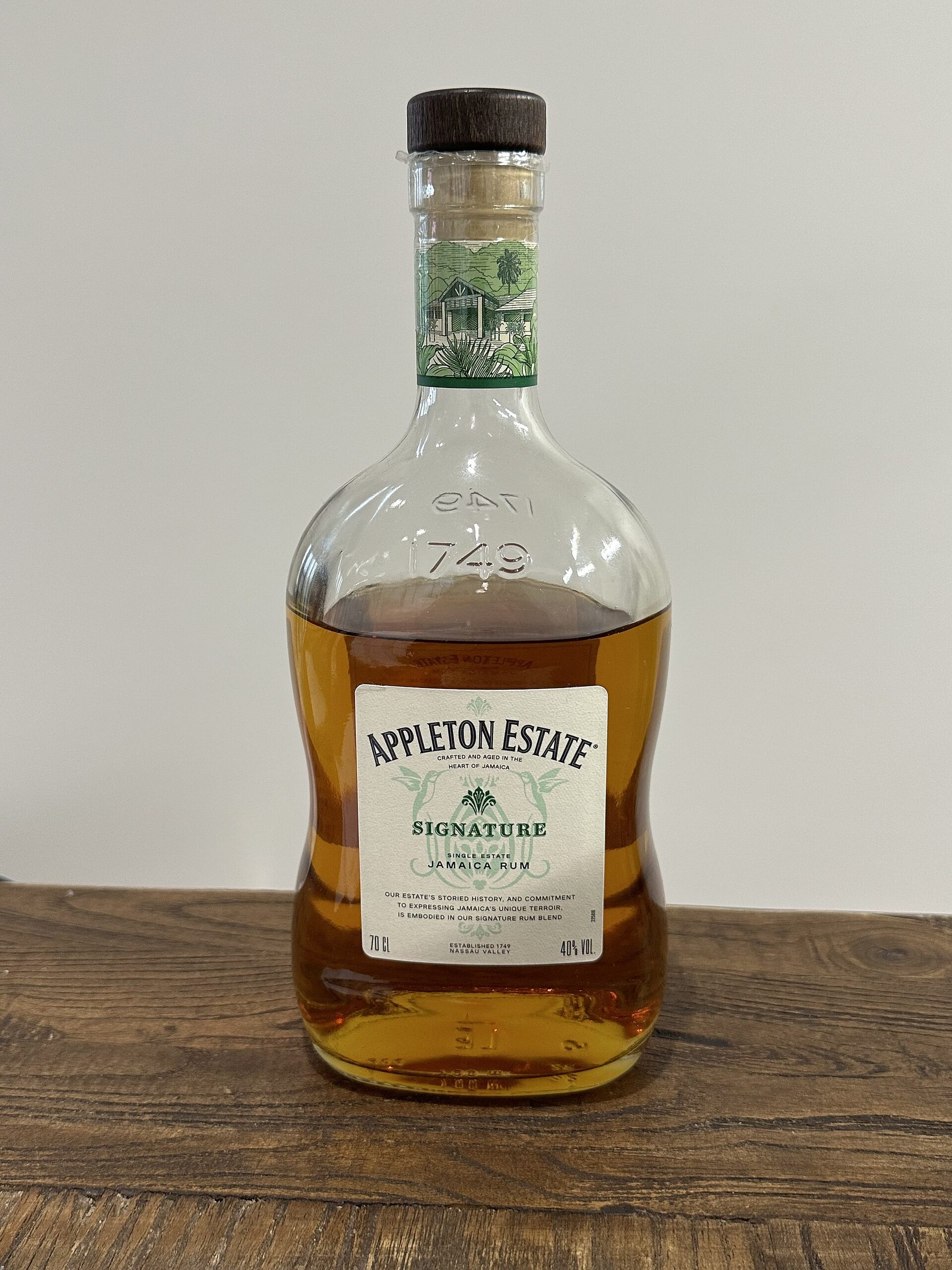
Photo: Indrajit Das, Wikimedia Commons, CC BY-SA 4.0
Terroir in the glass
Rum-makers talk about terroir with the conviction of winemakers. The cane and its variety, the island's water, the wild yeasts that drift through a distillery's open fermenters, even the bacteria that season a wooden wash, all of it shapes flavour before the barrel is ever chosen.
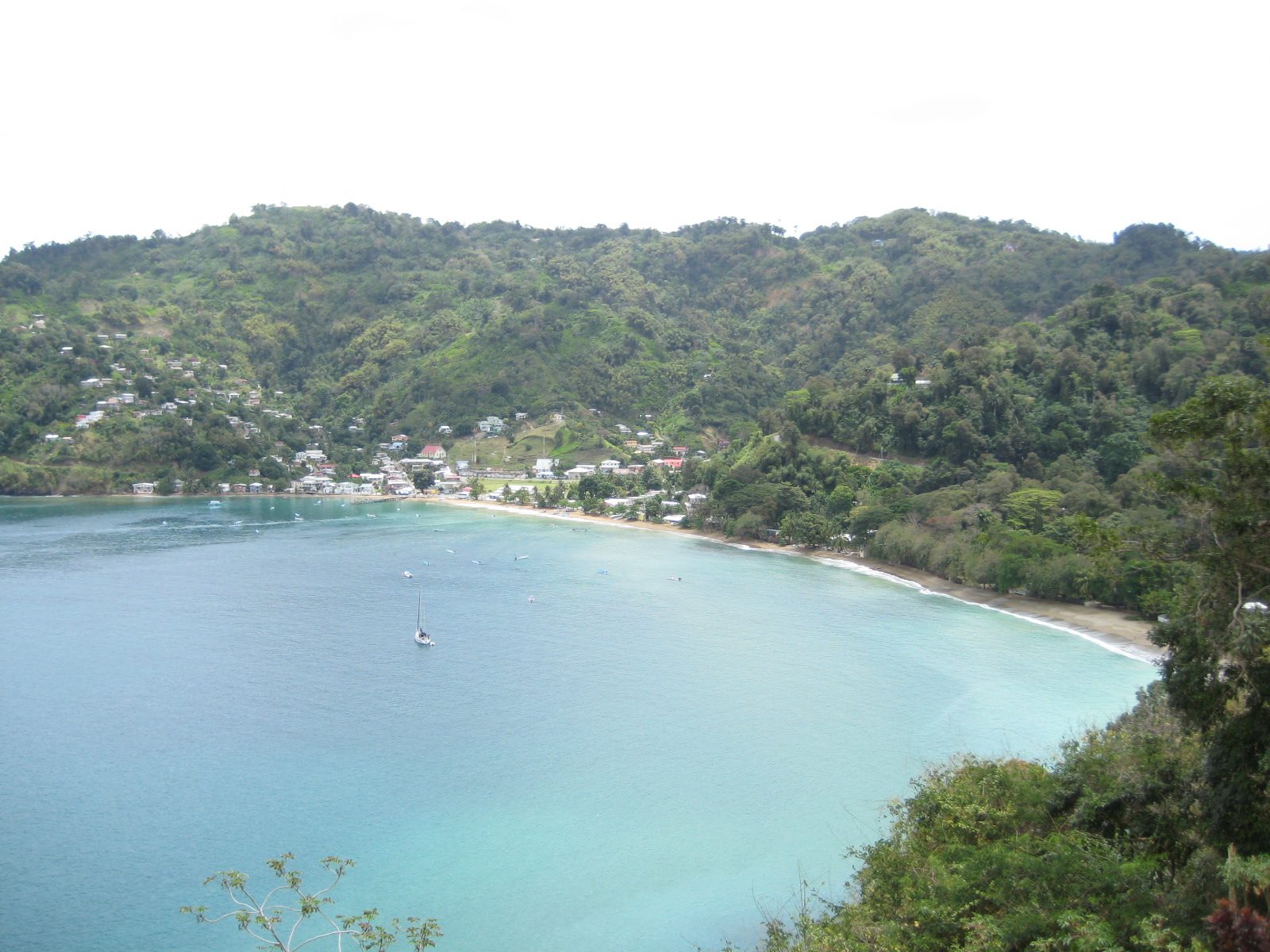
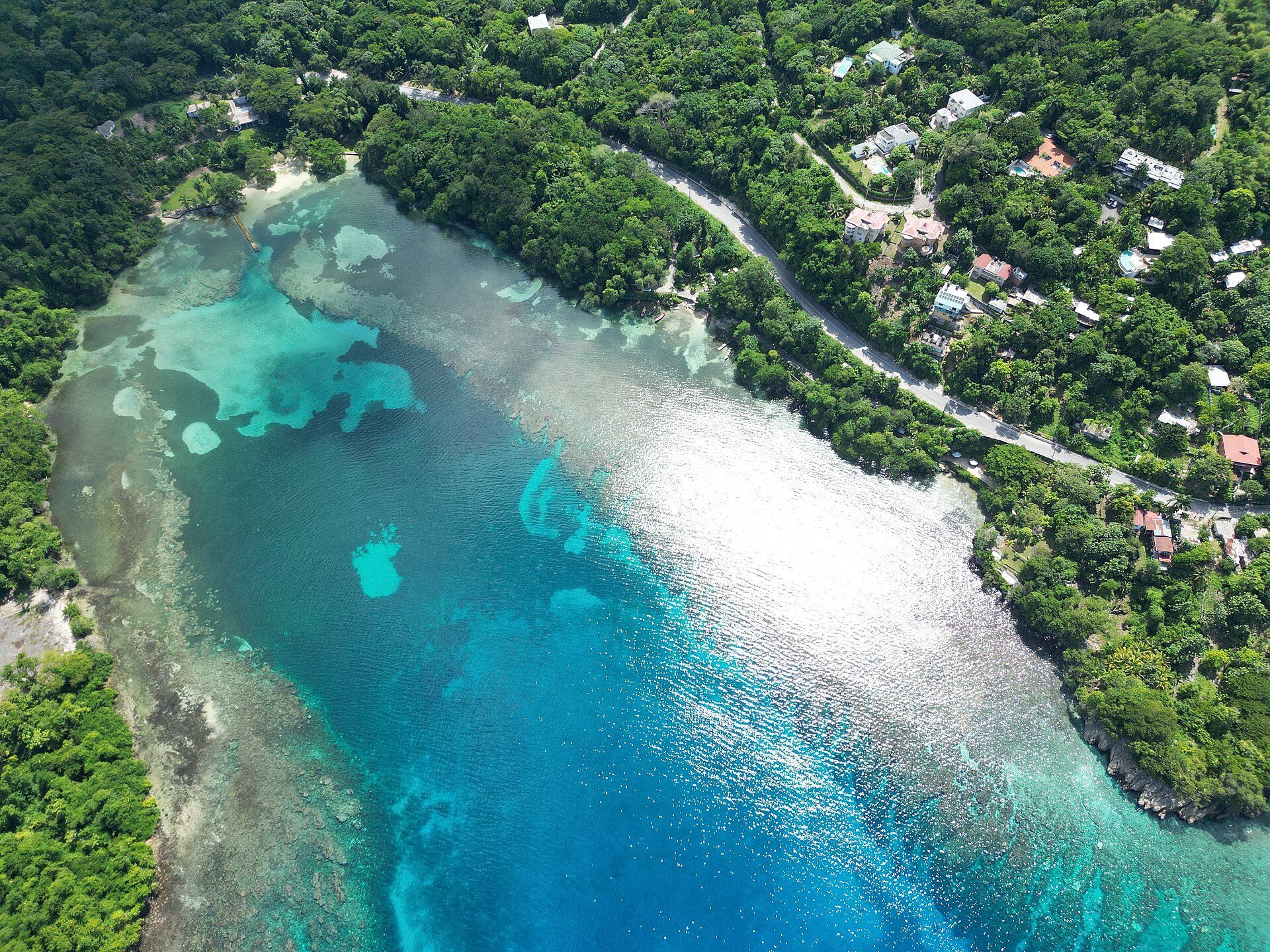
The result is island styles you can learn to read. Jamaica's pot stills produce funky, ester-heavy rums unlike anything else. Barbados favours balance and refinement. Guyana's Demerara rums carry a deep, dark richness. The French Caribbean distils fresh cane juice into grassy agricole rhum, a category of its own. Grenada, Trinidad and the smaller islands each pour their own variation on the theme.
The craft: stills, barrels and patience
The great dividing line in rum is the still. Pot stills make bold, characterful spirits in small batches; column stills make lighter, cleaner ones at scale. Most celebrated Caribbean rums are blends of the two, the distiller's art lies in knowing which pieces of which runs belong in the bottle.
Then there is the tropical barrel. In Caribbean heat, rum ages years faster than in Scottish warehouses, angel's shares of six percent or more, and wood influence in three years that temperate climates need ten to achieve. Blenders work across ages and warehouses to keep a house style consistent, a craft of memory and nose passed down through generations.
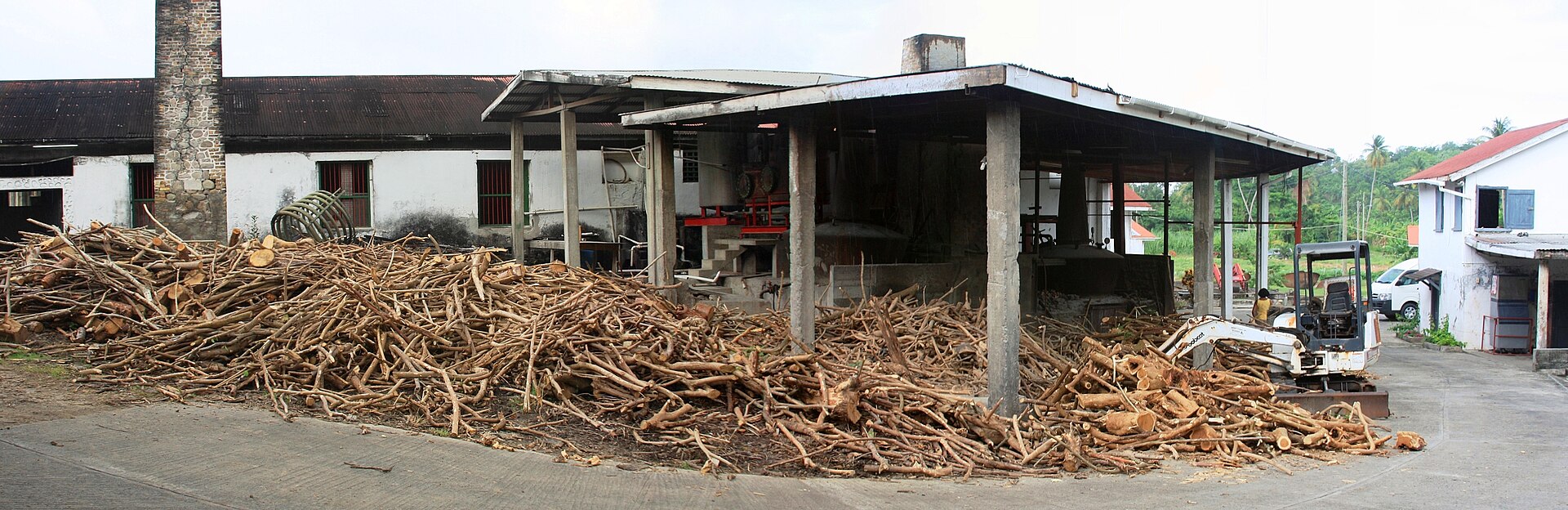
Photo: dpursoo, Wikimedia Commons, CC BY-SA 3.0
Tasting with the people who make it
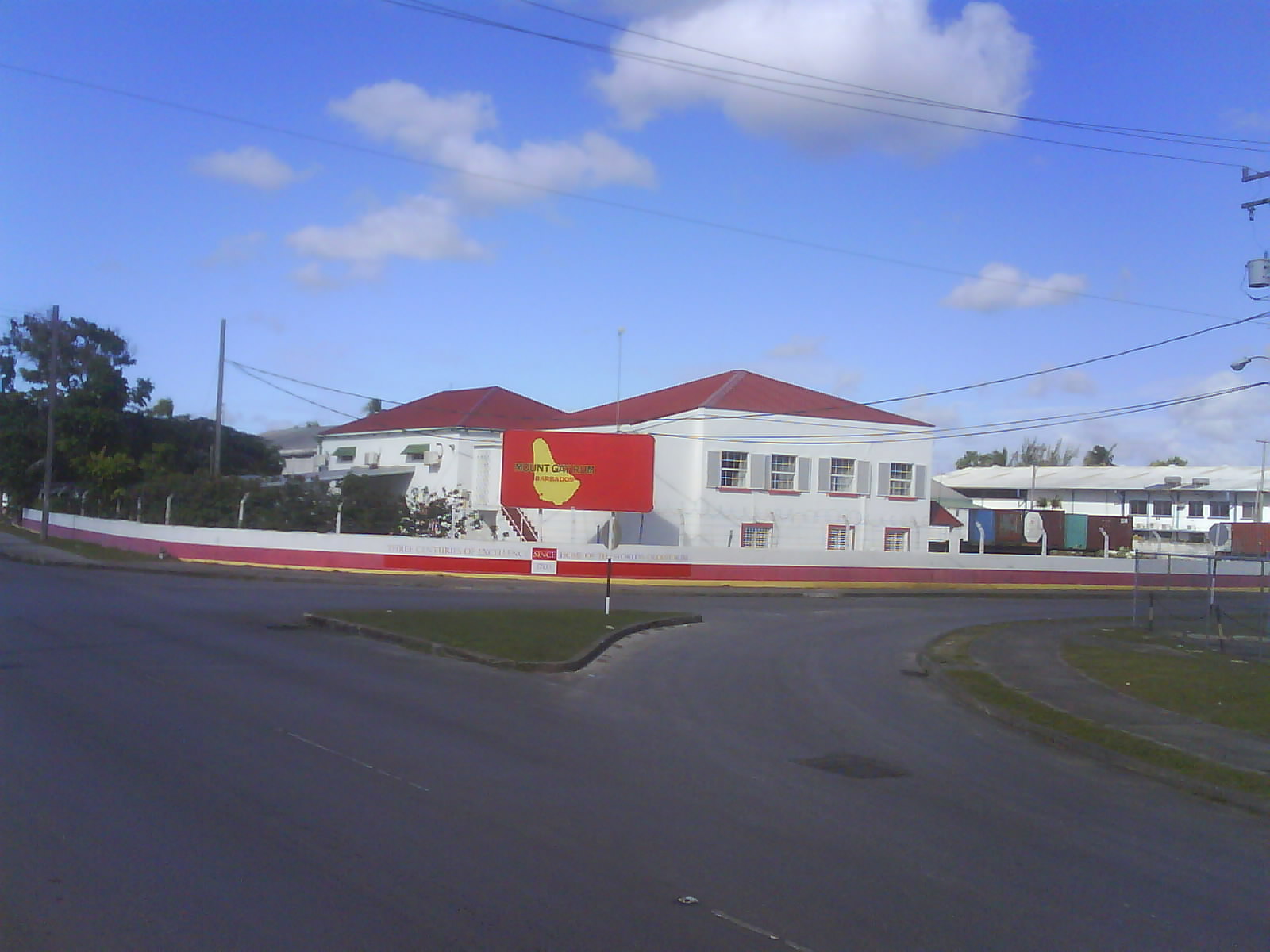
The Caribbean's working distilleries welcome visitors across the region, from centuries-old Barbadian houses to Jamaican estates whose wild-yeast open fermenters are living heritage, to Guyana's demerara operations and small island producers reviving cane grown a mile from the still.
Book ahead where tours are scheduled, and go with curiosity rather than a shopping list. The best visits end in conversation: the blender explaining why this cask was bottled when it was, the guide describing how the village uses the same rum at Christmas. That context is the part no bottle on a shelf carries.
- Barbados
- Refinement, heritage houses
- Jamaica
- Pot-still funk, wild ferments
- Guyana
- Demerara depth, wooden stills
Bringing the story home
A bottle bought at the distillery is a different object from the same label at home, you know the room it was poured in. Choose distillery-only releases where they exist, but also bring back the island's everyday expression; it is the taste the trip will remind you of.
And drink it as the region does: neat, over a rock or in something simple. The Caribbean's great rum traditions were built on hospitality, not ceremony, the best souvenir is the habit of sharing it that way.
Frequently asked questions
Which Caribbean island makes the best rum?
There is no single answer, the islands make different styles rather than better and worse ones. Jamaica leads on intensity, Barbados on balance, Guyana on richness, and the French Caribbean on fresh-cane agricole. The best island is the one whose style you drink.
Can you visit rum distilleries in the Caribbean?
Yes, working distilleries welcome visitors on many islands, from Barbados and Jamaica to Guyana and Grenada. Some require booked tours; check current visiting days before you travel.
What is the difference between rum and agricole rhum?
Most rum is distilled from molasses, a by-product of sugar-making. Agricole rhum, made mainly in the French Caribbean, is distilled from fresh pressed sugarcane juice, giving a grassy, vegetal style that its own rules and traditions govern.
Independent CTT editorial. Not sponsored. Photo: CaribDigita, Wikimedia Commons, CC0. Details such as schedules and prices change, please confirm with a CTT specialist before travelling.