In brief
What is a 'journey' trip in the Caribbean?
A journey trip is travel with a meaning attached: tracing family history through island archives and parishes, celebrating a milestone with the people who matter, or returning, sometimes for the first time, to a place that shaped you. The Caribbean is one of the few regions where all three are possible in a single trip.
Why we travel
Travel can be celebration. Discovery. Rest. Curiosity. And sometimes, return.
Most holidays answer the question of where. Journeys answer why. A birthday that needed marking, a family story that needed tracing, a promise made to a grandmother, these reasons change what the trip needs to be, and how it should be planned.
The Caribbean holds a particular place in this kind of travel. It is a region of departure and arrival, of diaspora and return, where almost every family carries a story that crossed the water. Journeys here are rarely just scenic.
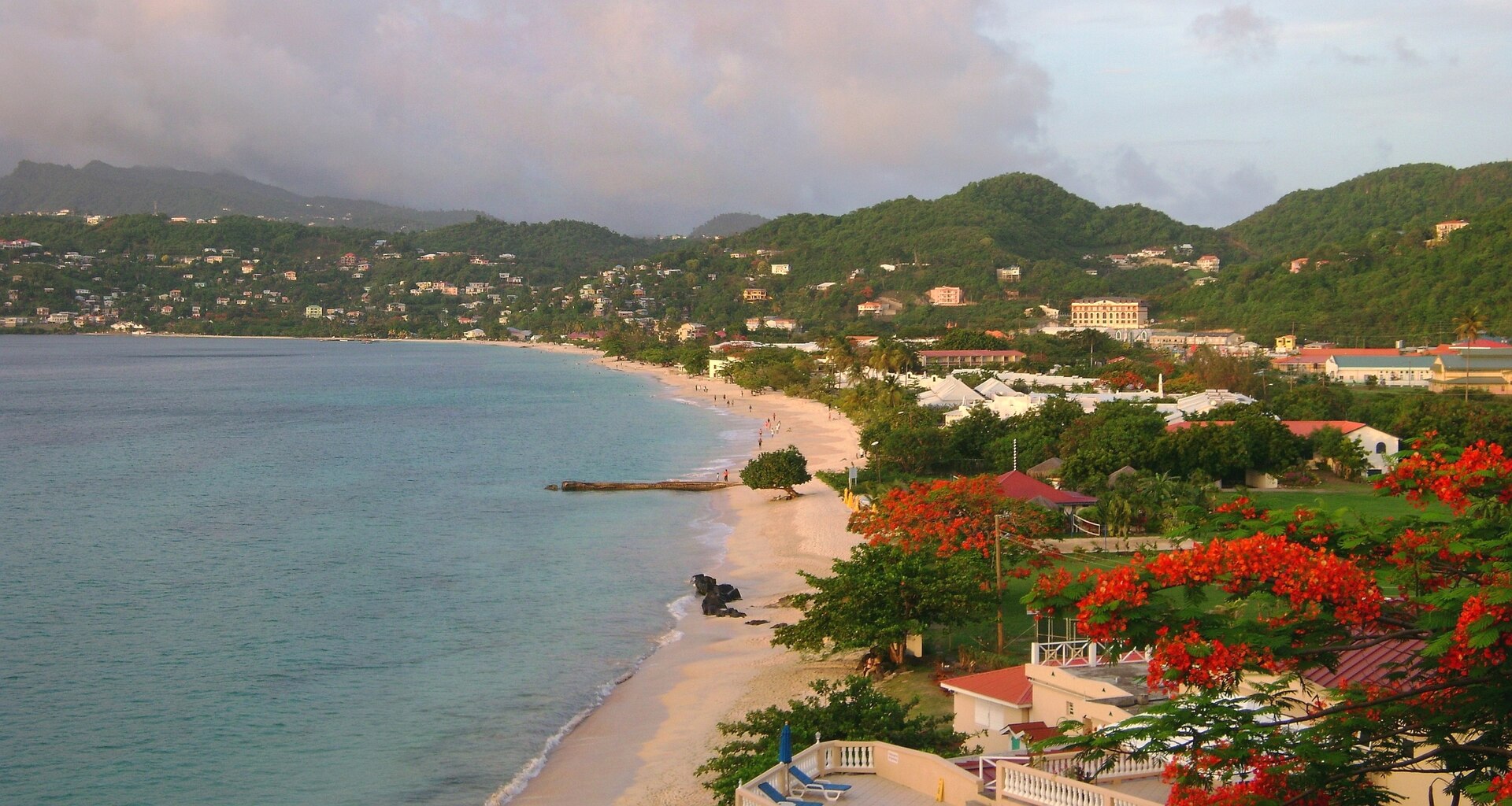
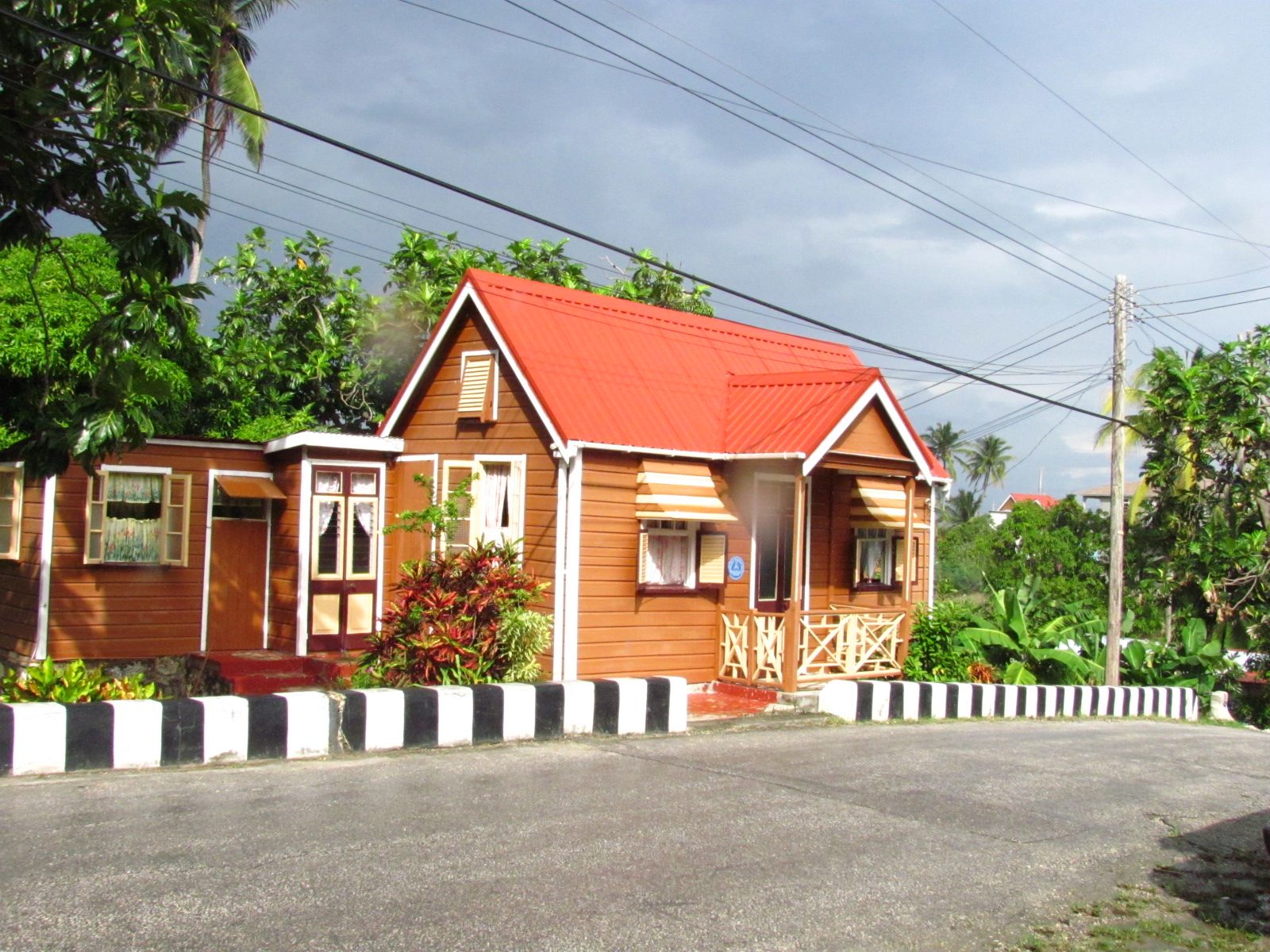
Photo: dpursoo, Wikimedia Commons, CC BY-SA 3.0
Heritage and ancestry
For travellers with Caribbean roots, the journey often starts in an archive: parish registers, emigration manifests, estate papers, records that name the people who left and the places they left behind.
The arc that works is research first, island second: assemble names, parishes and approximate dates at home, then walk the streets, churches and landscapes they belong to. The moment a listed address becomes a real road is the moment the journey stops being theoretical.
Our specialists help travellers pair the record-work with the right islands, and with the time, often a few unhurried days, that parish visits genuinely need.
Milestones
Some journeys mark a date: a sixtieth birthday, an anniversary, a retirement, a family scattered across three countries finally in one place. The Caribbean suits these celebrations because it does them well, private villas that hold a whole family, chefs and hosts who come to you, and water that keeps everyone outdoors.
The planning principle is simple: milestone trips are won on logistics, not locations. Lock the dates, the house and the flights early, then build the trip around who is coming rather than where to go.
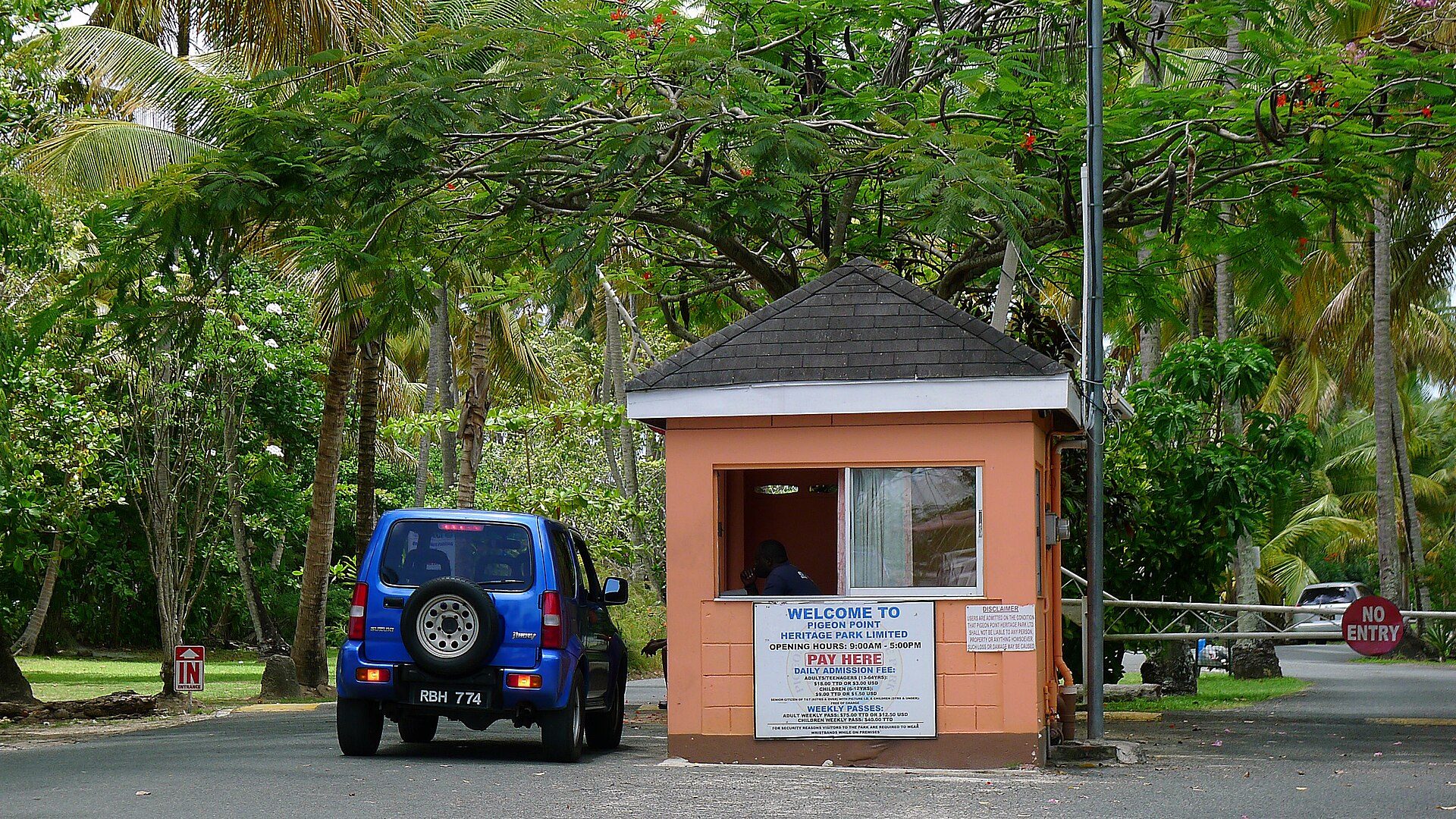
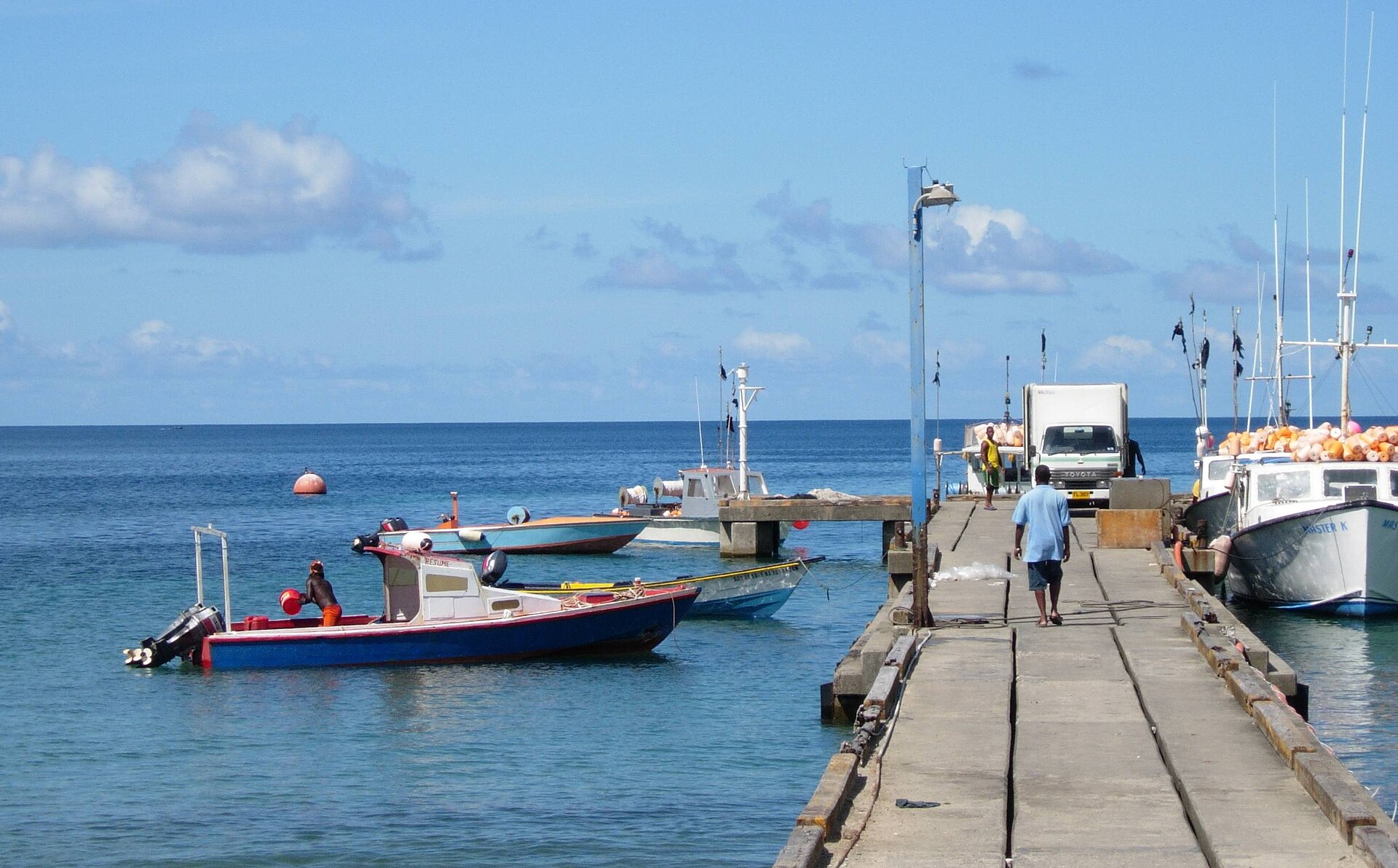
Photo: Kalamazadkhan, Wikimedia Commons, CC BY-SA 4.0
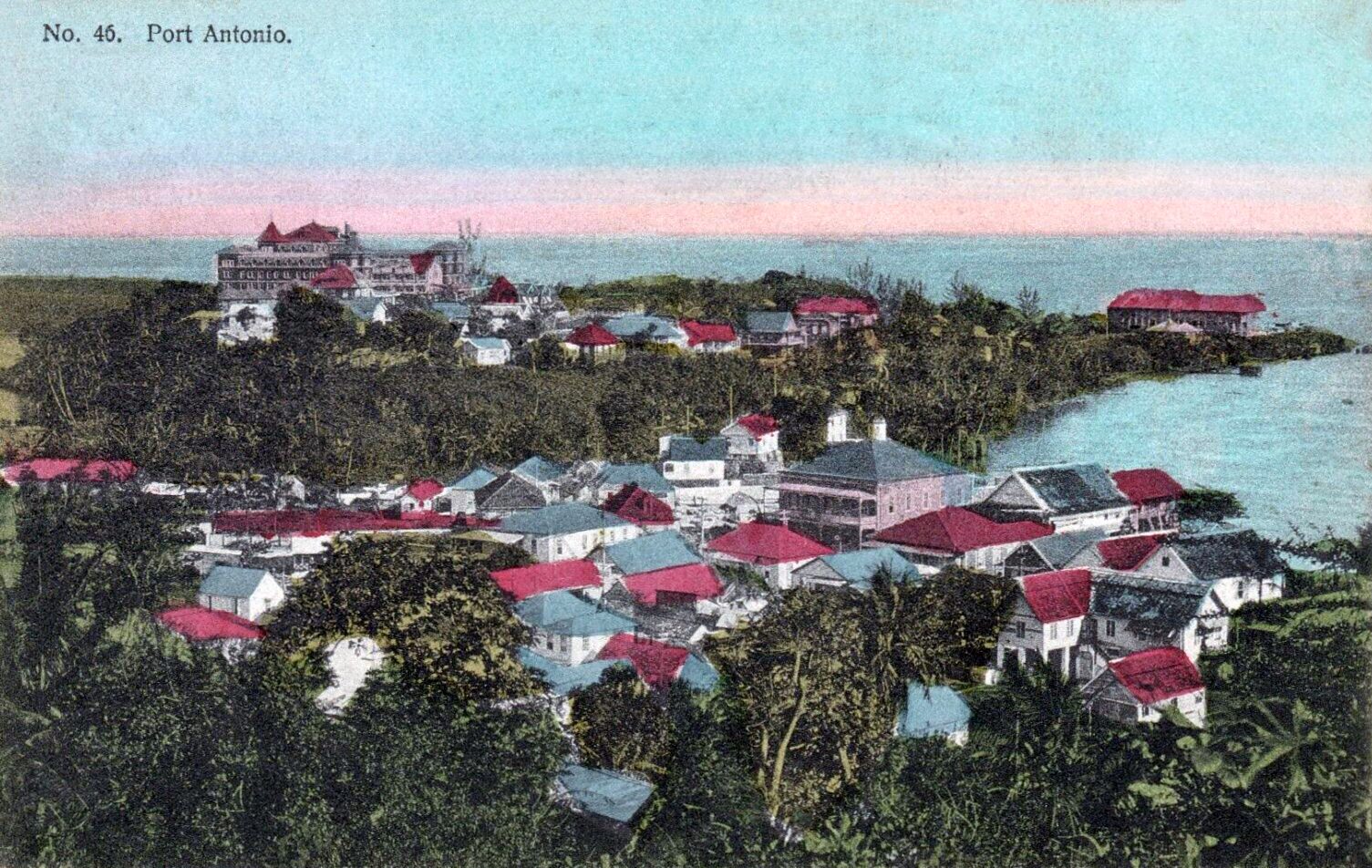
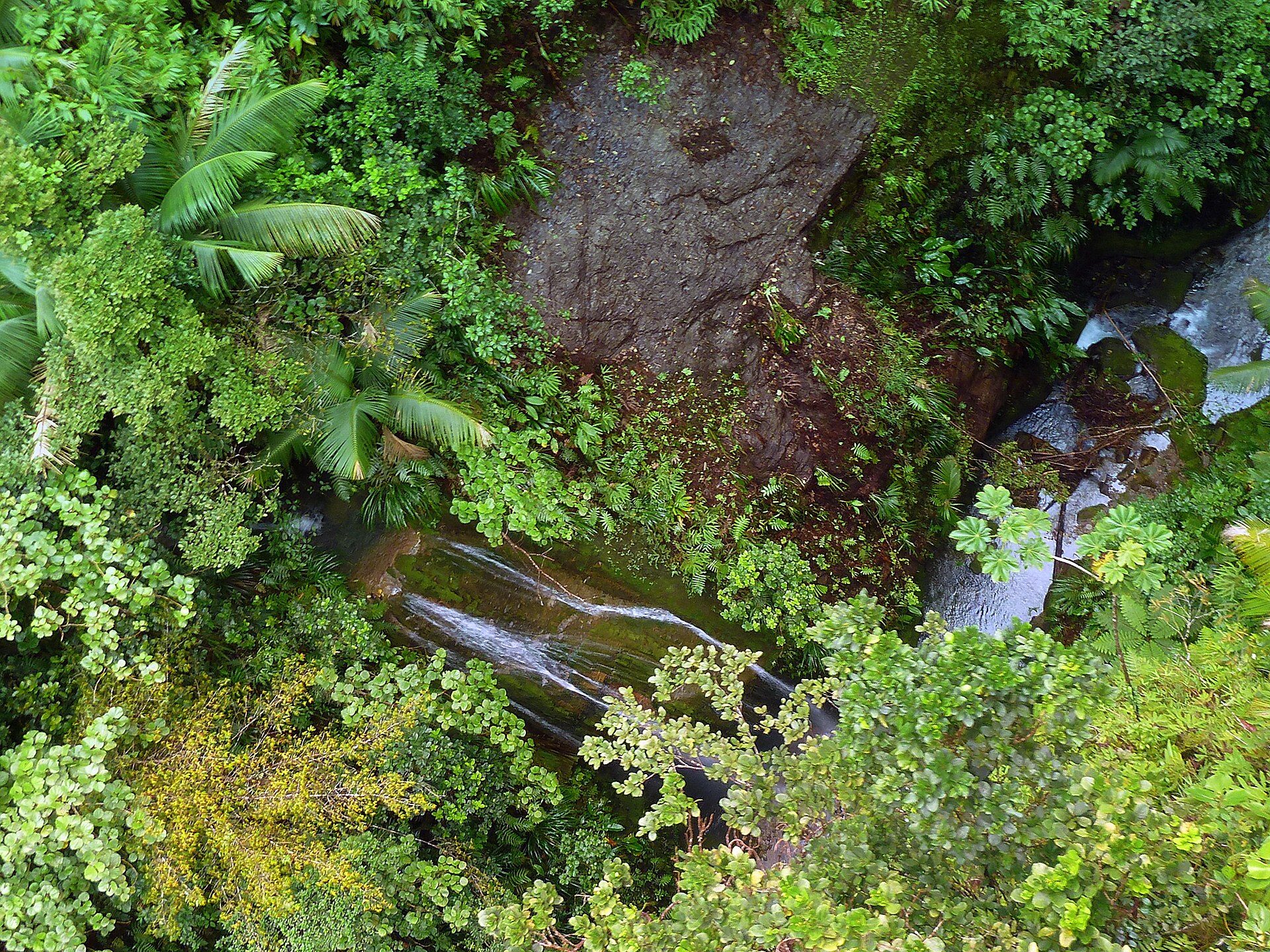
Photo: A. Duperly & Sons, Kingston, Wikimedia Commons, Public domain
Reconnection
Then there is the journey of return, visiting family, seeing a childhood home, showing children where their parents grew up. These trips run on different fuel: not itineraries but people, and the time to sit with them.
Keep the schedule light. Two solid anchor points a day is plenty; the rest belongs to conversation, cooking, church, the rum shop, the beach you were told about. Reconnection needs room to happen.
Planning a journey that stays with you
Whatever the reason, journeys reward the same things: more time in fewer places, one local connection made early, and a written intention, what this trip is for, agreed by everyone travelling.
The experiences that stay with you are rarely the ones you planned most tightly. Plan the structure; leave the meaning loose enough to arrive on its own.
Frequently asked questions
How far in advance should we plan an ancestry trip?
Allow three to six months. Records requests and archive appointments can take weeks, and parish visits are best arranged once you know what the documents say.
Can a milestone trip work for a large family group?
Yes, private villas and staffed houses are designed for it. The keys are early booking, a single point of contact for the group and one shared activity per day rather than a packed schedule.
We are visiting family on island. Can we combine that with a holiday?
Absolutely, and it is common. Structure the visit days around family, then book a short resort or villa stay afterwards for the rest the trip also needs.
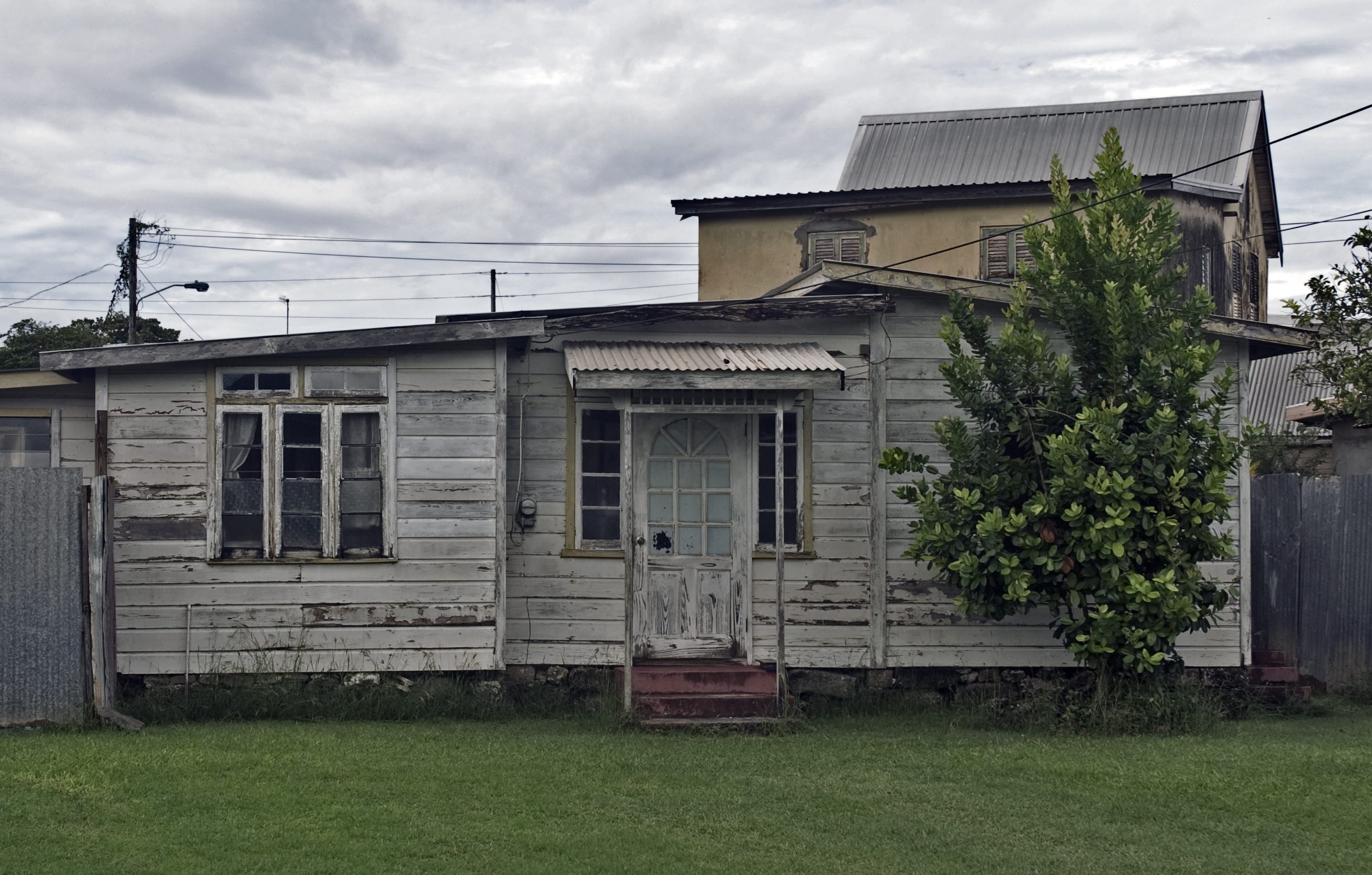
Independent CTT editorial. Not sponsored. Photo: Berit, Wikimedia Commons, CC BY 2.0. Details such as schedules and prices change, please confirm with a CTT specialist before travelling.