In brief
What is heritage return travel?
Heritage return travel is visiting a place connected to your family's story, an island your parents or grandparents came from, a parish named in a record, a house someone left. Travellers consistently describe it as more emotional than expected, and the best-planned trips leave unstructured time precisely for that feeling.
The arrival you didn't expect to feel
It catches people off guard. Stepping off the plane on an island your family left decades ago, the emotion arrives before the itinerary does, a jolt of recognition in a place you have never been.
Travellers describe it differently: standing in a parish church and seeing a family surname carved in stone; driving a road a grandmother described so many times it already felt known; the moment an archive clerk finds a page with your name on it. What they all say, almost without exception, is that they were not ready for how much it would move them.
This is the quiet truth of heritage travel: the journey is not to a destination, it is to a story, and stories are felt, not visited.
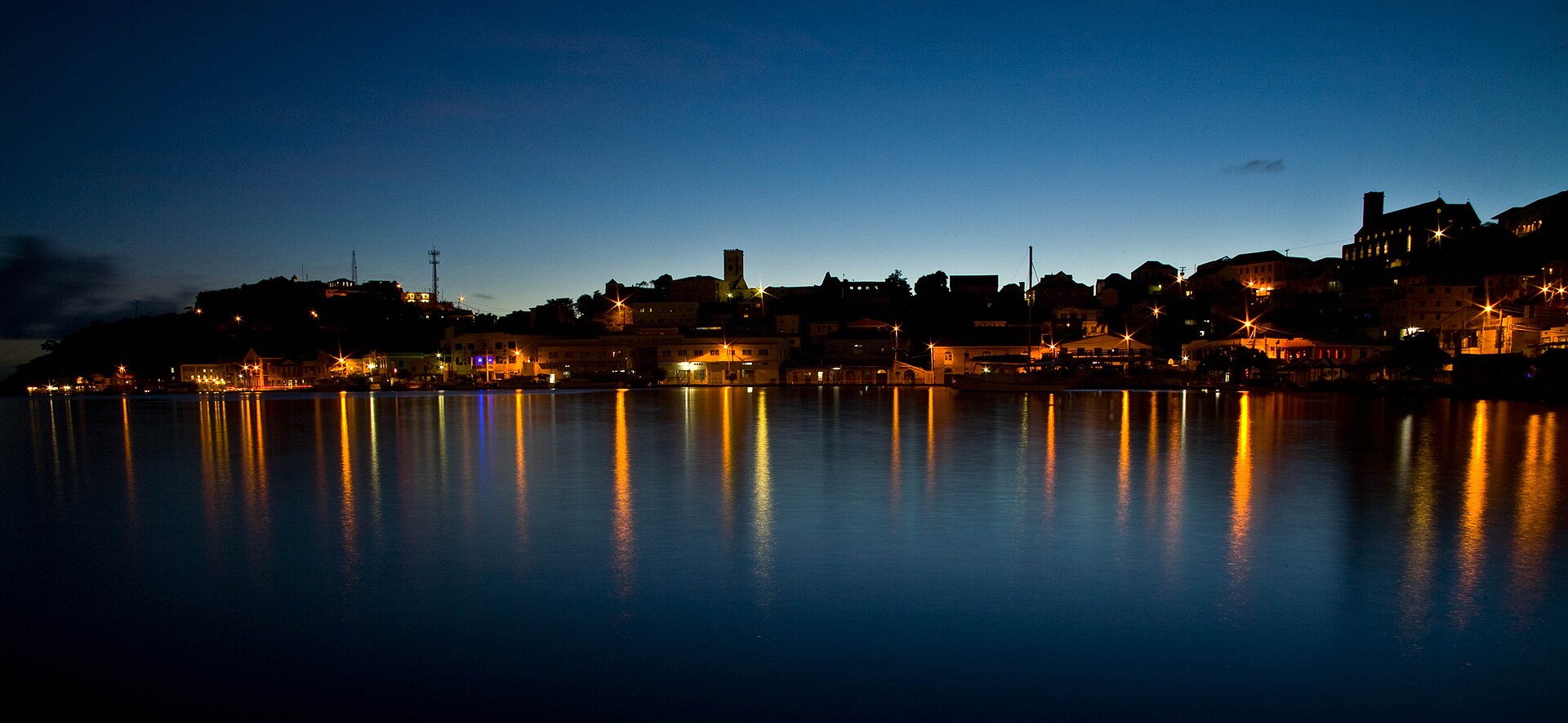
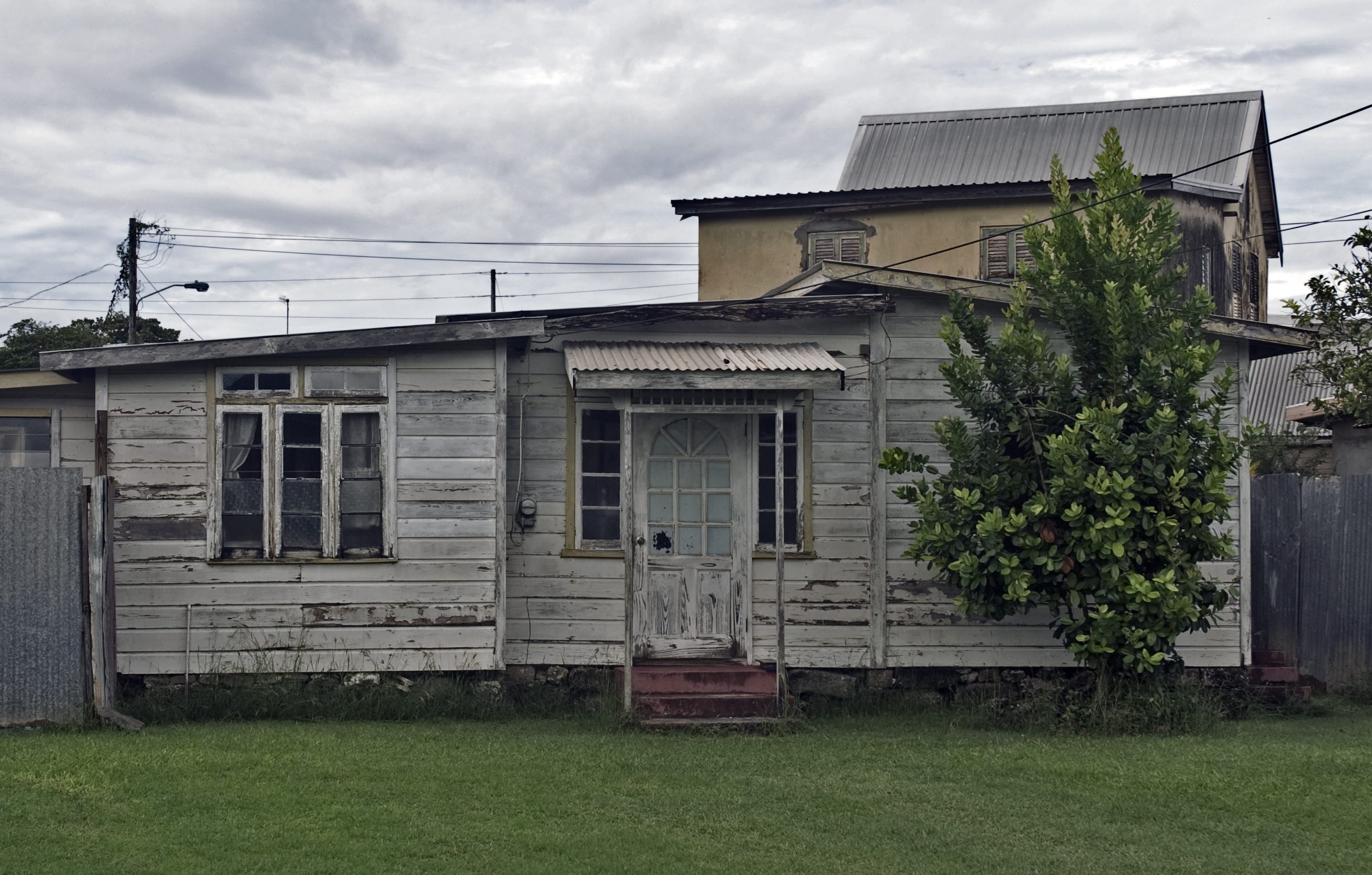
Photo: Ramakrishna Reddy Yekulla, Wikimedia Commons, CC BY-SA 3.0
Why it hits the way it does
Part of the emotion is completion. Families that migrated carry an unspoken thread, what was left, what was lost, what was sent for, and standing on the ground where it happened closes a loop that generations have been holding open.
Part of it is scale. A family story told in kitchens and letters suddenly has geography: real distances, real light, real heat. The abstract becomes walkable, and the mind struggles to process that quickly.
And part of it is belonging. Many returning travellers say the strangest feeling is being a stranger and a local at once, faces that look like family, rhythms that feel inherited. That mixture is exactly what makes the journey worth taking.
Planning for the feeling
You cannot schedule an emotion, but you can plan around it. Build the trip with fewer moving parts than a normal holiday: one island rather than three, one base rather than nightly moves, and deliberately empty afternoons after the meaningful moments.
Do the research before you fly. Names, parishes and dates gathered at home turn the arrival into a path rather than a search, and leave the emotional energy for what you find instead of spending it on logistics.
Tell someone the reason for the trip. A good specialist plans heritage journeys differently: which archive opens when, which parish still holds its registers, how to arrange a local guide who knows the family names, and where to be the moment the feeling arrives.
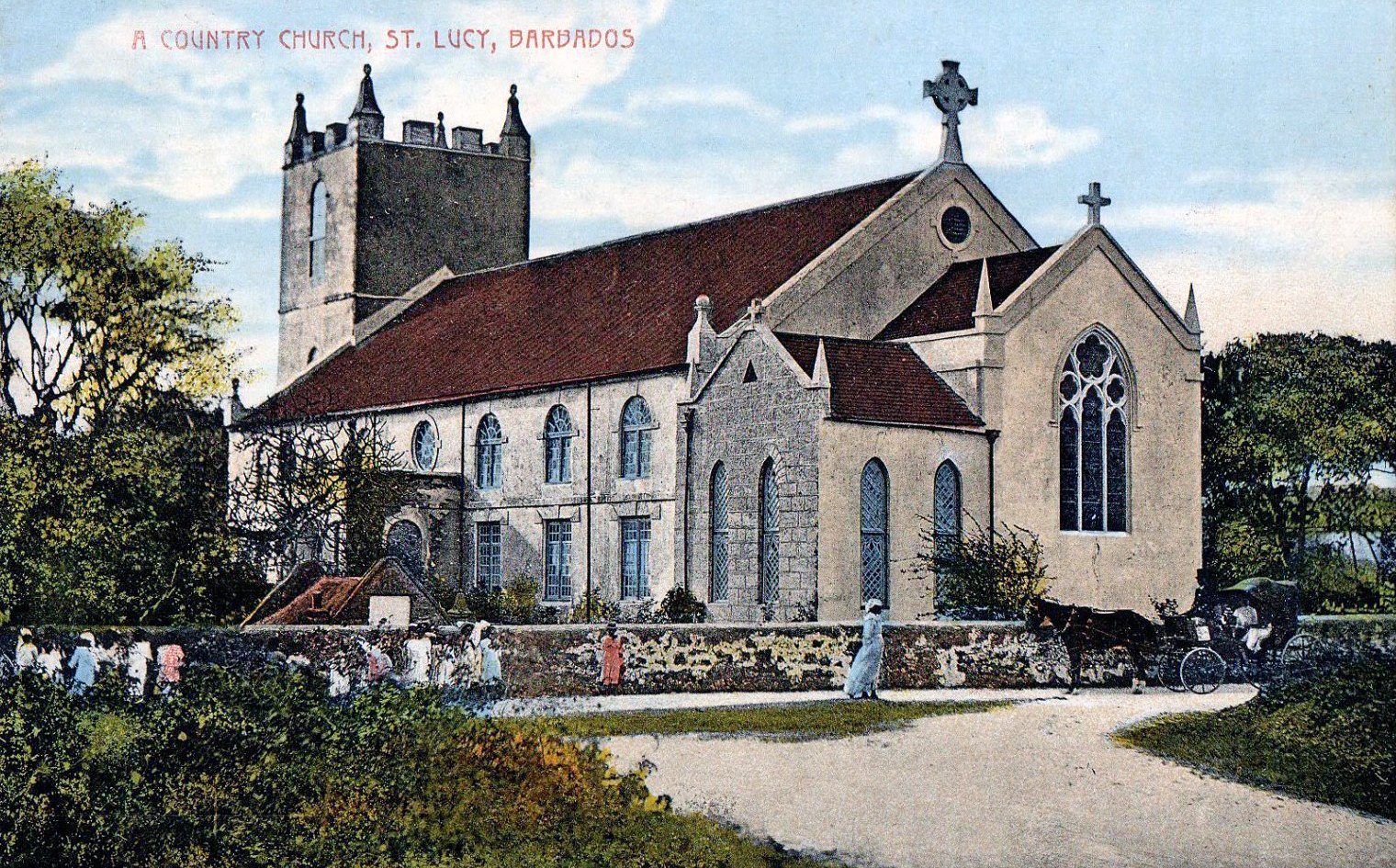
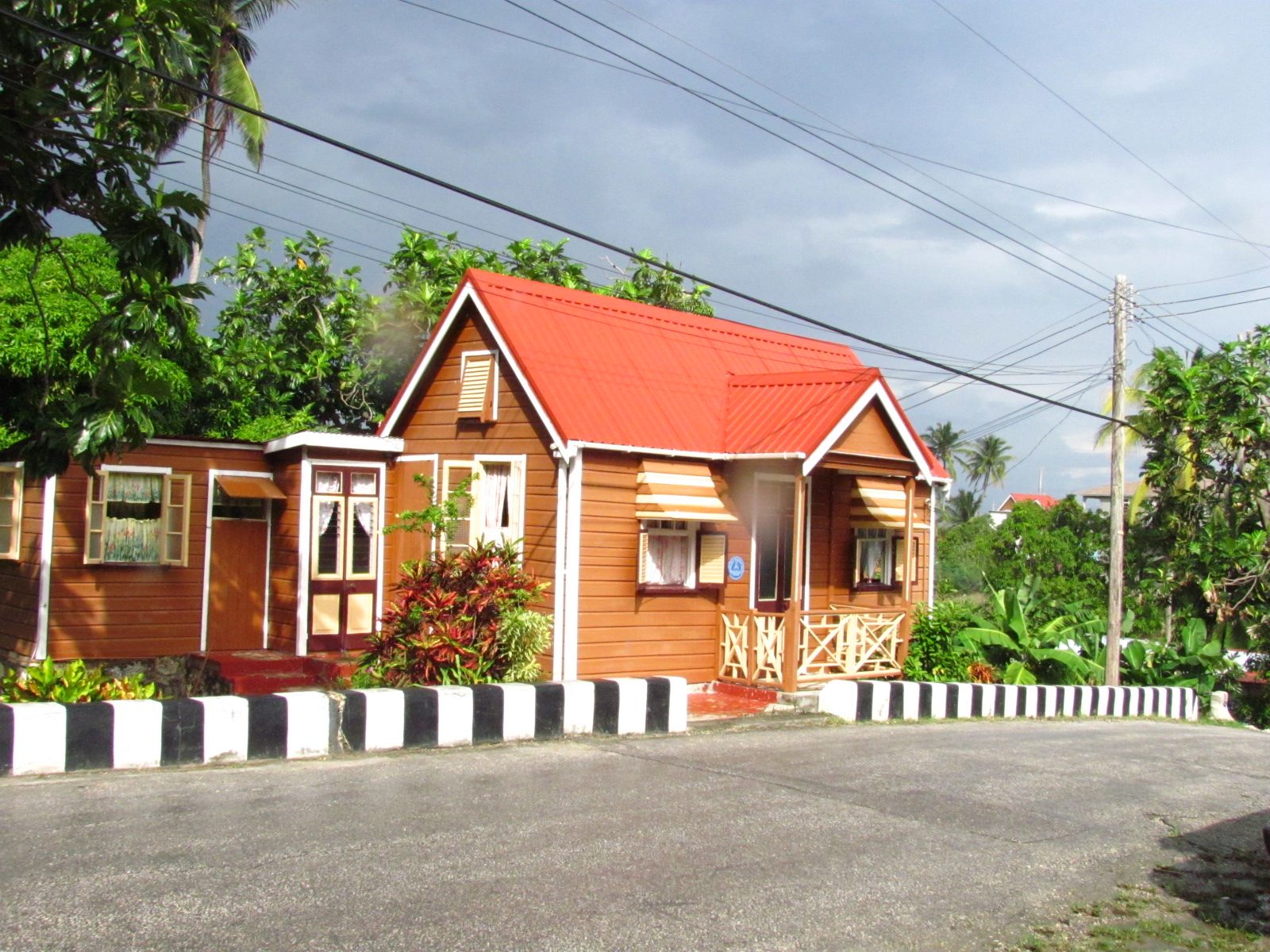
Photo: W. L. Johnson & Co., Wikimedia Commons, Public domain
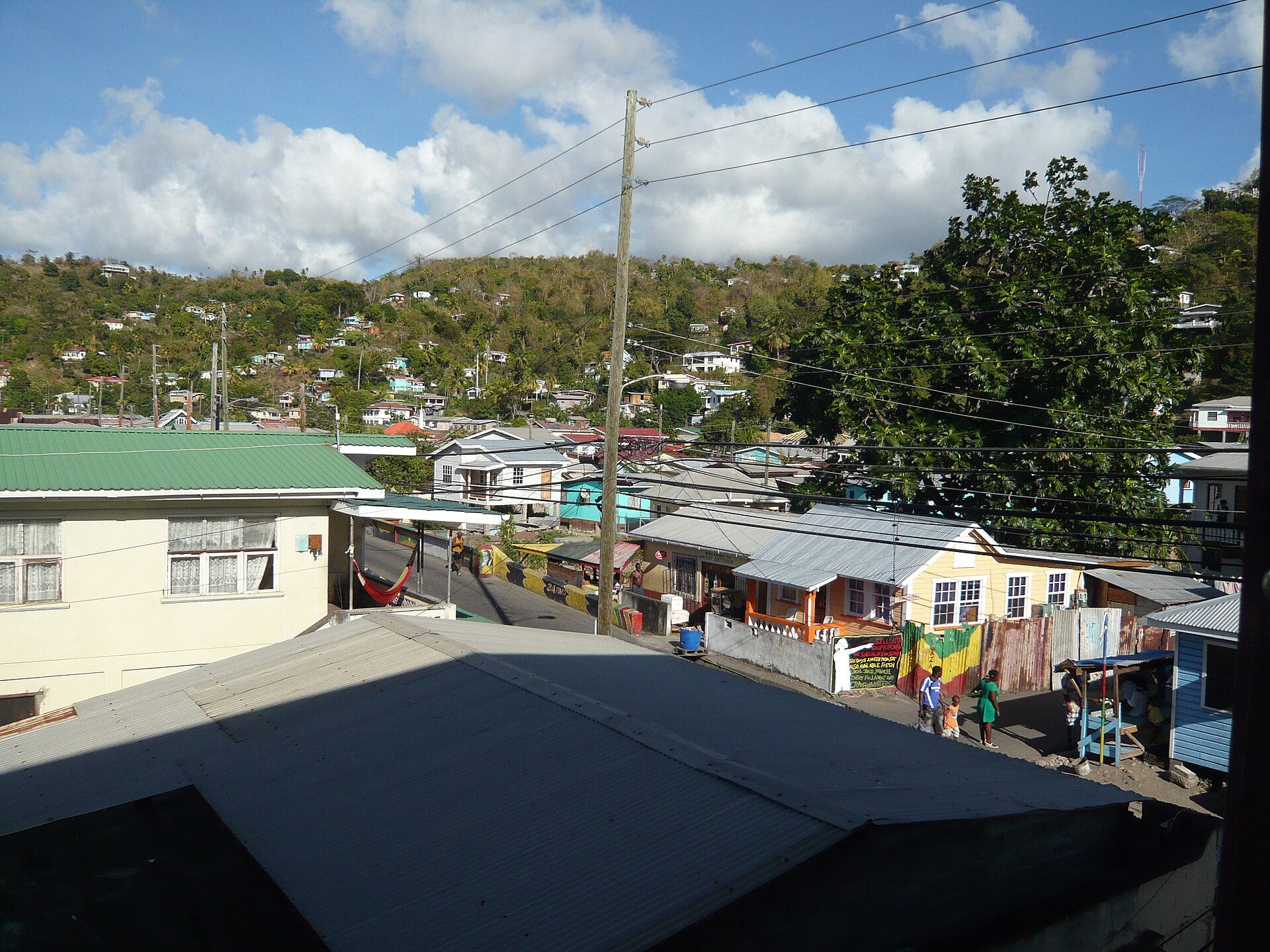
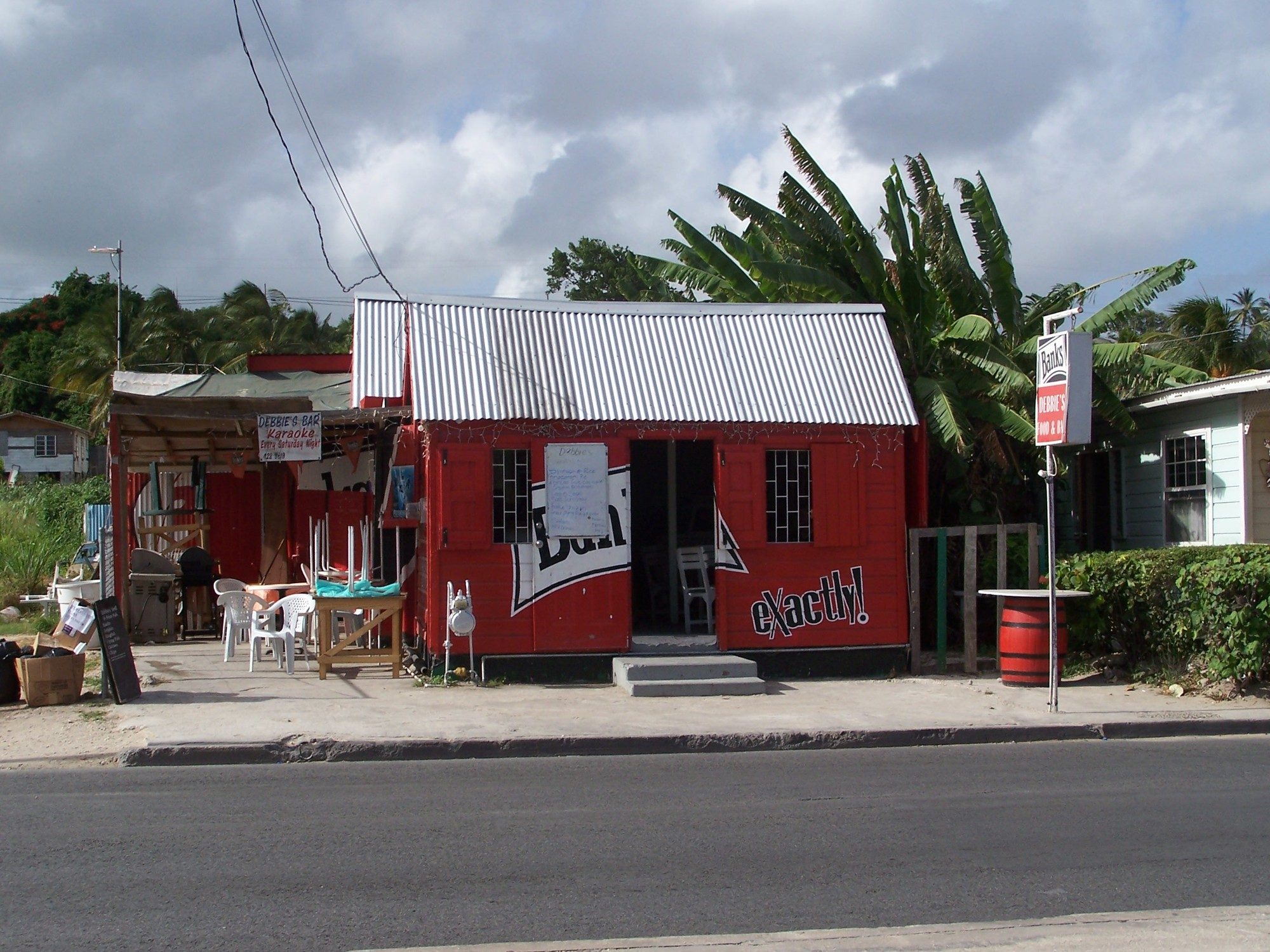
Photo: georama, Wikimedia Commons, CC BY 3.0
After the return
Almost everyone says the same thing on the flight home: they wish they had asked more. Talk to the elders before you go, record what they remember, bring the questions you will wish you had asked.
And stay in the story. The first return is rarely the last, families keep coming back, bringing children and parents, turning a single emotional trip into a thread that runs through the generations. That is when a destination stops being a place connected to your family's story, and becomes part of it.
Frequently asked questions
How do we start planning a return to our family's island?
Begin at home: gather names, parishes and approximate dates from family papers and records, then plan the island trip around what you find. A few months of lead time lets archives and parish offices be contacted in advance.
Should we bring children on a heritage journey?
Yes, if the trip is paced for them. Children often feel the meaning of the return strongly, seeing where a grandparent grew up makes family history concrete, but they need light schedules and time to simply play on the beaches of the story.
What if we find nothing in the records?
The journey still matters. Most travellers find the emotion lives less in the documents than in the ground itself, the church, the village, the sea, and local guides and extended family often recover connections the archives never held.
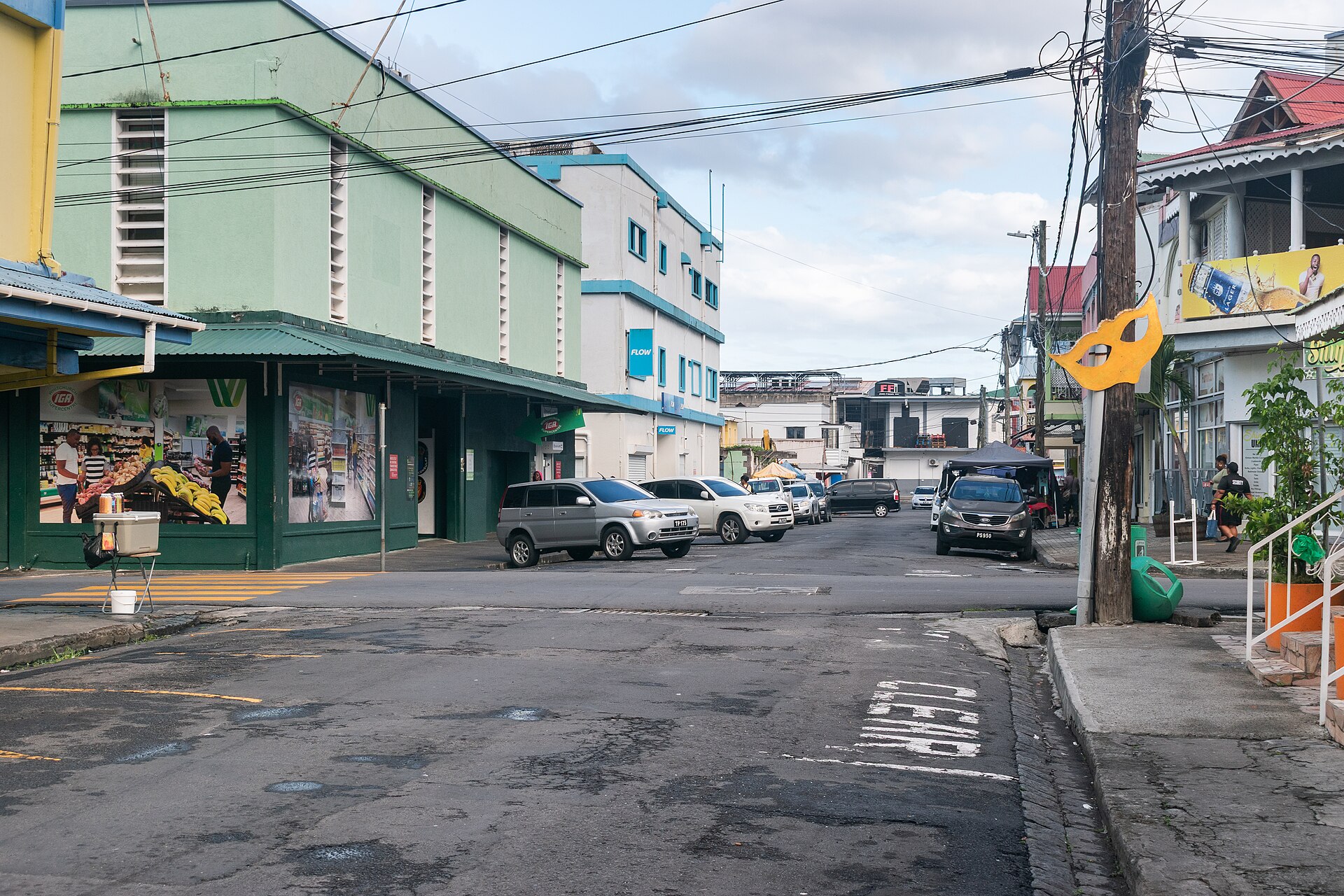
Independent CTT editorial. Not sponsored. Photo: Tournasol7, Wikimedia Commons, CC BY 4.0. Details such as schedules and prices change, please confirm with a CTT specialist before travelling.