In brief
How does Caribbean art carry memory?
Every Caribbean island holds layers, Indigenous civilizations, African ancestry, European colonization, indentureship and migration from India and Asia, emancipation, independence, and generations who left and returned. Those histories live in food, language, music, architecture, ceremony and art: in symbols passed down through generations, everyday materials transformed into meditations on identity, and textile techniques handed from one pair of hands to another. Art allows memory to remain visible.
Every island carries layers
Every island carries layers.
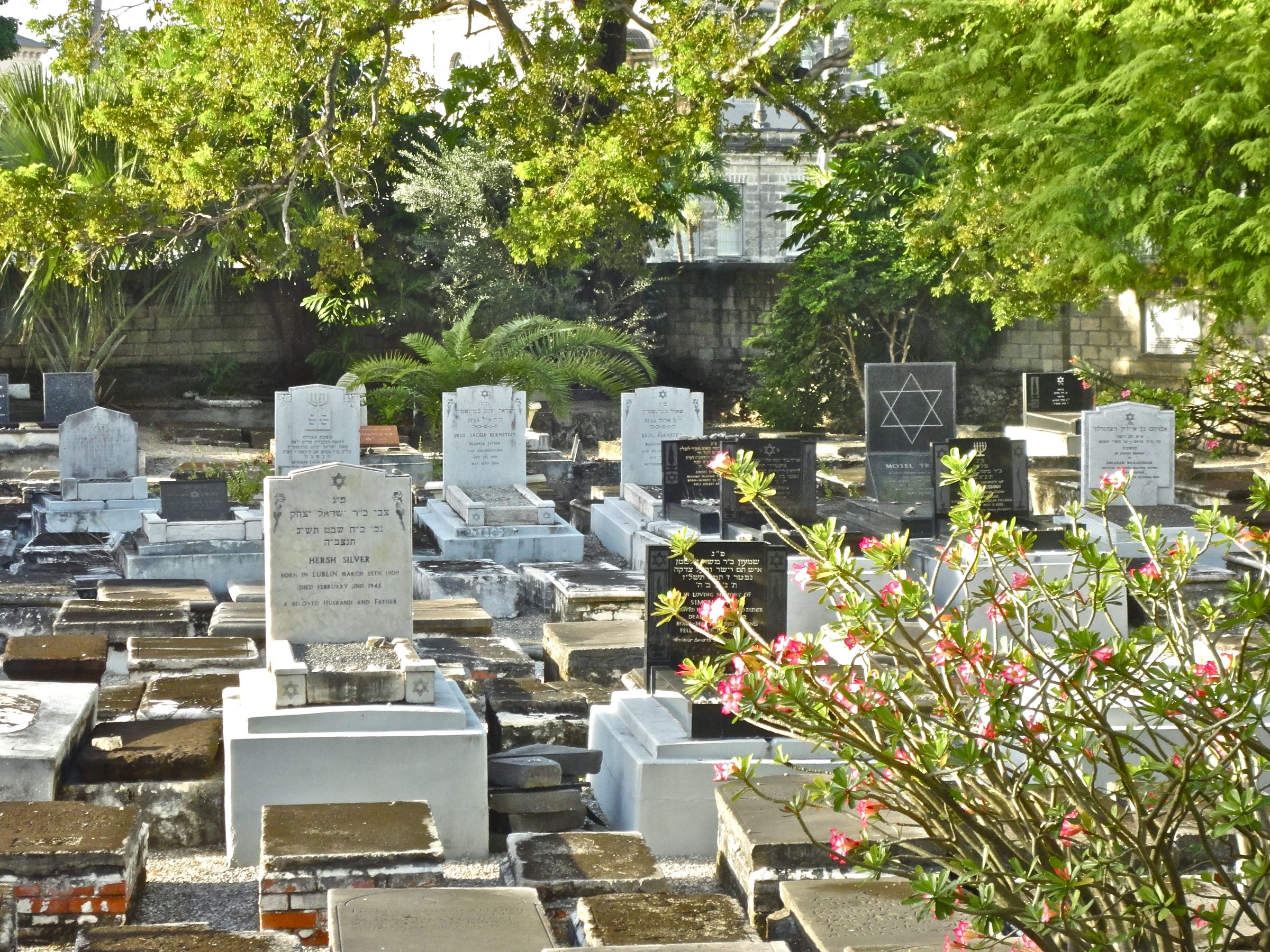
Indigenous civilizations. African ancestry. European colonization. Indentureship and migration from India and Asia. Emancipation. Independence. Movement between islands. Generations who left. Generations who returned.
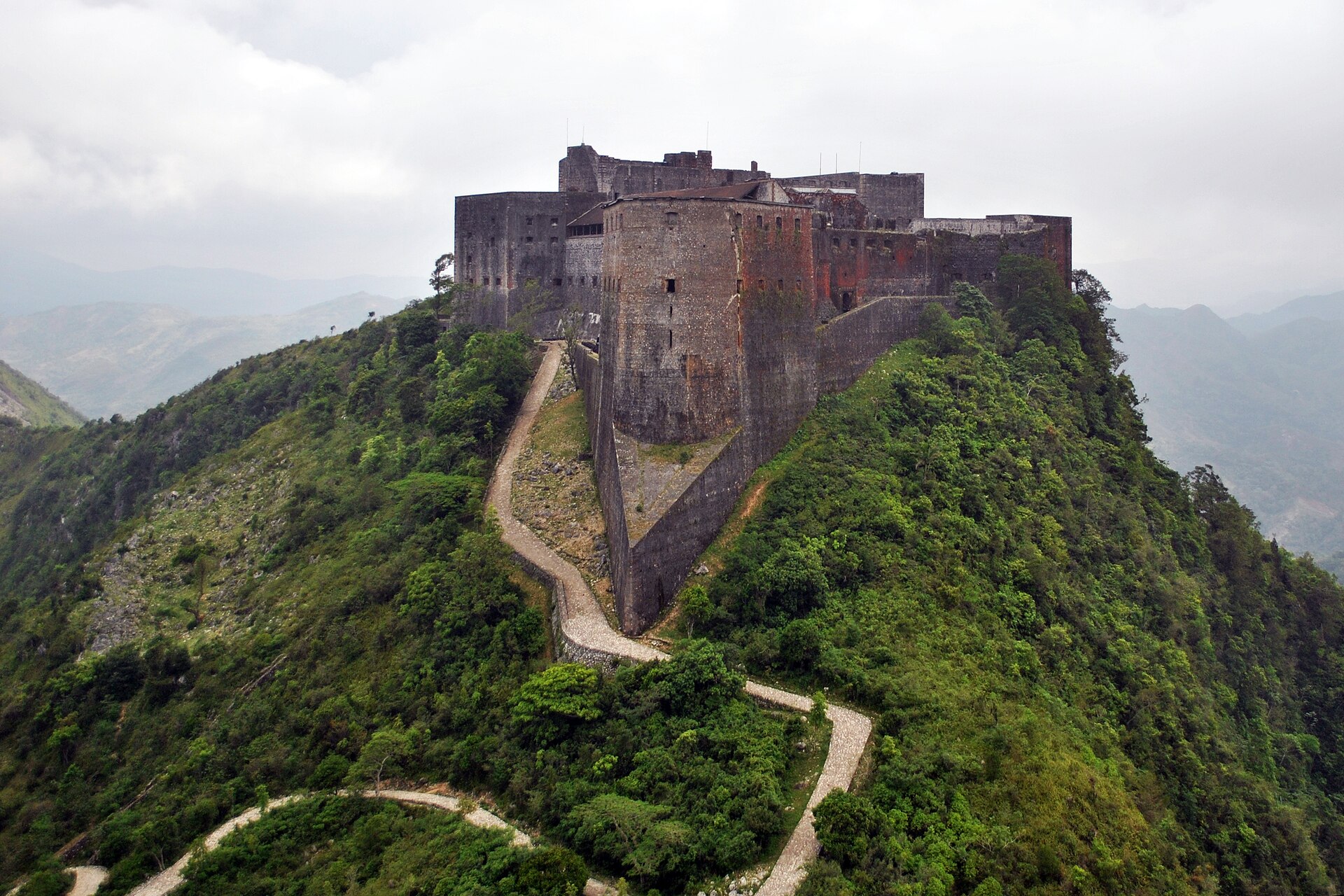
Photo: SPC Gibran Torres, United States Army, Wikimedia Commons, Public domain
Those histories did not disappear
Those histories did not disappear.
They live in food, language, music, architecture, ceremony, and art.
A painting may contain symbols whose meaning stretches back generations. A sculpture may transform an everyday material into a meditation on identity. A textile may preserve techniques passed from one pair of hands to another.
Art allows memory to remain visible.
The artists keeping the layers visible
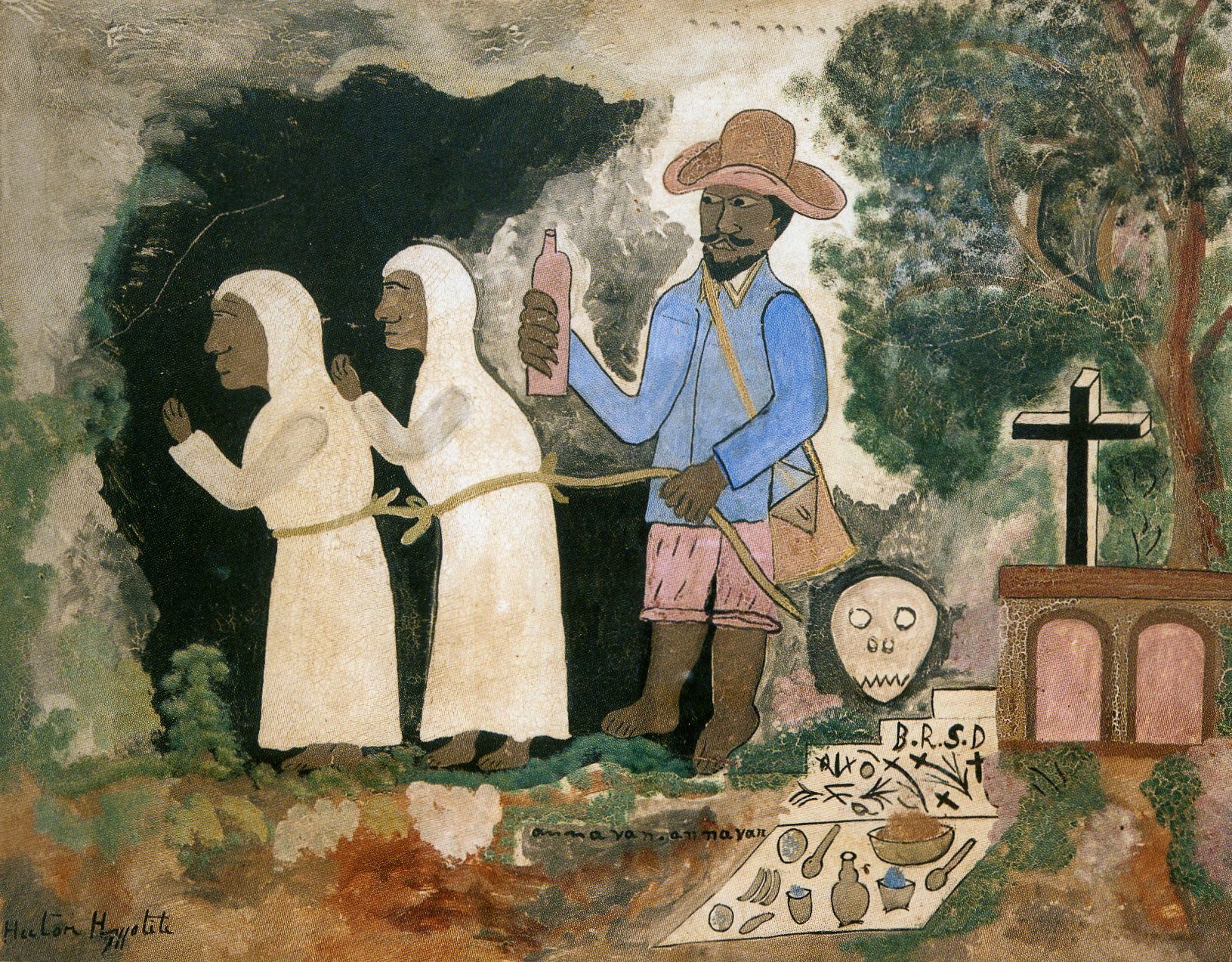
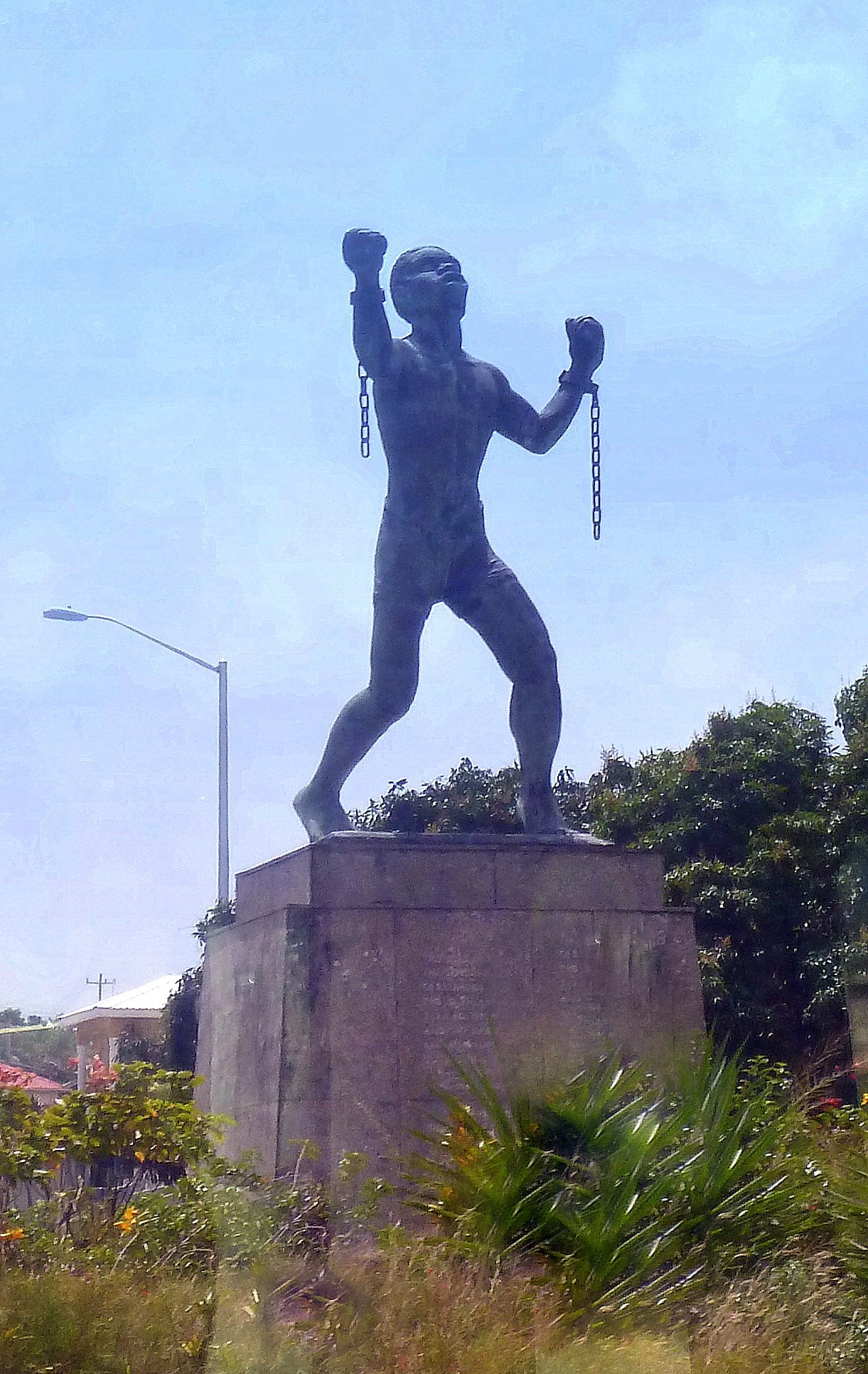
Haiti carries this most explicitly: Hector Hyppolite and the tradition around him painted vodou's spiritual vocabulary into modern art, and Edouard Duval-Carrié continues the work in luminous canvases that reopen the country's history for the present. In Jamaica, the Intuitives, Kapo, Everald Brown, worked from faith and ancestral vision, while Edna Manley's carvings helped give a newly self-aware nation its image. Laura Facey's Redemption Song, standing in Kingston's Emancipation Park, turns emancipation itself into bronze.
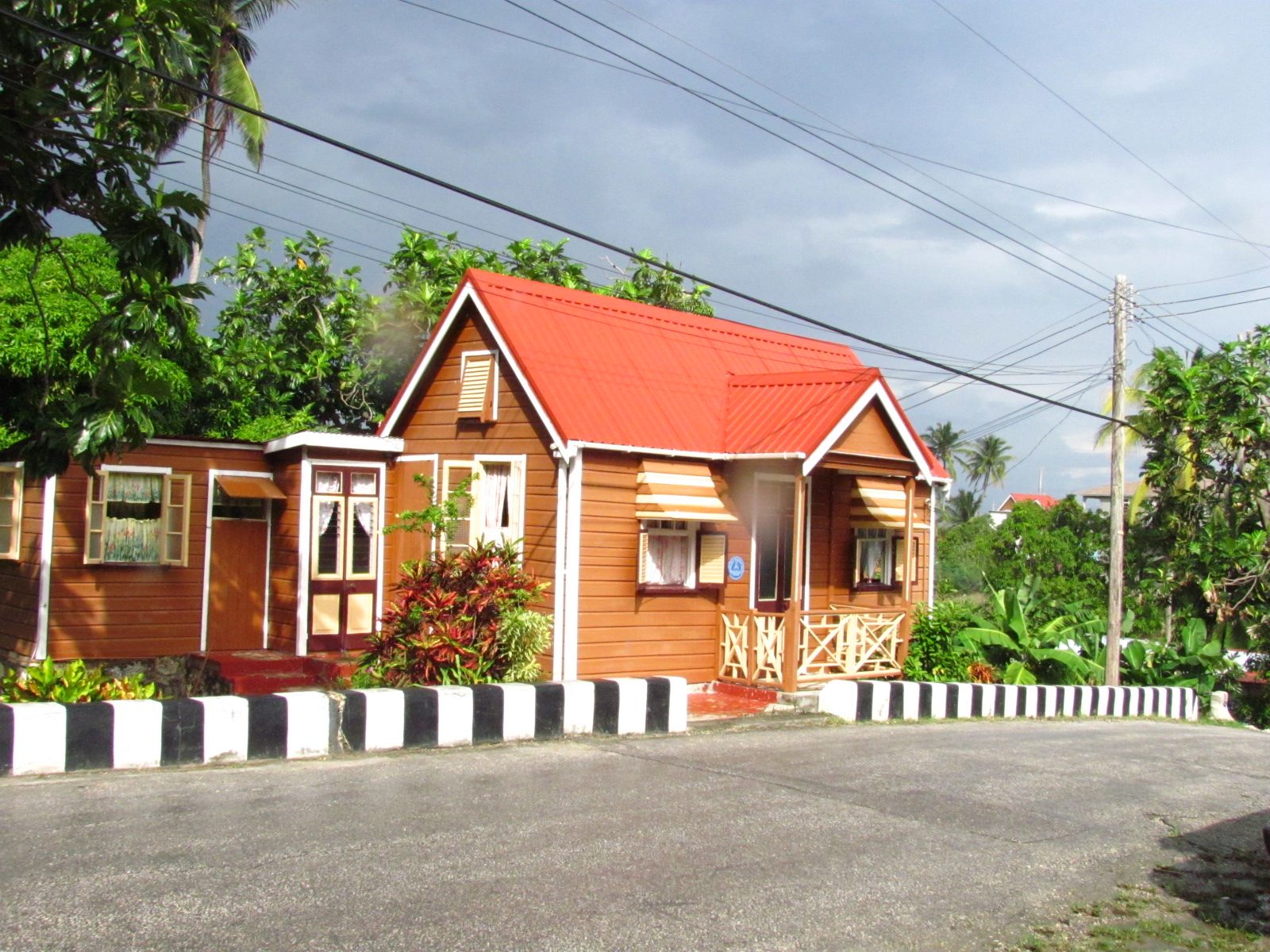
The descendants of indentureship keep their layers too: Carriacou's Canute Caliste recorded a Grenadian Grenadines community shaped by both African and East Indian inheritance, while across Trinidad and Guyana the festivals, foods and craft of Indian indenture remain living material for artists working today. Barbados' Annalee Davis examines the plantation's afterlife in the landscape itself, and Firelei Báez, born in the Dominican Republic, reworks colonial archives into figures of myth and power, memory re-entering the record on the Caribbean's own terms.
And the craft traditions are the oldest memory-keepers of all: basketry, pottery, batik and woodcarving whose techniques survived the middle passage, the estates and the emigrant ships by moving from one pair of hands to the next.
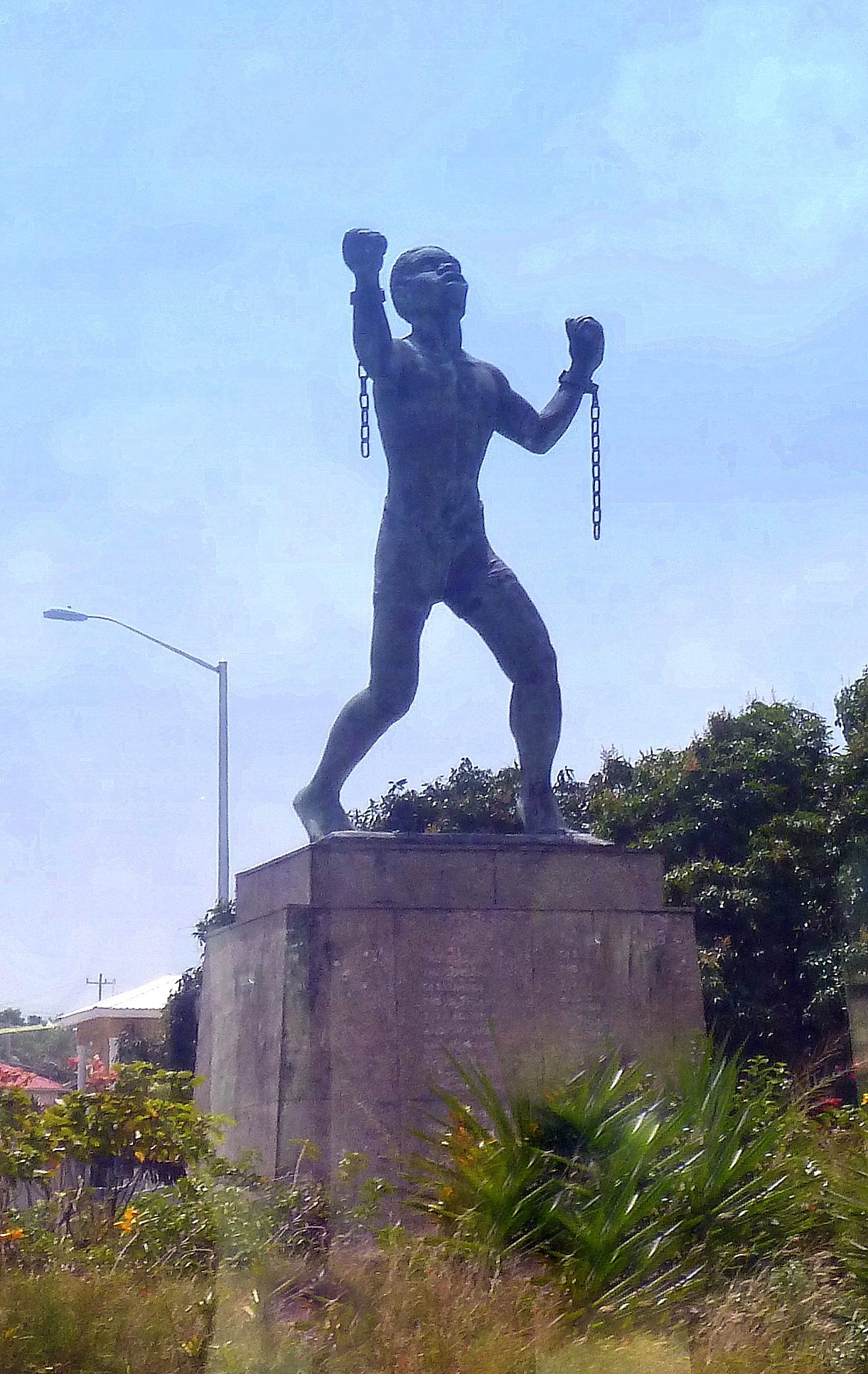
Photo: giggel, Wikimedia Commons, CC BY 3.0
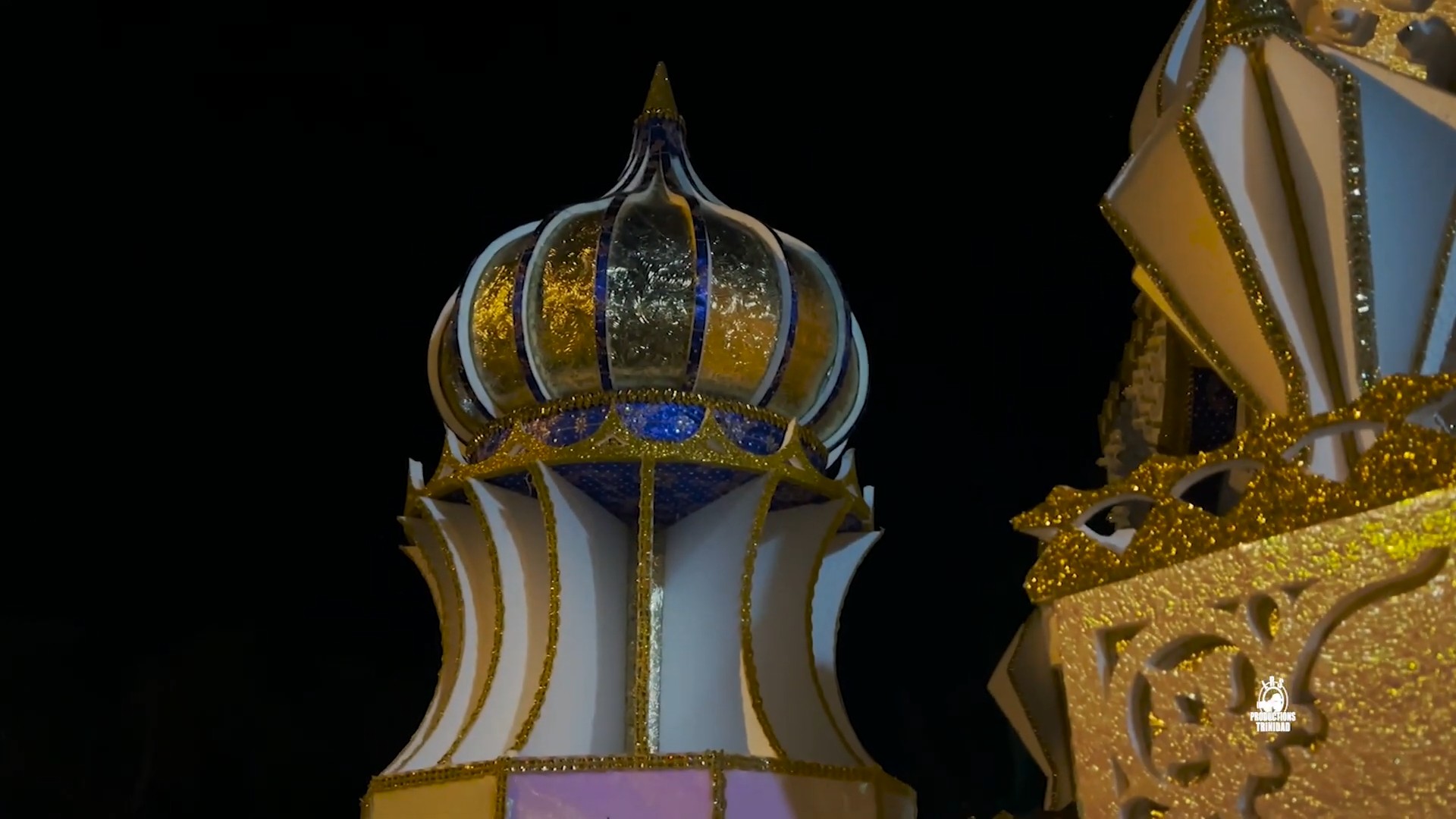
Photo: Baba Kii Sun, Wikimedia Commons, CC BY 3.0
Listening to what the artists are saying
For travellers interested in heritage, this creates an entirely different way of encountering the Caribbean.
Sometimes understanding a place begins not with a guidebook,
but with listening to what its artists are trying to say.
Practically, that means letting the art lead the itinerary rather than decorate it. Visit the institution that holds a nation's story, the National Gallery of Jamaica, Haiti's galleries and cultural institutions, the regional collections of Barbados and Trinidad, then follow it outward: a craft workshop where a technique older than the buildings is still taught, a mas camp where history is stitched into next year's costume, a studio visit where the questions are still open. CTT's specialists can build heritage-centred art days like these on any of the region's islands.
Frequently asked questions
How does Caribbean art preserve history?
Through symbols and techniques passed down generations, vodou imagery in Haitian painting, ancestral and spiritual vision in Jamaica's Intuitive tradition, emancipation in public monuments, and craft practices like basketry, pottery and batik handed from one pair of hands to another since before emancipation.
Which islands are richest in heritage-driven art?
Haiti is the region's most explicit example, with spiritual and historical memory central to its painting. Jamaica, Barbados, Trinidad and Tobago and Guyana all hold deep traditions where ancestry, indentureship and independence shape the work.
Can a heritage-focused trip be built around Caribbean art?
Yes, pairing national galleries and museums with craft workshops, mas camps and studio visits turns an island's art into a guided journey through its history. Specialist planning matches the visits to the heritage themes that matter most to you.
Independent CTT editorial. Not sponsored. Photo: giggel, Wikimedia Commons, CC BY 3.0. Details such as schedules and prices change, please confirm with a CTT specialist before travelling.