In brief
What inspires Caribbean artists?
The Caribbean's artists work from both sides of the postcard: an extraordinary visual language of impossible blues, rusted roofs, misted mountains and carnival colour, and the deeper material of identity, ancestry, colonial history, migration and environmental change. Reading both together is how travellers see the islands as their artists do, complex, and infinitely more interesting.
An extraordinary visual language
The Caribbean gives its artists an extraordinary visual language.
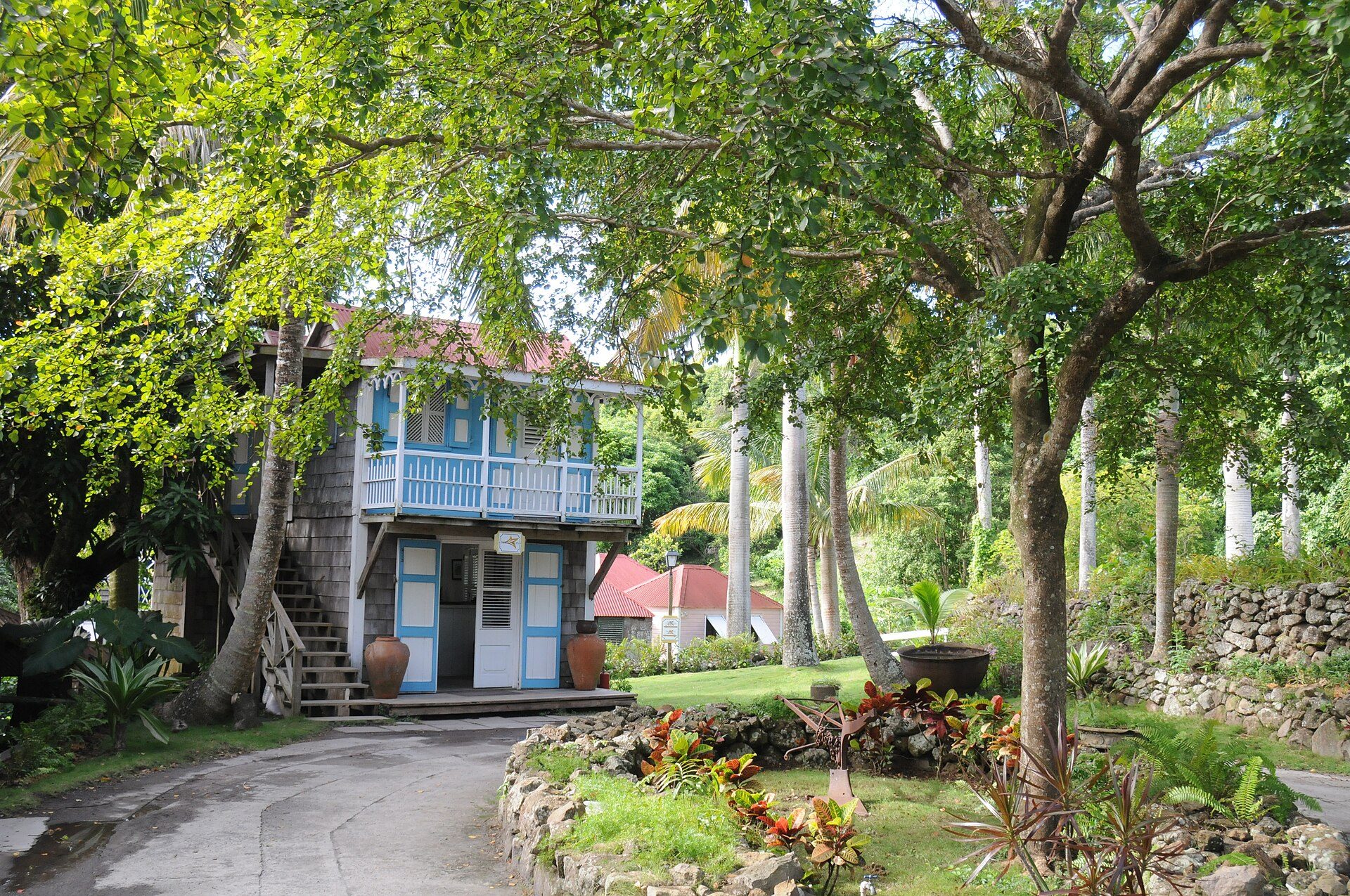
There is the impossible blue of shallow water. The rusted red of an old roof. Green mountains disappearing into morning mist. Fishing boats pulled onto sand. Market stalls overflowing with fruit. Carnival costumes moving through streets. Old wooden houses weathered by salt and time.
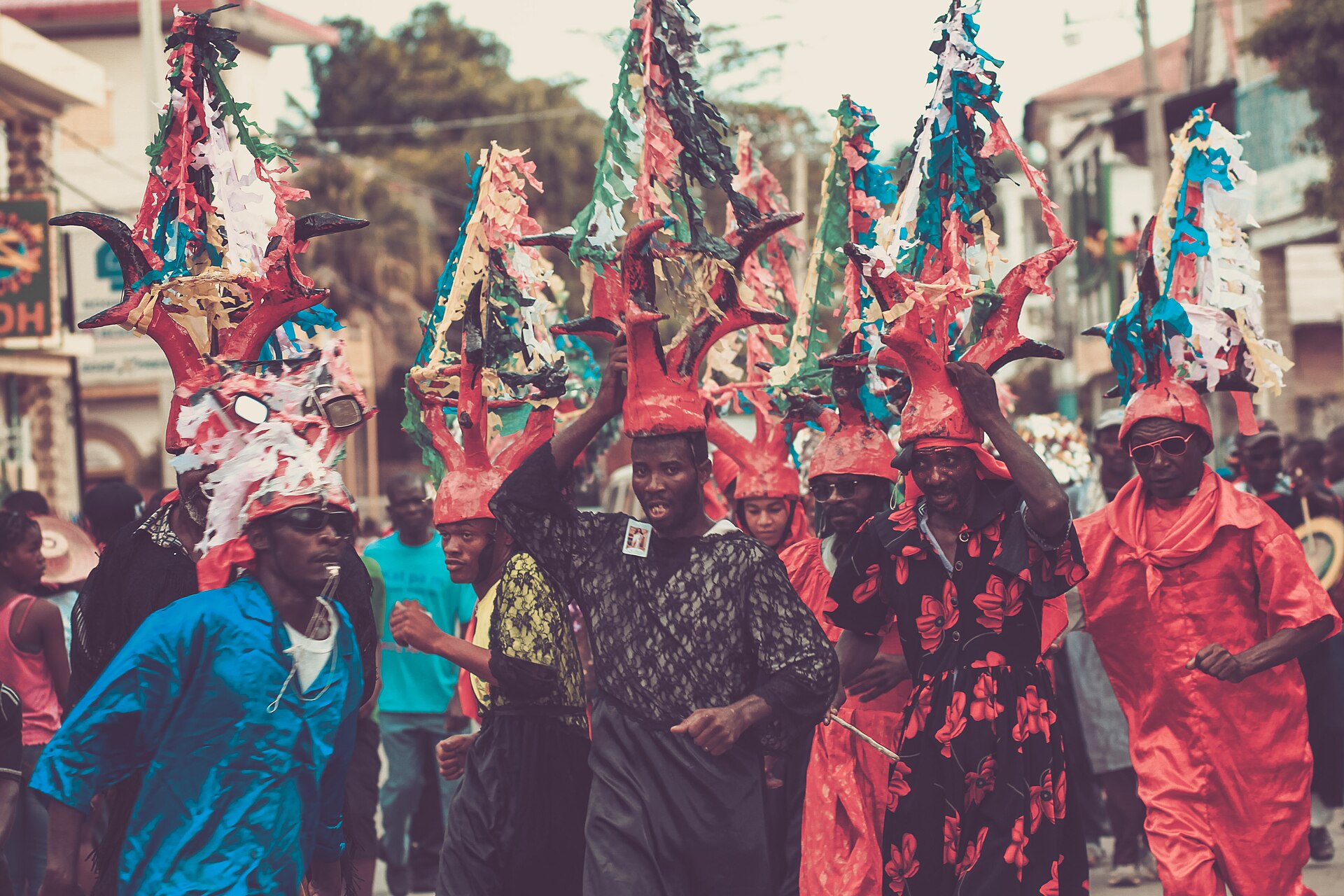
Photo: HOPE Art, Wikimedia Commons, CC BY 2.0
Beyond the picturesque
But Caribbean art reaches far beyond picturesque island scenes.
Contemporary artists throughout the region are exploring identity, ancestry, colonial history, migration, gender, environmental change and what it means to be Caribbean in a world that often sees these islands primarily as places of escape.
This is the tension that gives the region's art its edge: a place the world imagines as escape is, to the people who live in it, a home with a full and complicated history. The best Caribbean artists hold both at once, painting the light beautifully while asking who the light falls on, and what the resort's shoreline replaced.
The artists working both sides of the postcard
Jamaica's Ebony G. Patterson dresses the tension in beauty itself: her tapestry-like works lure the eye with pattern, glitter and flowers, then hold it on questions of blackness, gender and mourning. Trinidad's Christopher Cozier works against the postcard entirely, his drawings and installations map how power, trade and movement actually cross the region. Barbados' Annalee Davis examines the plantation's afterlife in island life and landscape, while Firelei Báez, born in the Dominican Republic, reworks colonial archives into figures of Caribbean myth and power.
Haiti's Edouard Duval-Carrié reframes Haitian history in luminous, layered canvases. The Bahamas' Tavares Strachan sends the island's story into impossible places, the Arctic, space, the deep sea, insisting that a small nation's history deserves the largest canvases. Jamaica's Oneika Russell and Trinidad's Rodell Warner work in video, drawing and photography on image-making and the archive itself: who pictures the Caribbean, and who is pictured.
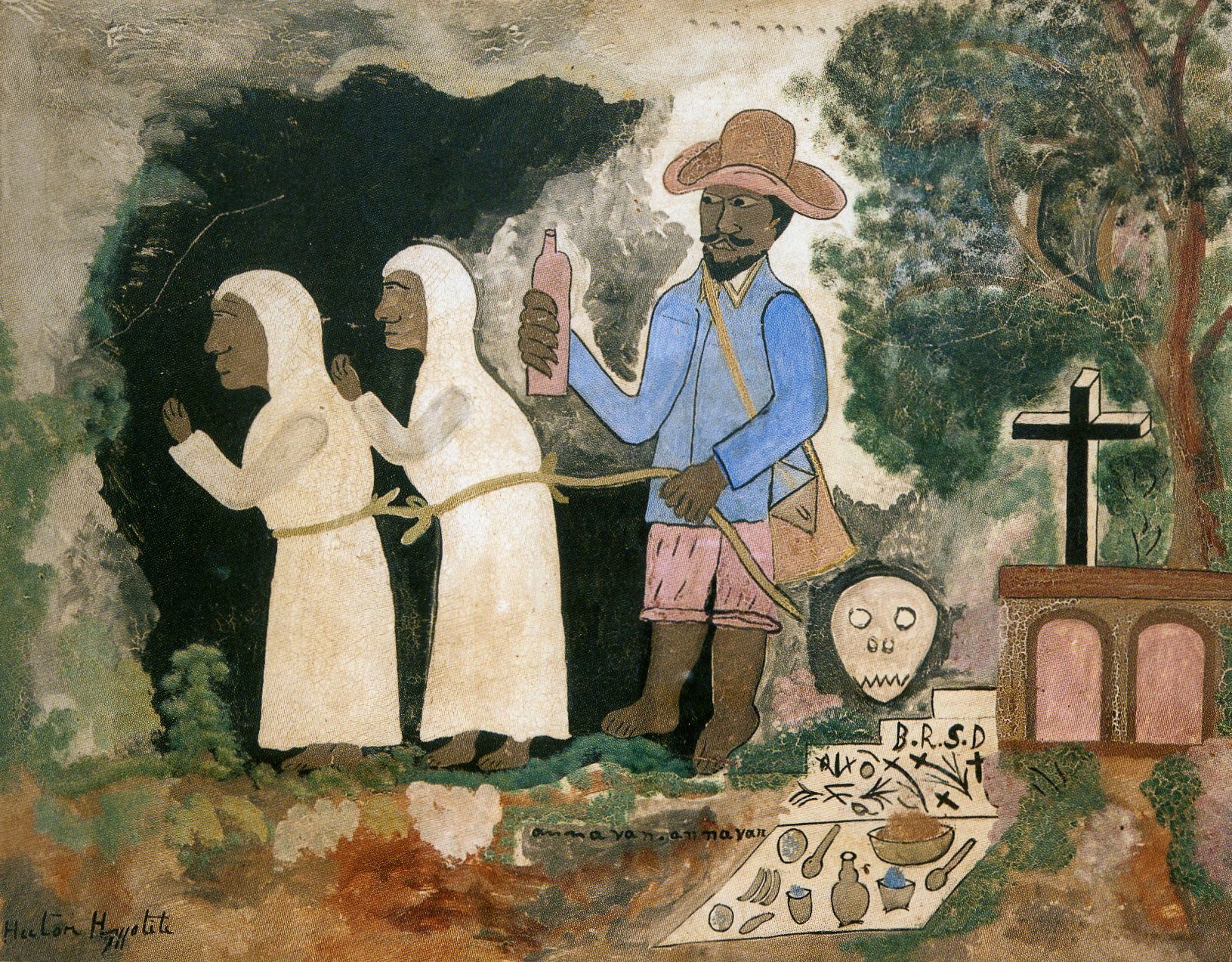
The landscape painters are part of the story too. The self-taught tradition, Haiti's Hector Hyppolite, the Bahamas' Amos Ferguson, Carriacou's Canute Caliste, shows the islands with an intensity trained eyes often miss, and the region's watercolourists and plein-air painters keep the visual language itself alive.
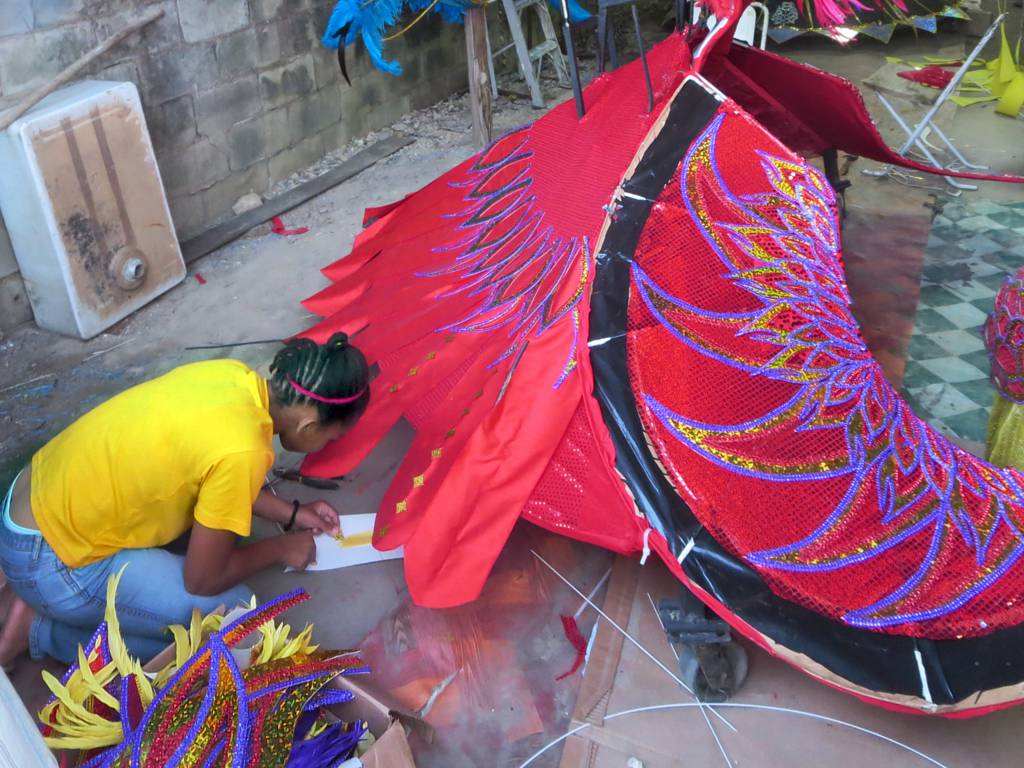
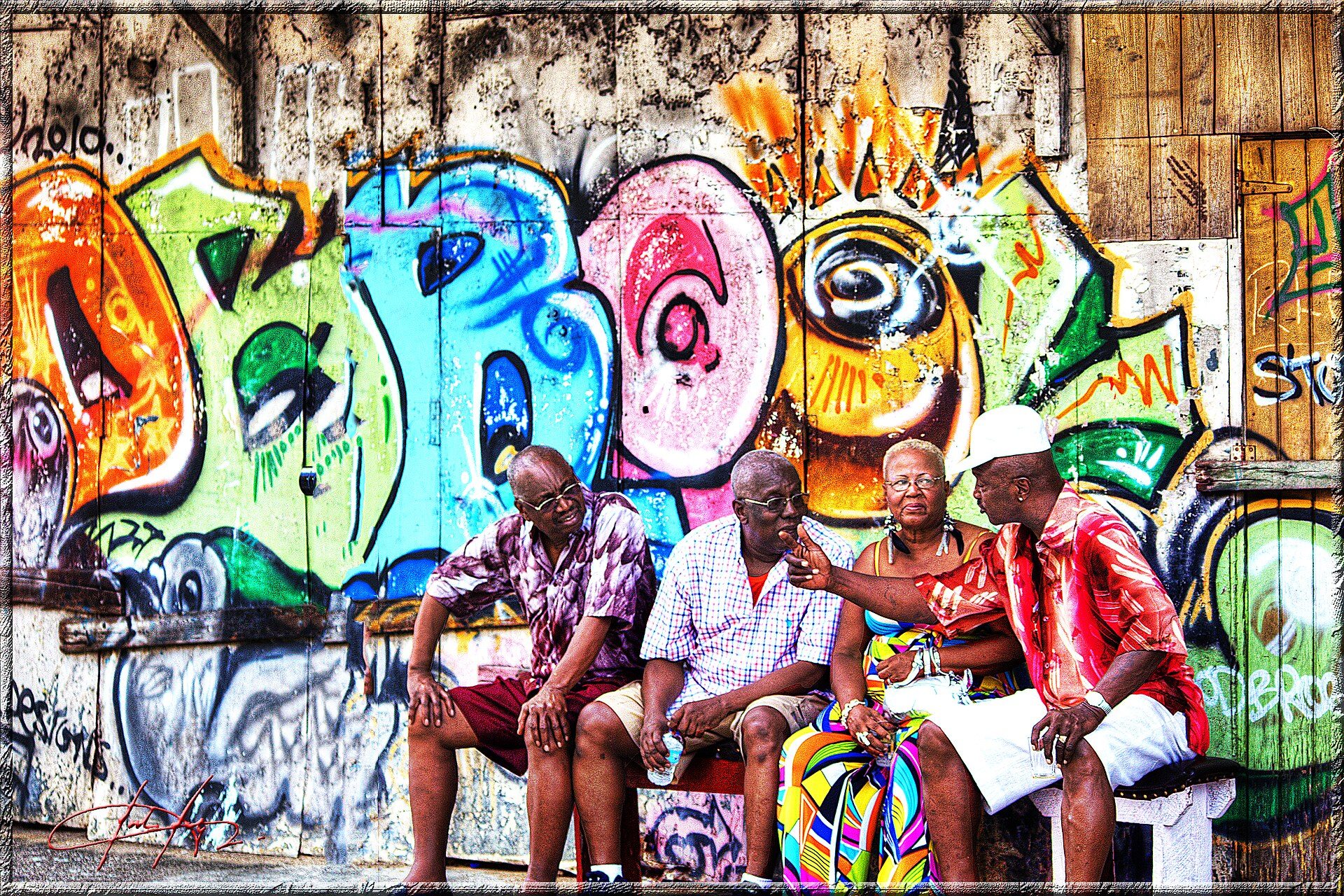
Photo: David Stanley from Nanaimo, Canada, Wikimedia Commons, CC BY 2.0
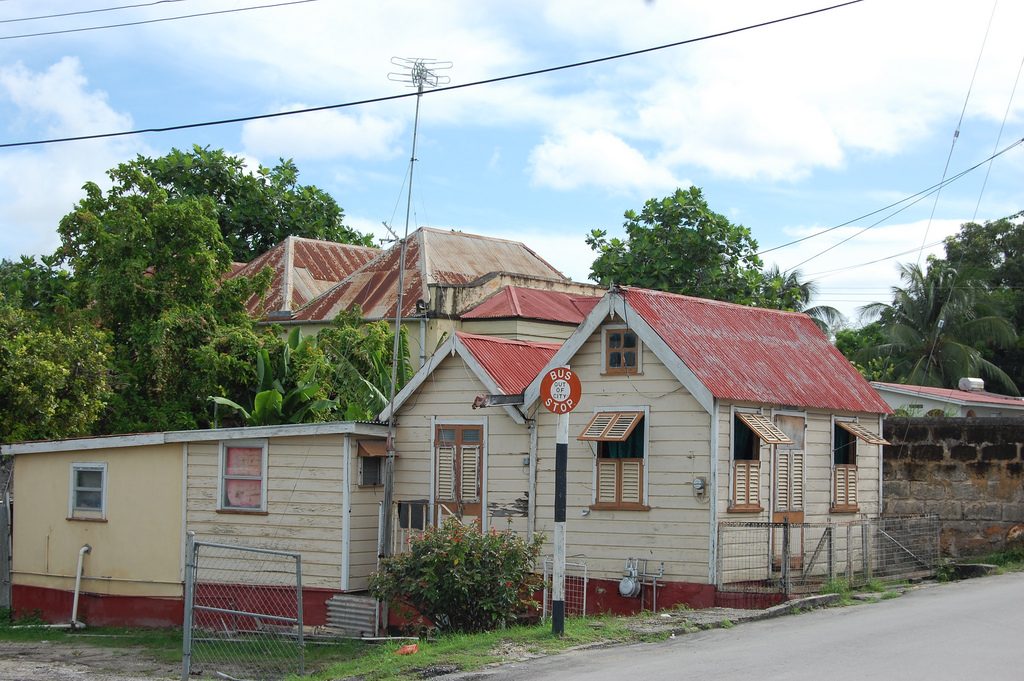
Photo: Shardalow, Wikimedia Commons, CC BY 2.0
Look closely
Look closely and the Caribbean becomes more complex.
And infinitely more interesting.
For the traveller, that is the reward of taking the art seriously. The galleries, studios and mas camps reveal a region that is not a backdrop for anyone else's holiday but the subject of its own searching, and visitors who give the work an afternoon come away seeing the beaches, the boats and the brightly painted houses differently, as material the artists have been arguing with all along.
Plan an art day the way you would plan a day of food: one institution for the sweep, the National Gallery of Jamaica in Kingston, or its counterparts in Barbados and Trinidad, then the makers, in studios and small galleries, and the public work in between. Ask what the younger artists are questioning; the answer will change how the rest of the island looks.
Frequently asked questions
What themes do contemporary Caribbean artists explore?
Identity, ancestry, colonial history, migration, gender and environmental change are the region's defining themes, alongside the landscape itself. The most compelling Caribbean artists work with both: the islands' famous beauty and the complex histories behind it.
Which artists should travellers know?
Jamaica's Ebony G. Patterson, the Bahamas' Tavares Strachan, Trinidad's Christopher Cozier, Haiti's Edouard Duval-Carrié and the Dominican Republic's Firelei Báez are among the region's most internationally significant artists, with a strong younger generation emerging across the islands.
Where can visitors see contemporary Caribbean art?
The national galleries of Jamaica, Barbados and Trinidad and Tobago anchor the region, alongside commercial galleries, artist-run spaces and open studios on most major islands. Specialist planning can pair gallery visits with working artists whose practice interests you.
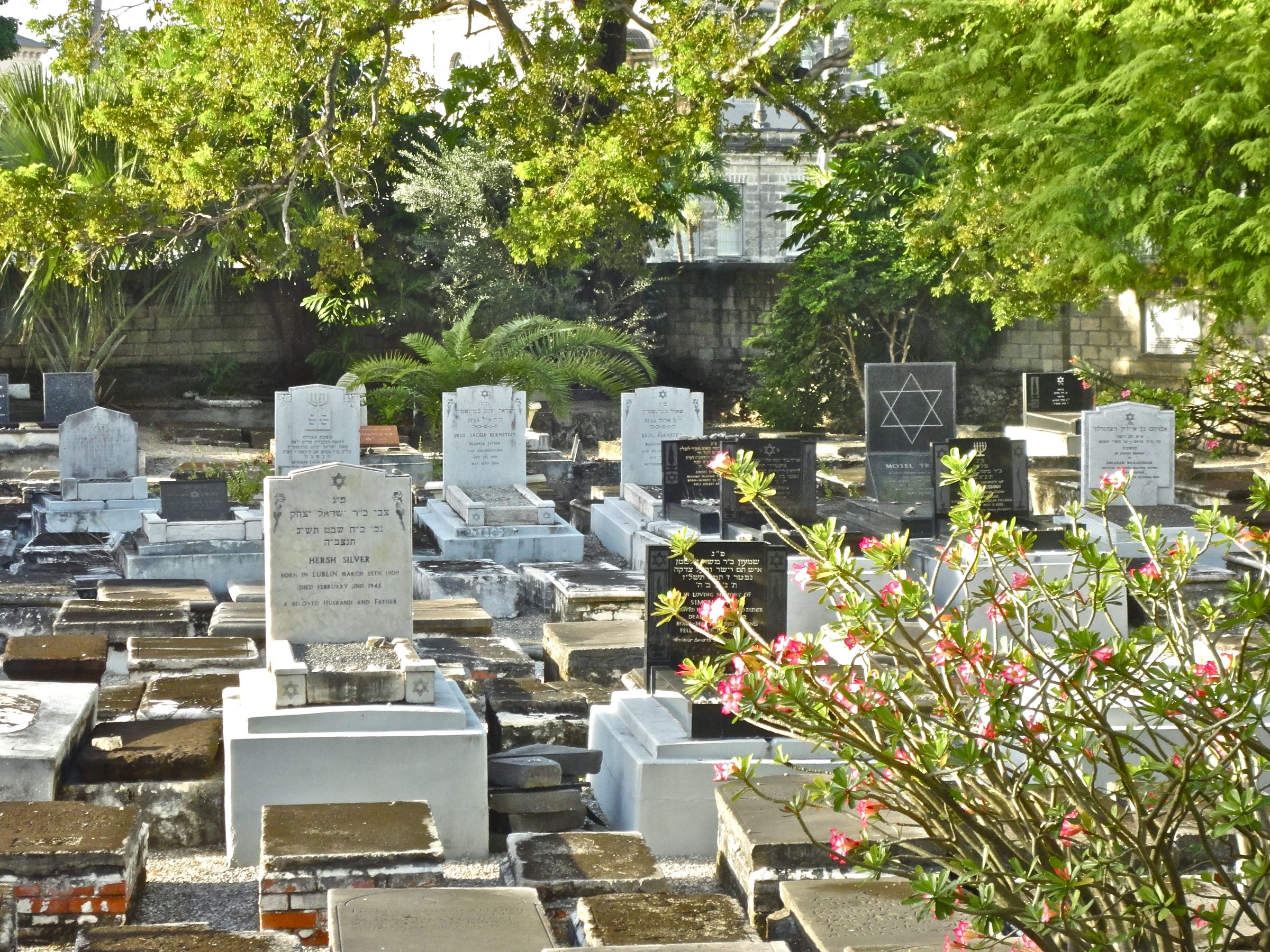
Independent CTT editorial. Not sponsored. Photo: Bizzurp, Wikimedia Commons, CC0. Details such as schedules and prices change, please confirm with a CTT specialist before travelling.