In brief
How is diaspora travel different from a vacation?
Diaspora travel is travel home: visiting family rather than attractions, keeping obligations as well as enjoying the beach, and often contributing, money, skills, presence, to the place family still lives. The trip runs on different rhythms from tourism, and planning it well means planning around people first.
Going home, not going away
A vacation begins when you arrive somewhere new. Diaspora travel begins long before that, with phone calls, obligations, expectations and the quiet knowledge that the place you are flying to is not foreign at all.
For millions born abroad to Caribbean parents or grandparents, the trip home carries a different weight entirely. There are people waiting. There may be a church to attend, a plot to visit, a hand to press, a promise made at the last goodbye that is being honoured now. The beach matters, but it is not the point.
This is why diaspora travellers often describe the trip as necessary rather than chosen, and why it can mean something entirely different from a vacation, even when it looks identical from the outside.

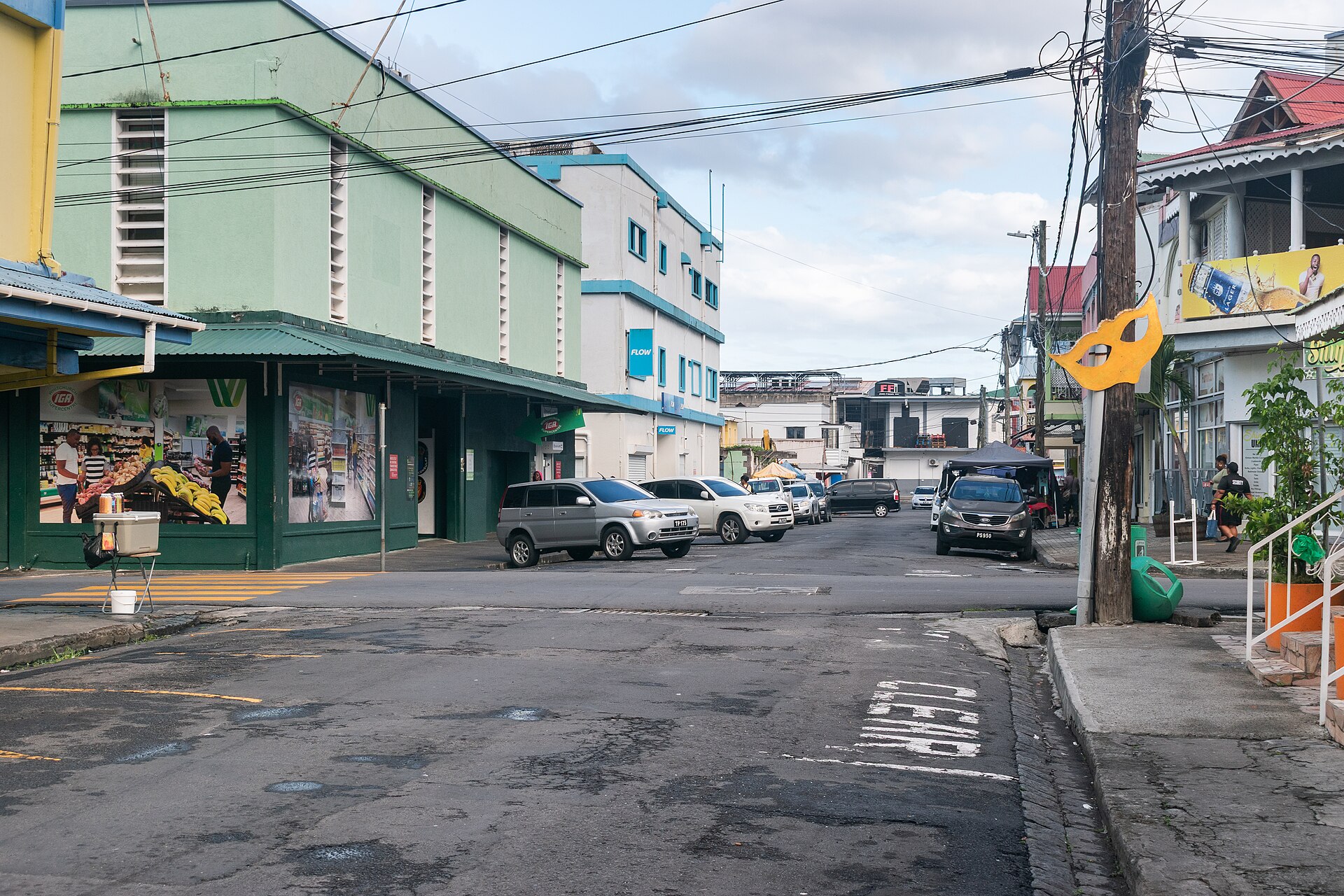
Photo: Edgar El, Wikimedia Commons, CC BY 3.0
What the trip actually holds
The itinerary of a diaspora trip is written by relationships. Days bend around who must be seen, whose cooking must be eaten, which village needs an afternoon. Rest happens in the gaps, and long-time visitors know to plan fewer activities than a holiday would suggest, because the visits themselves are the activity.
There is contribution, too, and it matters more than most tourism ever will: remittances, a roof repaired, a business supported, skills offered, a child shown where the family comes from. Diaspora travel keeps communities alive in ways no resort guest list can.
And there is identity. Children of the diaspora often return as teenagers or adults feeling half-known, and leave with something changed, a claim on the place that no passport document records but that never quite leaves.
Planning a trip home well
The rules that work are the opposite of holiday rules. Book flights early and accommodation loosely; family arrangements will reshape any schedule within a day. Build in blank days, the visits always expand, and the trip should let them.
Stay where you can host being hosted: a villa or apartment with space for the family to gather beats a hotel room you cannot invite anyone into. If the trip includes a beach stretch afterwards, take it, rest after the emotional work of going home is not indulgence, it is design.
And if it is the first time back in years, or the first time at all for the children, add the anchor points that make the story concrete: the parish, the school, the house, the road. The rest of the belonging takes care of itself.
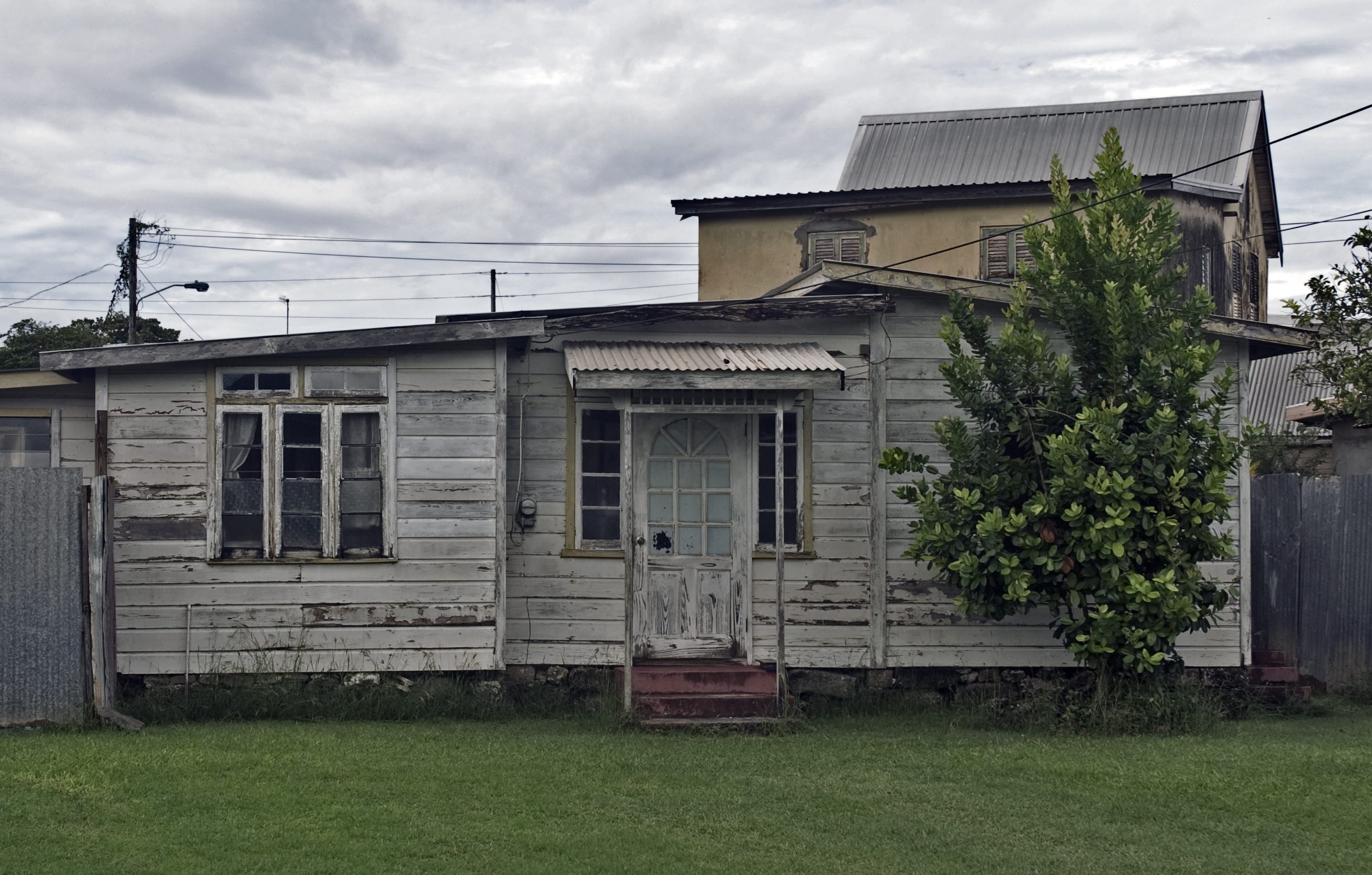
Photo: Grueslayer, Wikimedia Commons, CC BY-SA 4.0

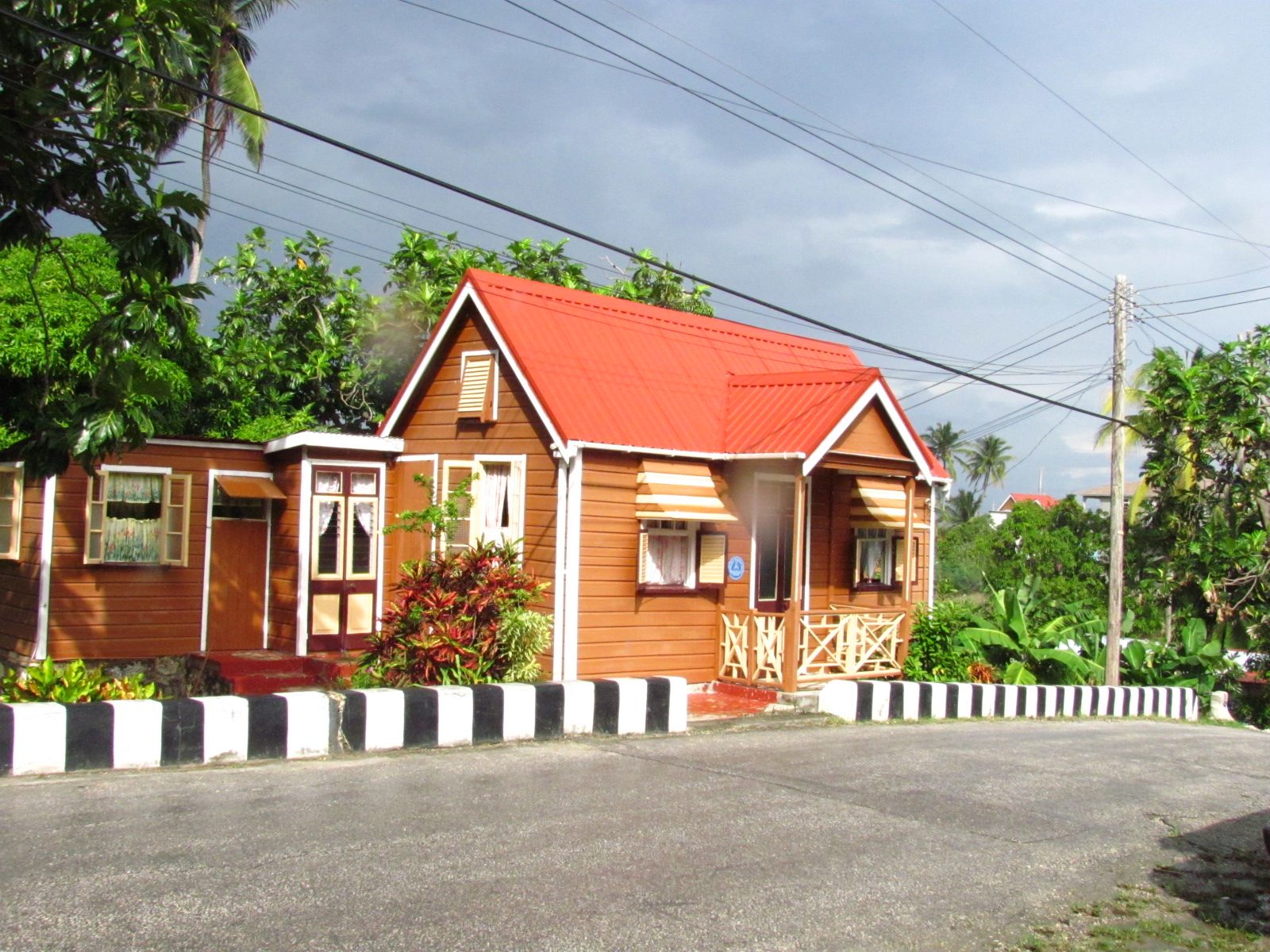
Photo: Illegible, Wikimedia Commons, Public domain
Different from a vacation | and worth both
None of this says the region's resorts, sailing and dining are beside the point. It says that for a large share of the people who travel here, the journey holds something tourism cannot see, and any trip home deserves to be planned with that in mind.
The best diaspora trips hold both: the visits and the obligations, and the stillness of the water in between. That combination, belonging and breathing room, is what a vacation alone can never supply.
Frequently asked questions
When should we book flights for a trip home?
Early. Peak periods, Christmas, Carnival, summer, are when the diaspora travels, and fares and accommodation climb steeply. Booking several months out protects both the budget and the family dates.
Where should we stay on a diaspora trip?
Self-catering villas and apartments near the family work best: space to gather, cook and host relatives, without hotel restrictions. A short resort stay afterwards adds the rest the visit rarely provides.
How do we help children connect with the island?
Give them the story, not the schedule: the parish the family came from, the food, the people, and time with cousins. Children bond through other children, and one genuine friendship does more than any tour.
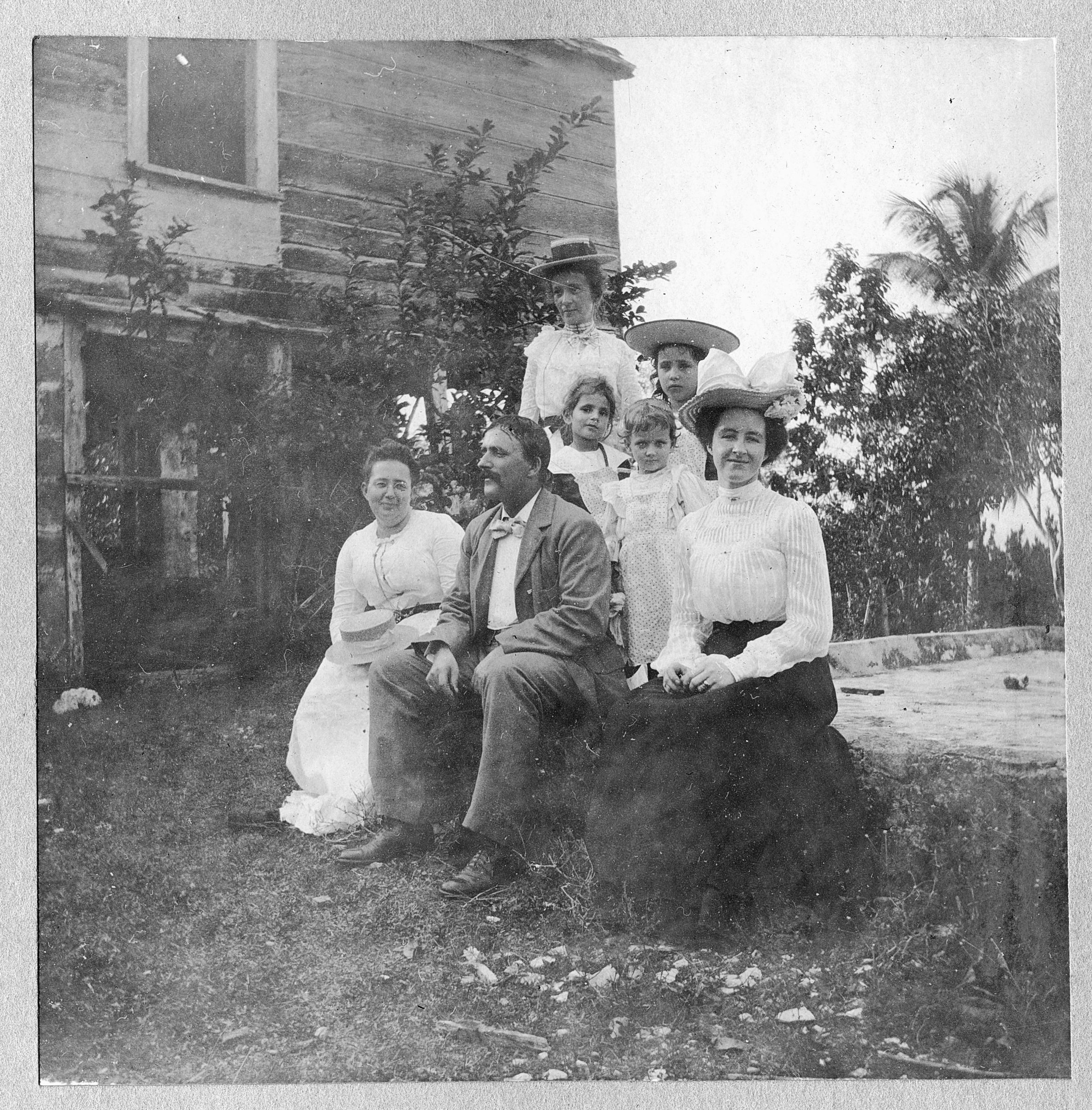
Independent CTT editorial. Not sponsored. Photo: Wikimedia Commons, public domain. Details such as schedules and prices change, please confirm with a CTT specialist before travelling.